
Close
The Benefits of Using Anti-Slip Floor Paint in Commercial Buildings
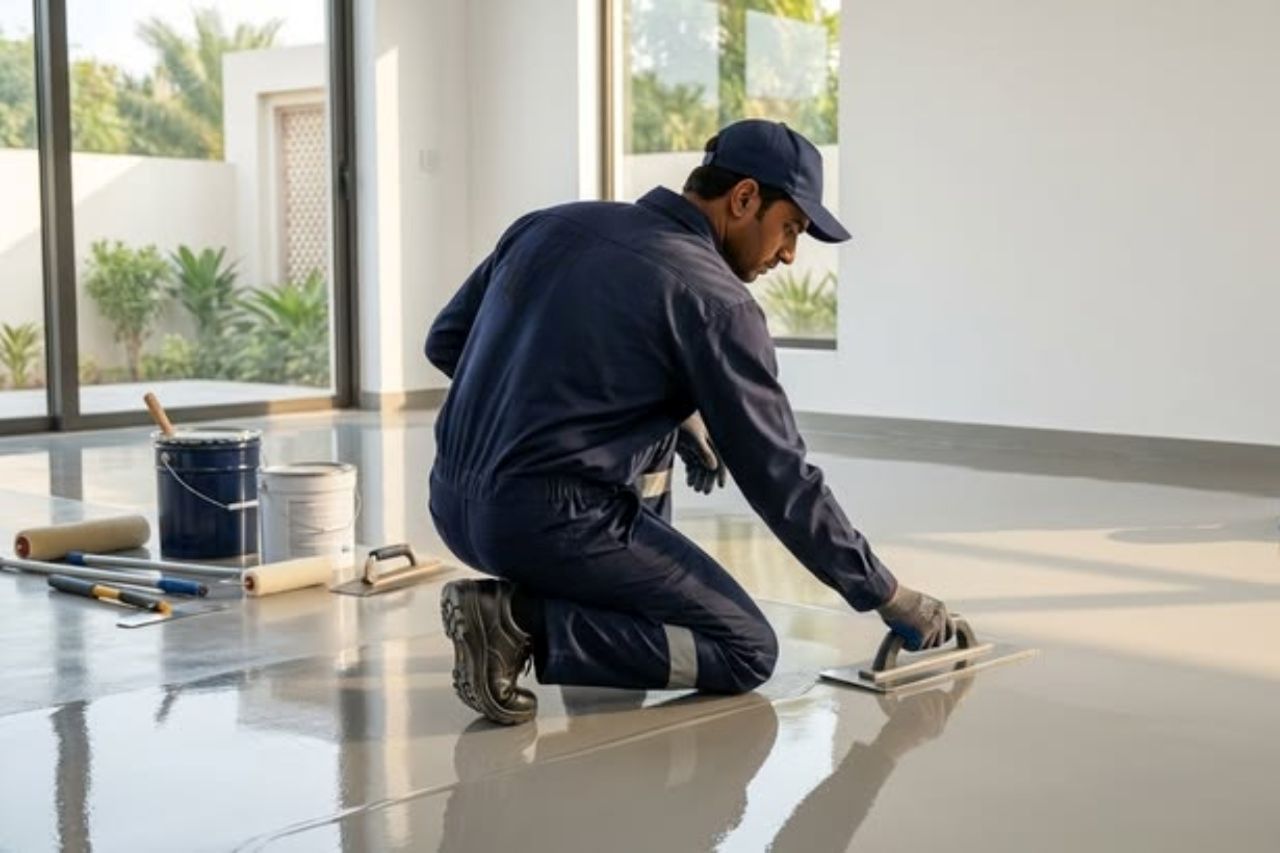
Floor safety is an important consideration in commercial buildings where employees, customers, and visitors move around daily. Slippery floors can increase the risk of falls, especially in areas exposed to water, oil, dust, or frequent cleaning. Using anti-slip floor paint is a practical way to improve surface traction while maintaining a clean and professional appearance.
Anti-slip floor paint creates a textured finish that helps improve grip under suitable conditions. It is commonly used in offices, warehouses, factories, retail spaces, and commercial kitchens. Understanding its benefits can help property owners and facility managers choose the right flooring solution.
1. Improves Floor Safety
One of the main benefits of anti-slip floor paint is its ability to improve traction on suitable surfaces. Its textured finish provides better grip than some smooth coatings, helping reduce the risk of slipping in busy commercial environments.
This is particularly useful in areas exposed to moisture or frequent foot traffic. Common applications include:
- Entrances and walkways: Helps improve traction where rainwater may be tracked indoors.
- Stairways and ramps: Provides a textured finish to support safer movement.
- Work areas: Improves traction to help prevent slips in high-traffic spaces.
- Service corridors: Improves traction for employees and maintenance teams.
However, anti-slip coatings cannot eliminate every slipping hazard. Their performance depends on the product, floor condition, footwear, and presence of contaminants.
2. Helps Reduce Workplace Accidents
Slips and falls can result in injuries, lost working time, and operational disruptions. Businesses may also incur extra expenses for medical treatment, insurance claims, and incident investigations.
Applying suitable anti-slip floor paint can support a broader workplace safety strategy. For example, warehouses may use it in pedestrian walkways, while commercial kitchens may require specialized coatings designed for wet conditions.
Businesses should clean spills quickly, place warning signs on wet floors, and maintain good housekeeping practices. Combining these measures with suitable floor coatings can help create a safer working environment.
3. Provides Durable Surface Protection
Commercial floors experience regular foot traffic, equipment movement, and routine cleaning. Depending on the formulation, anti-slip floor paint can create a protective layer that helps resist everyday wear, scuffing, and minor surface damage.
This is useful in buildings where maintaining floor condition is important for safety and appearance. Some products are designed for light pedestrian traffic, while others can withstand more demanding industrial conditions.
Before choosing a coating, consider the expected traffic level, floor material, and environmental exposure. Selecting a product suited to the intended application can help extend its service life and reduce the need for frequent repairs.
4. Supports Easier Cleaning and Maintenance
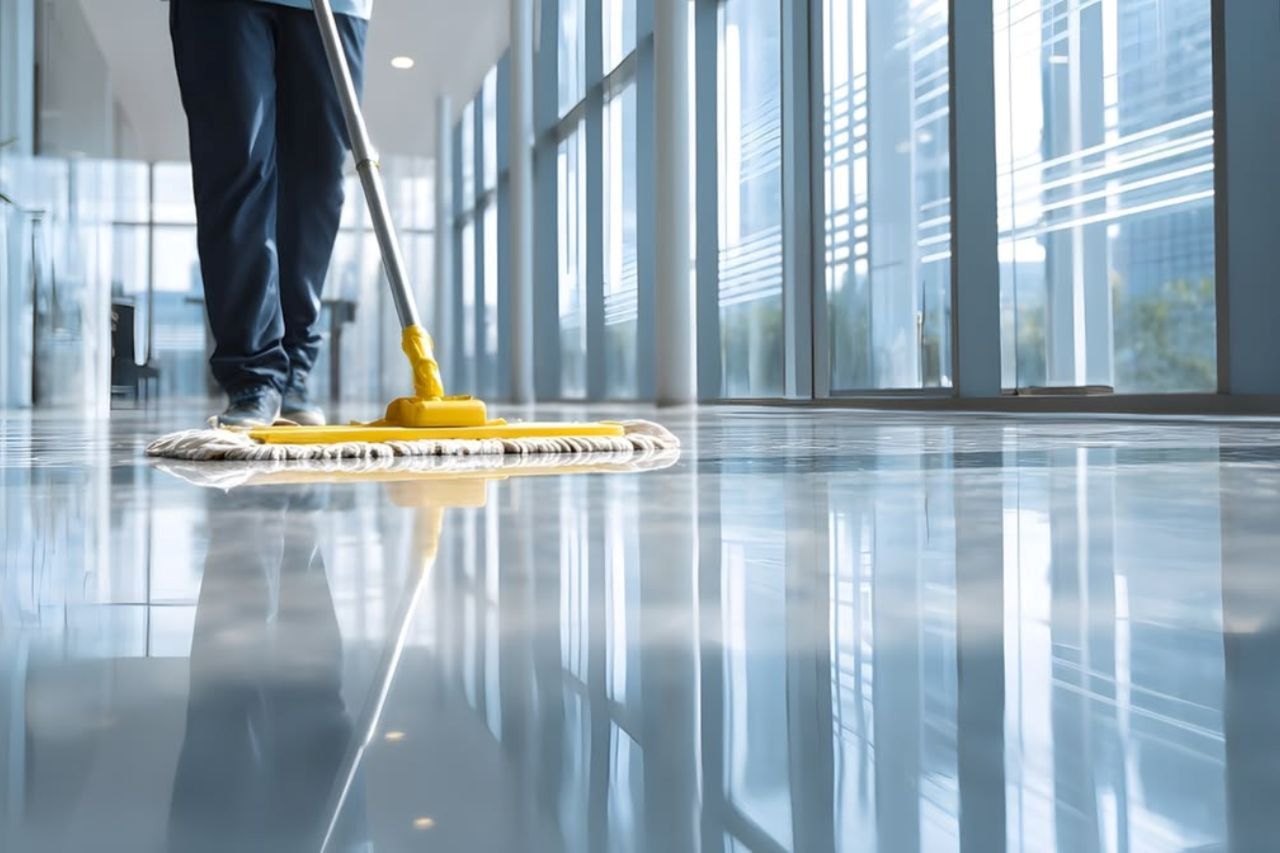
Commercial buildings need flooring that can be maintained efficiently. Anti-slip floor paint can support routine cleaning, although maintenance requirements depend on the coating’s texture and formulation.
To maintain the floor’s condition and performance, businesses should:
- Remove dust, dirt, and loose debris regularly.
- Clean spills promptly to prevent slippery conditions.
- Use cleaning products recommended by the manufacturer.
- Inspect high-traffic areas for worn or damaged sections.
- Repair or recoat surfaces when necessary.
Highly textured floors may require additional cleaning because dirt can collect within the surface. Choosing a suitable texture helps balance slip resistance with maintenance needs.
5. Suitable for Different Commercial Environments
Anti-slip floor paint is available in different formulations to suit various commercial applications.
- Warehouses and factories: Suitable coatings can improve traction in designated pedestrian routes and work areas where employees and equipment move frequently.
- Commercial kitchens: Water, grease, and food spills can make floors slippery. Specialized coatings and regular cleaning help improve traction and maintain safer working conditions.
- Retail stores and shopping centers: Anti-slip coatings can improve traction in entrances, service areas, and back corridors where floors may become wet.
- Offices and commercial buildings: Corridors, stairways, ramps, and utility rooms may be suitable for anti-slip coatings when the existing floor presents a slipping risk.
- Parking facilities and loading areas: Appropriate coatings can improve traction on selected pedestrian routes and compatible surfaces exposed to regular use.
Not every product is suitable for all environments. Businesses should check the manufacturer’s specifications before selecting a coating.
6. Enhances Floor Organization and Appearance
Anti-slip floor paint can contribute to a more organized and professional commercial environment. Many products are available in different colors, allowing businesses to match their flooring with interior designs or operational requirements.
In warehouses and factories, different colors can help distinguish pedestrian routes, storage zones, and work areas. In offices and customer-facing spaces, coordinated floor colors can create a neat and consistent appearance.
Color selection should support the purpose of each area. Contrasting colors may improve walkway visibility, while neutral shades may suit offices and retail interiors. Businesses should ensure that safety markings remain visible and meet applicable workplace requirements.
7. Provides a Practical Flooring Improvement Option
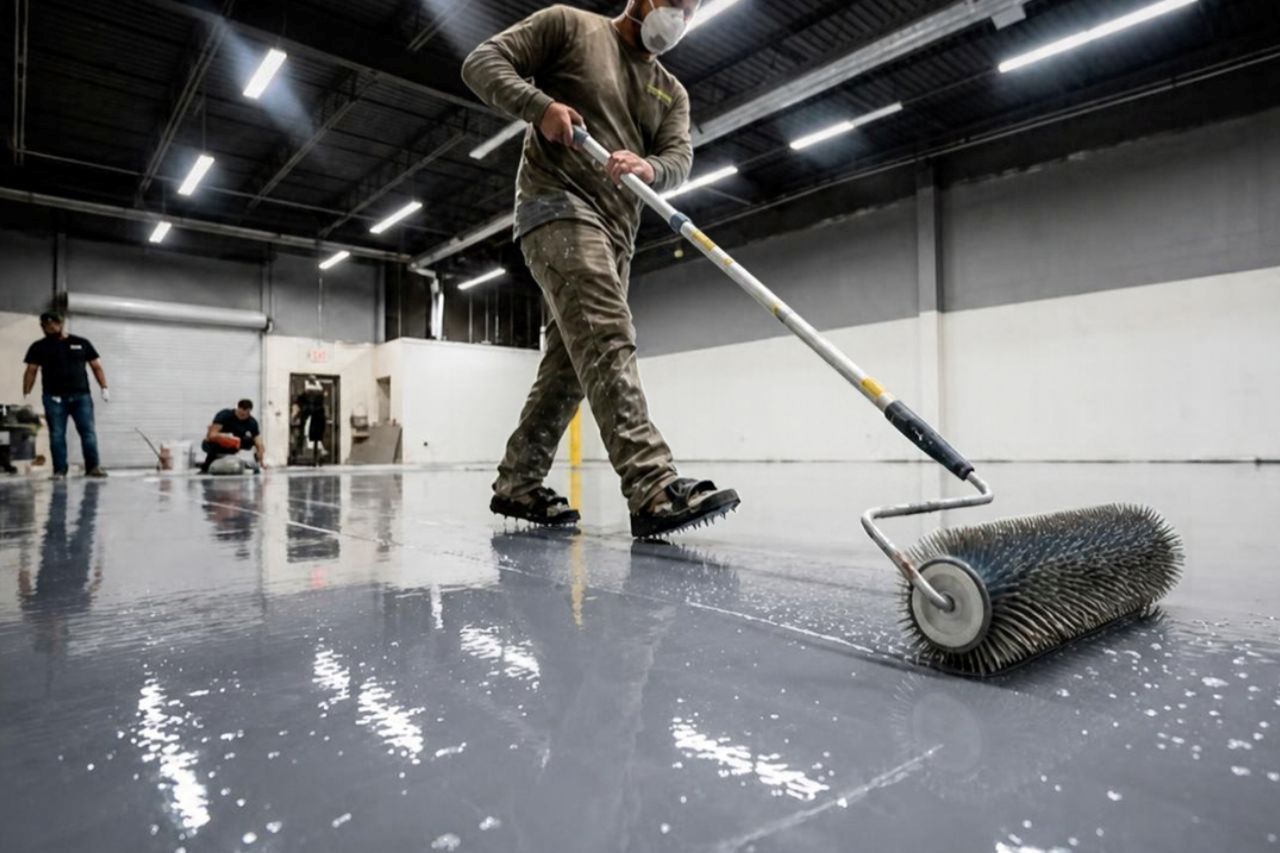
Replacing an entire floor can involve significant expenses, labor, and downtime. If the existing floor remains structurally sound, applying anti-slip floor paint may offer a practical way to improve traction without replacing the surface.
The process usually involves cleaning the floor, repairing surface damage, applying primer when necessary, and following the manufacturer's application guidelines.
Proper preparation is essential because grease, moisture, dust, and loose material can affect adhesion. Businesses should also consider drying and curing times when scheduling the work to minimize disruption.
Although applying a coating may cost less than replacing a floor in some cases, the total expense depends on the floor condition, preparation requirements, product type, and area size.
8. How to Choose the Right Anti-Slip Floor Paint
Selecting the right product is essential for achieving suitable slip resistance and long-term performance. Businesses should consider the floor's condition and how each area will be used before choosing a coating.
Consider these factors:
- Slip resistance: Choose a product suitable for the expected conditions.
- Floor material: Confirm compatibility with concrete, metal, or other substrates.
- Environmental exposure: Consider moisture, oils, chemicals, and cleaning methods.
- Traffic levels: Match the coating’s durability to pedestrian traffic and equipment use.
- Maintenance requirements: Choose a texture that provides suitable traction while allowing practical cleaning.
- Application requirements: Follow instructions for surface preparation, primer use, and curing time.
For demanding or high-risk environments, consult a qualified flooring professional to identify a suitable coating system.
Conclusion
Anti-slip floor paint offers several benefits for commercial buildings, including improved traction, support for workplace safety, surface protection, and practical maintenance. It can also help businesses organize work areas and maintain a professional appearance without replacing existing flooring.
Good results require the right coating, proper surface preparation, and regular floor maintenance after application. By combining anti-slip floor paint with proper cleaning and workplace safety procedures, businesses can create safer and more functional environments for employees, customers, and visitors.