
Close
The Advantages of Using Water-Based Epoxy Paint in Indoor Spaces
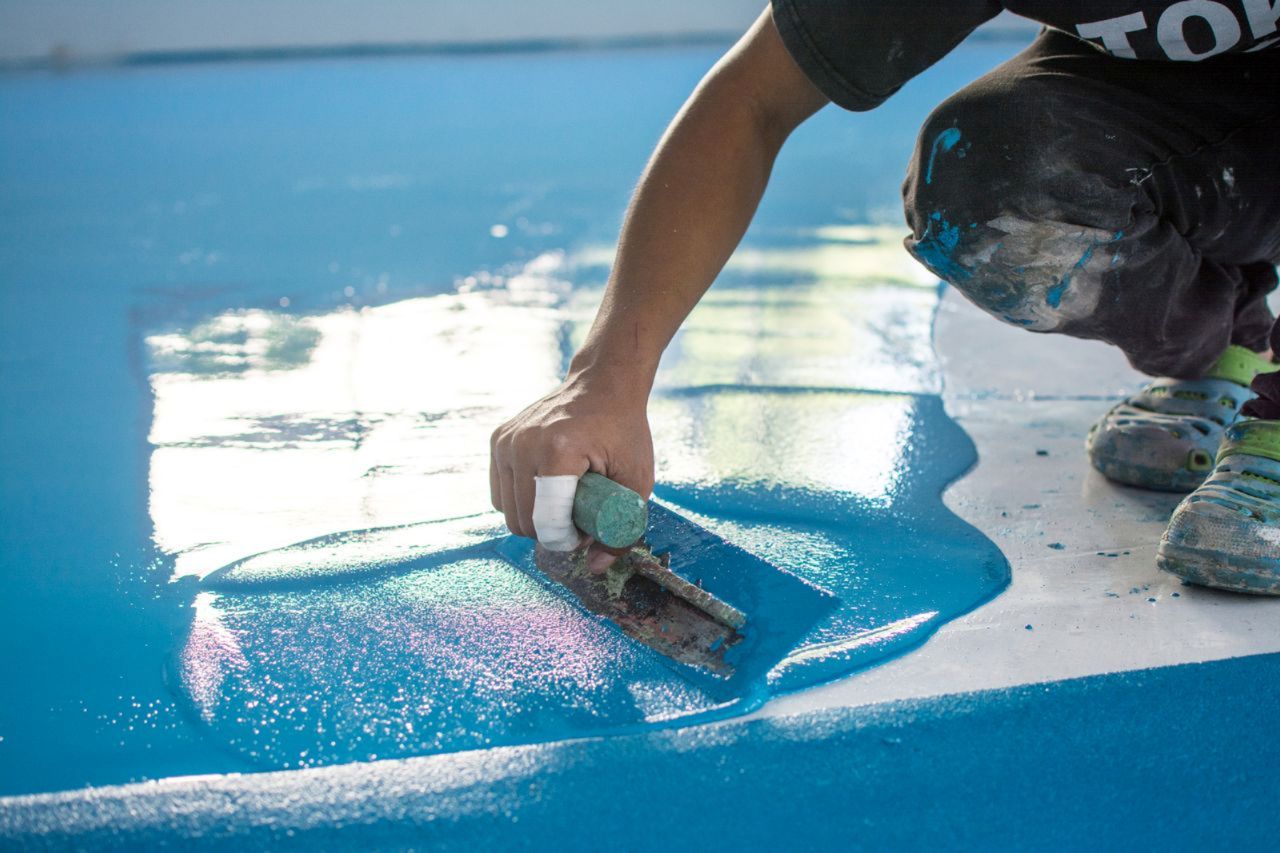
Water-based epoxy paint is a practical coating option for indoor spaces that require durability, easy maintenance, and an attractive finish. It combines the protective properties of epoxy with a water-based formula, making it suitable for various interior applications. From offices and commercial buildings to warehouses and residential utility areas, this coating can help protect surfaces while maintaining a clean and professional appearance.
Choosing the right paint is important for achieving long-lasting results. By understanding the advantages of water-based epoxy paint, property owners, facility managers, and contractors can determine whether it meets their indoor coating requirements.
1. Lower Odor During Application
One of the main advantages of water-based epoxy paint is its generally lower odor compared with many solvent-based coatings. This makes it a practical option for indoor projects where strong paint odors may cause discomfort.
Indoor environments such as offices, schools, retail stores, and commercial buildings often require careful planning to minimize disruption during maintenance work. Using a lower-odor coating can help make the application process more comfortable for workers and building occupants.
However, odor levels vary depending on the product formulation. Proper ventilation and compliance with the manufacturer’s safety instructions remain essential during application and curing. Water-based products should not automatically be considered odorless or completely free from harmful emissions.
2. Easy Cleaning and Maintenance
Indoor floors and surfaces are regularly exposed to dust, dirt, spills, and everyday wear. Water-based epoxy paint can create a smooth, protective finish that makes routine cleaning easier.
This advantage is particularly useful in spaces where cleanliness and appearance are important. When applied correctly, the coating can help prevent ordinary dirt from becoming difficult to remove, reducing the effort required for regular maintenance.
Water-based epoxy paint may be suitable for several indoor environments, including:
- Offices: Keeps floors neat, clean, and presentable.
- Warehouses: Supports routine cleaning in areas exposed to dust and light dirt.
- Retail spaces: Helps keep floors presentable for employees and customers.
- Utility rooms: Provide a practical surface for areas that require frequent cleaning.
- Workshops: Helps protect suitable surfaces from everyday dirt and wear.
Using cleaning products recommended by the manufacturer can help preserve the coating and maintain its appearance over time.
3. Durable Protection for Indoor Surfaces
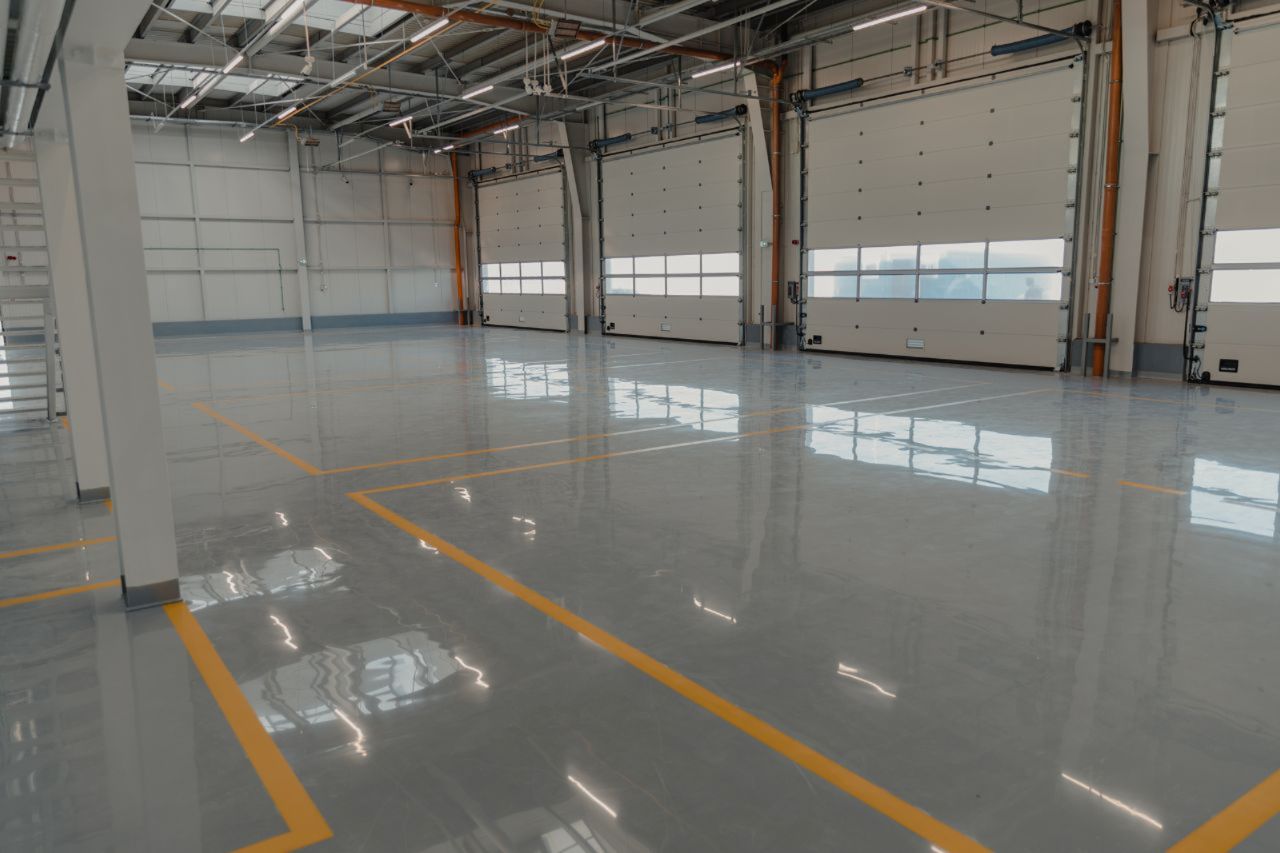
Durability is another important benefit of water-based epoxy paint. Depending on the formulation, it can provide resistance to abrasion, scuffing, and everyday wear, helping surfaces withstand regular use.
This makes it useful for indoor areas that experience frequent foot traffic or routine activities. When applied to a properly prepared surface, the coating can help protect the underlying material and maintain its appearance for longer.
Common applications include indoor concrete floors, workshops, storage areas, and selected commercial surfaces. However, the level of protection depends on the specific product and the conditions in which it is used.
For areas exposed to heavy machinery, harsh chemicals, or constant impact, property owners should select a coating specifically designed for those demands. Checking the product’s technical data sheet can help confirm whether it provides the required performance.
4. Convenient Cleanup After Application
Water-based epoxy paint can make cleanup more convenient because application tools may generally be cleaned with water before the coating dries, subject to the manufacturer’s instructions. This can reduce the need for certain solvent-based cleaning products during the application process.
For contractors and maintenance teams, easy cleanup helps streamline work and reduces the need for extra cleaning products. It also makes smaller indoor painting projects easier to manage.
However, once the coating has cured, water alone may not be sufficient to remove it. Following the recommended cleanup procedure is important for achieving a safe and efficient application process.
5. Suitable for Different Indoor Environments
Water-based epoxy paint is available in formulations designed for different surfaces and performance requirements. This flexibility allows property owners to choose products that suit the purpose of each indoor space.
For example, offices and retail areas may require a clean, professional finish that is easy to maintain. Workshops and storage areas may require coatings that handle frequent movement and minor mechanical wear. Residential utility areas may benefit from a protective finish that simplifies cleaning.
Before selecting a product, consider these factors:
- Surface type: Confirm whether the coating is suitable for concrete, metal, or another intended substrate.
- Traffic levels: Choose a product designed for the expected amount of foot traffic or equipment movement.
- Exposure conditions: Check for moisture, cleaning agents, and other substances that could affect the surface.
- Appearance: Review available colors and finishes to match the room’s purpose and design.
- Maintenance needs: Consider how frequently the surface will require cleaning and inspection.
Matching the coating to the environment helps improve performance and reduce the risk of premature deterioration.
6. Lower VOC Options for Indoor Projects
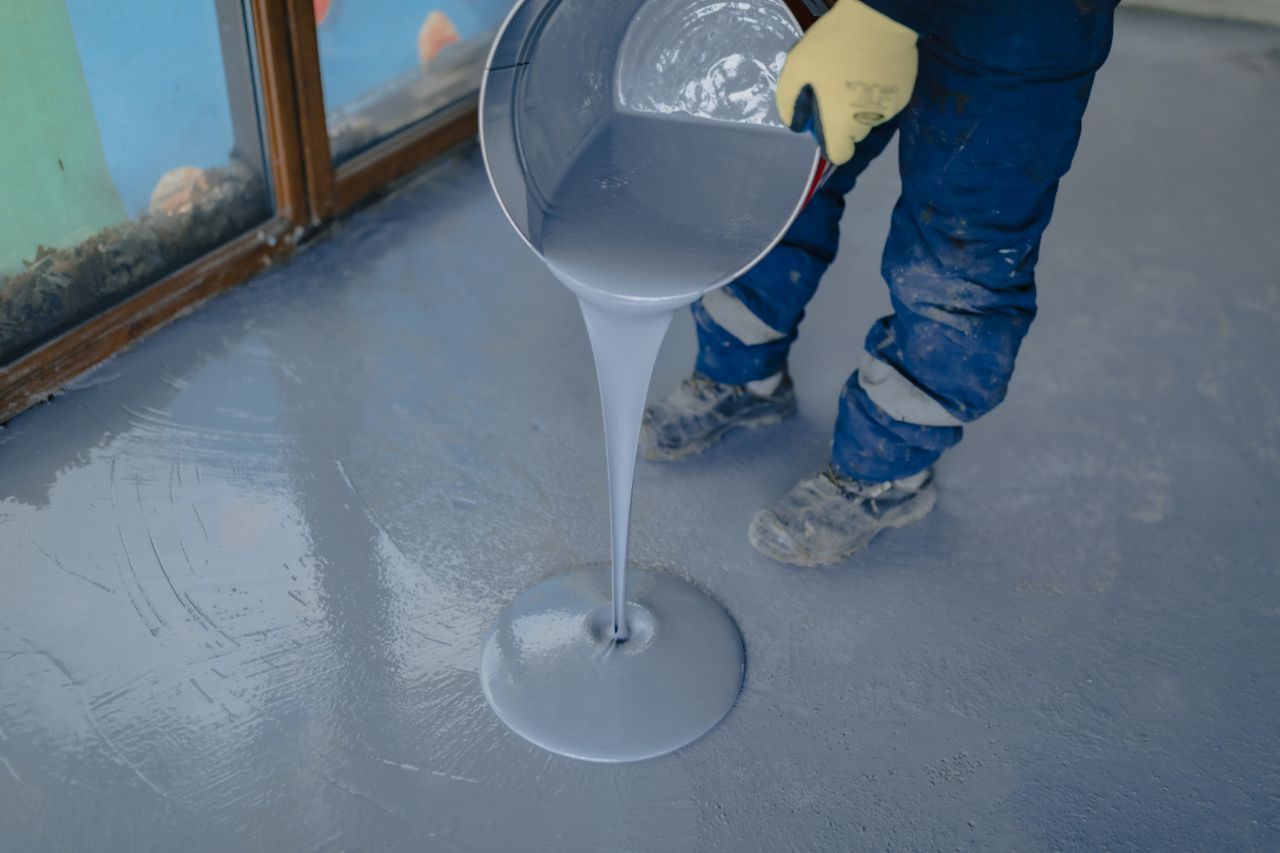
Many water-based epoxy coatings contain lower levels of volatile organic compounds (VOCs) than conventional solvent-based alternatives. VOCs are chemicals that can be released into the air during application and drying, making their levels an important consideration for indoor projects.
Choosing a suitable lower-VOC formulation may help support indoor air quality goals in offices, schools, commercial buildings, and other enclosed spaces. It can also be a practical consideration for projects where minimizing emissions is a priority.
Nevertheless, VOC levels vary between products, and water-based does not automatically mean VOC-free. Property owners should review product specifications and safety information before making a decision. Adequate ventilation during application and curing remains important, even when using lower-VOC coatings.
7. Important Factors Before Application
Although water-based epoxy paint offers several benefits, proper preparation and application are essential for achieving a durable finish. Applying paint to a dirty, damp, or unsuitable surface can result in poor adhesion, peeling, or uneven coverage.
Before starting a project, consider the following steps:
- Prepare the surface: Remove dust, grease, loose paint, and other contaminants before application.
- Check moisture levels: Ensure the substrate meets the product’s moisture requirements.
- Use the recommended primer: Confirm whether a primer is required to improve adhesion and coating performance.
- Follow mixing instructions: Prepare the product according to the manufacturer’s directions.
- Allow sufficient curing time: Avoid heavy traffic or cleaning until the coating has cured as specified.
- Confirm product compatibility: Ensure the coating is suitable for the existing surface and intended environment.
It is also important to distinguish between products designed for floors and those intended for walls or other surfaces. Not every water-based epoxy formulation is suitable for every indoor application.
Conclusion
Water-based epoxy paint offers several advantages for indoor spaces, including lower odor during application, easier cleaning, convenient maintenance, and protective performance. Its availability in different formulations makes it a practical option for many residential, commercial, and industrial environments.
However, good results depend on choosing a suitable product, preparing the surface correctly, and following the manufacturer's application instructions. By considering the room’s purpose, expected wear, air quality requirements, and maintenance needs, property owners can choose a suitable coating that supports long-term performance and a clean indoor appearance.