
Close
How to Maintain Epoxy Flooring for Long-Lasting Performance
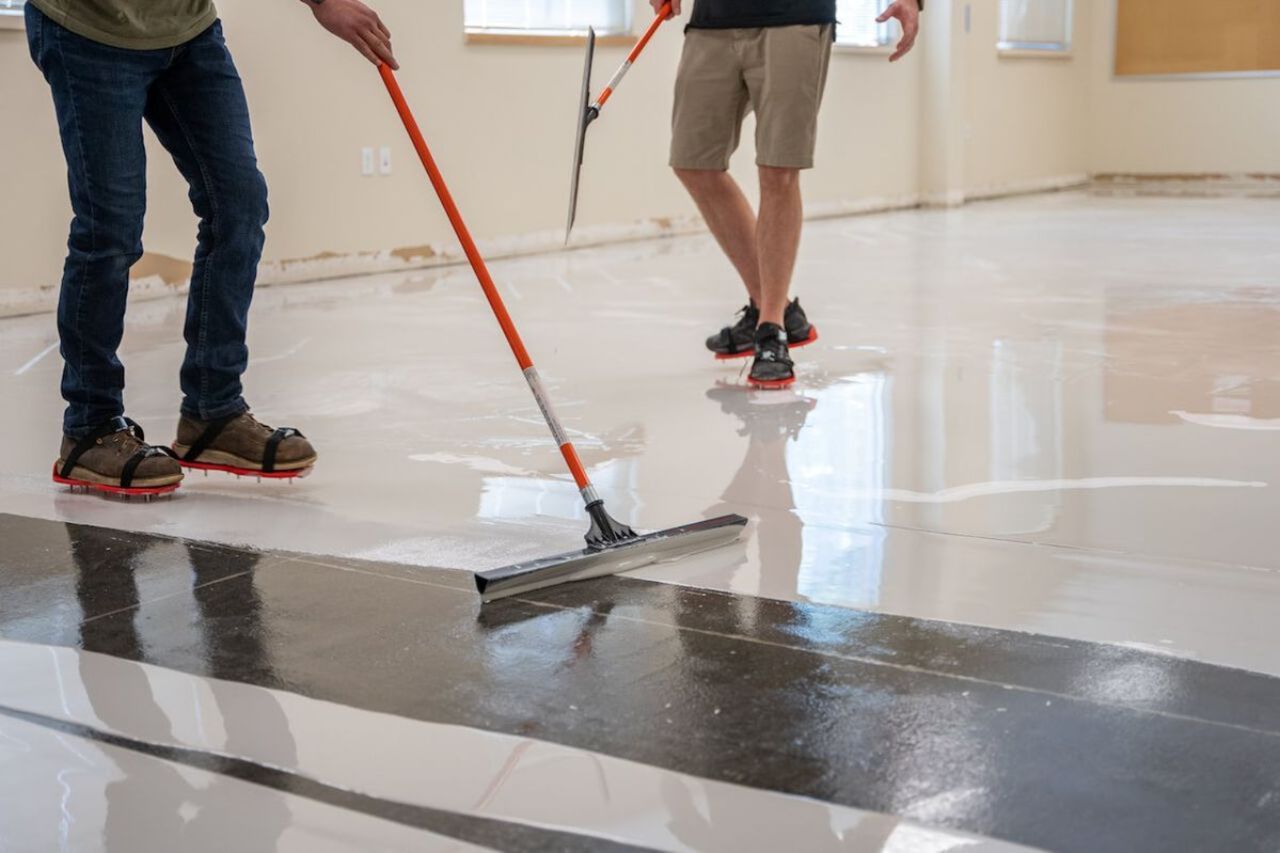
Epoxy flooring is known for its durability, smooth finish, and resistance to everyday wear. It is commonly used in homes, garages, warehouses, workshops, commercial spaces, and industrial facilities. However, regular maintenance is still important to keep the surface clean, attractive, and functional.
With the right cleaning routine and proper care, you can reduce surface damage, prevent dirt buildup, and extend the life of your flooring. Simple maintenance practices can also help reduce the need for frequent repairs or recoating.
1. Clean the Floor Regularly
Regular cleaning helps prevent dust, dirt, sand, and other particles from building up on the surface. These particles can become abrasive when people, vehicles, or equipment move across the floor.
For routine cleaning:
- Sweep or dust mop the floor regularly.
- Remove loose dirt as soon as possible.
- Use a soft-bristle broom or suitable vacuum.
- Increase cleaning frequency in high-traffic areas.
A consistent cleaning routine helps maintain both the appearance and performance of the floor.
2. Use Suitable Cleaning Products
The wrong cleaning products can affect the appearance or condition of an epoxy coating. Avoid harsh chemicals and abrasive cleaners unless they are specifically recommended for your flooring system.
When cleaning epoxy flooring:
- Use mild cleaning solutions.
- Follow the manufacturer’s cleaning recommendations.
- Avoid products that leave oily or slippery residues.
- Use clean water when rinsing the surface.
Choosing suitable cleaning products helps preserve the coating without unnecessary chemical exposure.
3. Remove Spills Quickly
Epoxy surfaces can resist many common spills, but liquids should still be cleaned promptly. Oil, grease, chemicals, food, and other substances can become more difficult to remove when left on the floor for an extended period.
Important steps include:
- Wipe up spills as soon as possible.
- Use an appropriate absorbent material for oils and chemicals.
- Clean the affected area with a suitable solution.
- Dry the surface after cleaning.
Quick spill removal is particularly important in garages, workshops, kitchens, and industrial environments.
4. Prevent Scratches and Damage
Epoxy is durable, but heavy equipment, sharp objects, and rough handling can still damage the surface. Preventing unnecessary impact can help maintain the coating for longer.
Consider these precautions:
- Do not drag heavy furniture or equipment across the floor.
- Use protective pads under heavy items.
- Use suitable wheels on movable equipment.
- Handle tools and machinery carefully.
These simple measures can reduce scratches, chips, and unnecessary surface wear.
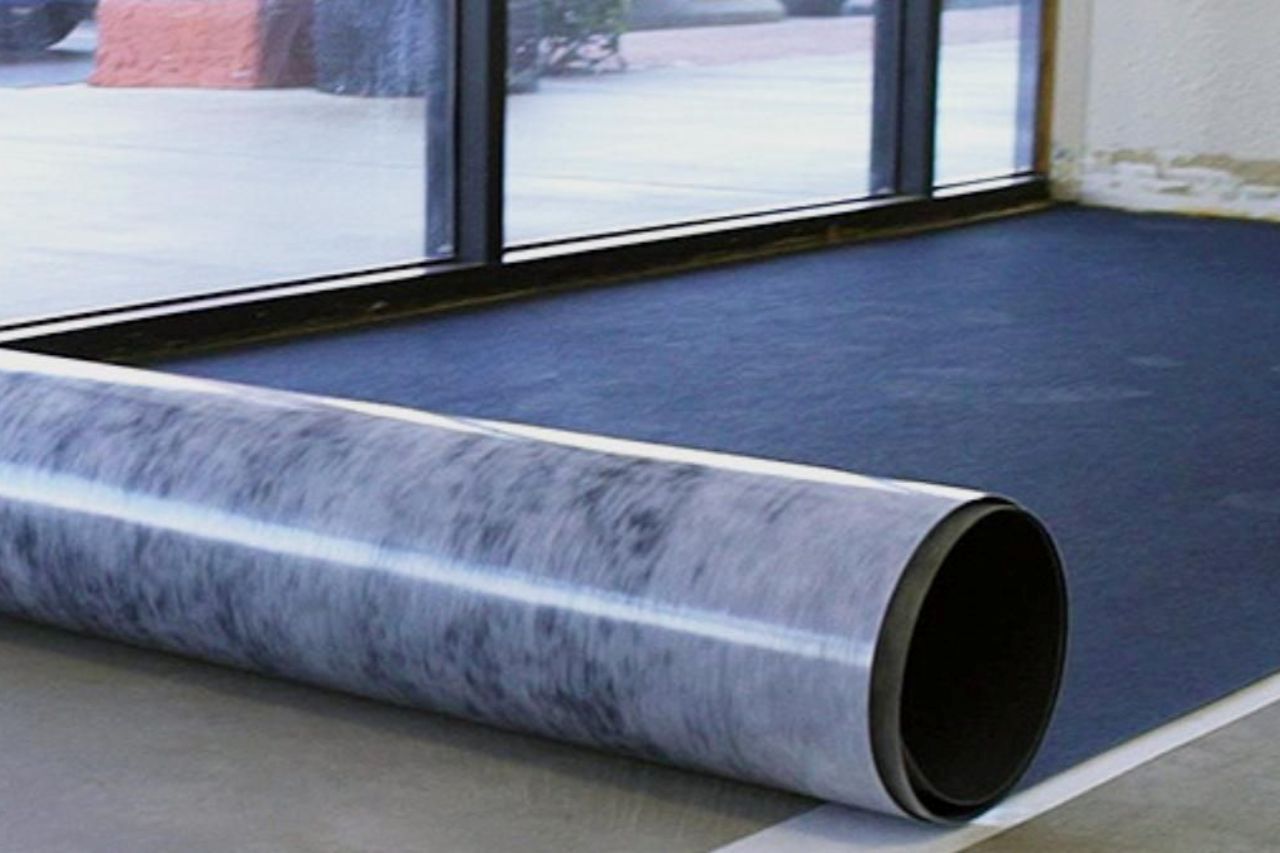
5. Use Mats in High-Traffic Areas
Mats can provide additional protection in areas where dirt, moisture, and debris are frequently brought onto the floor. Entrances and work areas can benefit from suitable floor mats.
Useful locations include:
- Building entrances
- Garage entrances
- Loading areas
- Workstations
- High-traffic walkways
Choose mats that will not leave adhesive, rubber, or other unwanted residues on the epoxy surface.
6. Avoid Excessive Water
Epoxy flooring can be cleaned with water, but flooding the surface is unnecessary. Excess water can create slippery conditions and may cause problems if it enters damaged areas.
For better cleaning:
- Use a damp mop rather than excessive water.
- Remove standing water quickly.
- Allow the surface to dry properly.
- Check that drainage areas remain clear.
Good ventilation and drainage are especially important in areas regularly exposed to moisture.
7. Inspect the Floor Regularly
Regular inspections can help you identify small problems before they become more serious. Check the surface for visible changes, particularly in areas exposed to heavy traffic or equipment.
Look for:
- Cracks
- Chips
- Peeling
- Scratches
- Discoloration
- Worn areas
Early detection allows you to address problems before they affect larger sections of the flooring.
8. Repair Damage Promptly
Small chips, cracks, and peeling areas should not be ignored. Regular foot traffic, equipment use, moisture, and chemical exposure can gradually worsen existing damage.
When damage appears:
- Identify the possible cause.
- Clean and prepare the affected area.
- Use a suitable repair method.
- Seek professional assistance for extensive damage.
Timely repairs can help prevent further deterioration and maintain the overall condition of the floor.
9. Protect the Floor From Heavy Impact
Repeated impact from heavy equipment can eventually damage an epoxy coating. This is particularly important in warehouses, workshops, factories, and other industrial environments.
To reduce impact damage:
- Avoid dropping heavy objects.
- Handle pallets and equipment carefully.
- Use appropriate lifting and handling equipment.
- Protect areas exposed to repeated impacts.
Good workplace practices can reduce unnecessary stress on the flooring surface.
10. Control Moisture and Humidity
Moisture can affect flooring performance, especially when it comes from the concrete underneath the coating. Excess moisture may contribute to problems such as bubbling, peeling, or poor adhesion.
To manage moisture:
- Repair leaks promptly.
- Keep the area properly ventilated.
- Address standing water quickly.
- Check for moisture problems before installing new coatings.
Moisture control is especially important in garages, basements, kitchens, and industrial areas.
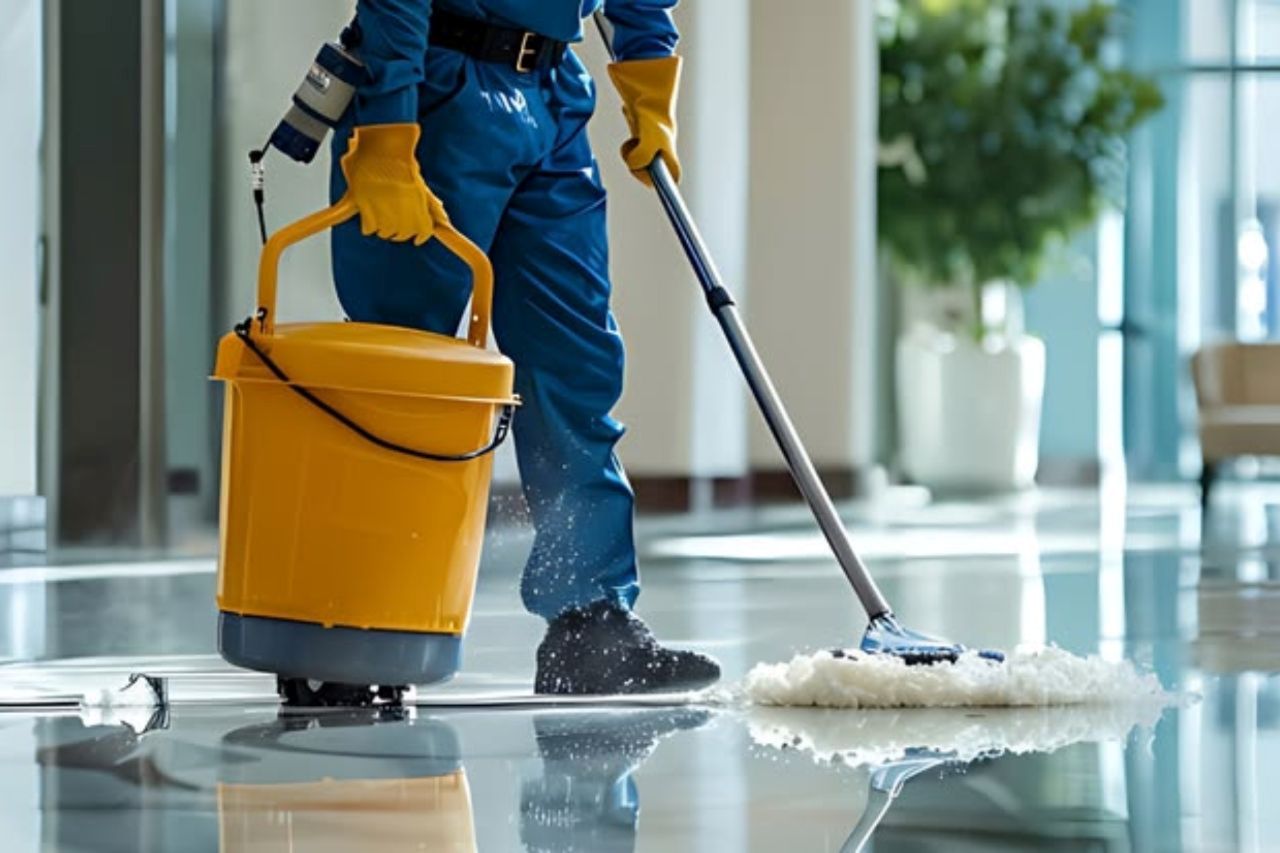
11. Avoid Abrasive Cleaning Tools
Abrasive tools can scratch the surface and affect the smooth appearance of epoxy flooring. Everyday maintenance usually does not require aggressive cleaning equipment.
Avoid:
- Steel wool
- Harsh scouring pads
- Highly abrasive brushes
- Aggressive cleaning methods
Instead, use soft brushes, microfiber mops, and non-abrasive cleaning materials where suitable.
12. Maintain a Consistent Cleaning Schedule
A regular maintenance schedule is better than waiting until the floor becomes heavily soiled. Cleaning frequency should depend on the amount of traffic and the type of activities performed in the area.
For example:
- Residential areas: Clean as needed based on use.
- Commercial spaces: Follow a regular weekly or daily routine.
- Warehouses: Sweep frequently and clean high-traffic areas regularly.
- Industrial facilities: Use a maintenance schedule based on traffic, chemicals, and equipment.
A consistent routine makes maintenance easier and helps prevent long-term buildup.
13. Recoat When Necessary
Even a well-maintained epoxy surface can eventually show signs of wear. High-traffic areas may lose some of their original appearance or protective properties over time.
Consider professional recoating when:
- The surface looks significantly worn.
- Scratches or surface damage are widespread.
- The coating has lost its desired finish.
- Regular maintenance is no longer sufficient.
Proper surface preparation is important before applying a new coating to ensure good adhesion and performance.
14. Follow the Manufacturer’s Recommendations
Different epoxy flooring systems may have different cleaning and maintenance requirements. Residential garages, commercial kitchens, warehouses, and factories can have very different flooring conditions and maintenance needs.
Consider:
- Traffic levels
- Chemical exposure
- Moisture
- Temperature
- Equipment movement
- Cleaning frequency
Following the manufacturer’s recommendations helps ensure that your cleaning products and maintenance methods are suitable for the specific flooring system.
Conclusion
Maintaining epoxy flooring is relatively simple when you follow a consistent routine. Regular cleaning, quick spill removal, proper inspections, and careful handling can help preserve the surface and extend its service life.
Avoid harsh cleaning products, excessive water, heavy impacts, and delayed repairs. With proper care and timely professional maintenance when required, epoxy flooring can remain durable, clean, and attractive for many years.