
Close
How to Choose the Best Easy-Clean Wall Paint for Your Home
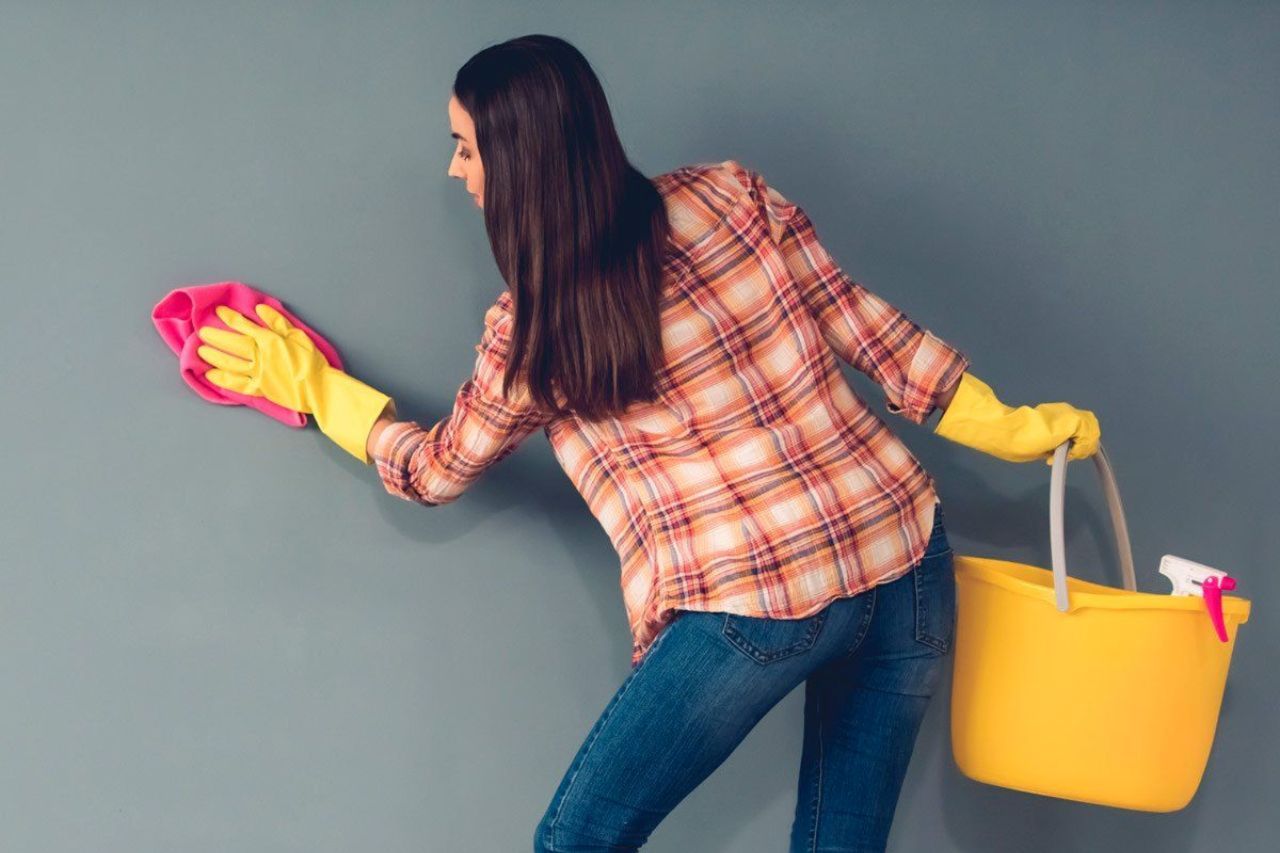
Keeping walls clean can be challenging, especially in busy households where dust, fingerprints, food splashes, and everyday marks are unavoidable. Choosing the right easy-clean wall paint can make regular maintenance simpler while helping your walls stay fresh for longer.
However, not every wall paint offers the same level of durability or cleanability. The best option depends on the room, wall surface, level of traffic, and type of stains you are likely to encounter. Understanding these factors can help you select a paint that combines practical performance with the appearance you want for your home.
What Is Easy Clean Wall Paint?
Easy clean wall paint is designed to make it easier to remove common marks and stains from painted surfaces without repeatedly repainting the wall. These paints typically have a more durable finish that can withstand gentle cleaning.
They can be particularly useful in areas where walls are exposed to frequent contact or dirt, such as:
- Kitchens
- Dining areas
- Hallways
- Living rooms
- Children's rooms
- Entryways
- Staircases
While easy-clean paint can make maintenance more convenient, it is still important to follow the manufacturer's cleaning instructions to avoid damaging the finish.
Consider the Room Before Choosing Paint
Choose paint based on the room’s needs, as kitchens, hallways, and children’s rooms face different levels of moisture, stains, fingerprints, and everyday marks. A practical paint should suit the room’s practical needs, not just its appearance.
Consider these factors:
- How frequently the wall is touched
- Whether the room is exposed to moisture
- The types of stains likely to occur
- How often you expect to clean the surface
- Whether the wall receives direct sunlight
Look for a Washable Finish
Easy-clean wall paint should offer good washability, particularly in areas that require frequent cleaning and maintenance. Check the product specifications rather than relying on the “washable” label alone.
- Cleaning ability: Check whether it supports wiping or frequent cleaning.
- Durability: Look for resistance to gentle scrubbing.
- Instructions: Follow the manufacturer’s recommended cleaning methods.
Choose the Right Paint Finish
The paint finish affects both appearance and ease of maintenance. Eggshell and satin finishes offer a practical balance of cleanability and low sheen, while semi-gloss is suitable for areas that need frequent cleaning but may highlight wall imperfections.
When choosing a finish, consider:
- Desired level of shine
- Frequency of cleaning
- Condition of the wall
- Amount of natural light
- Overall interior style
Check Stain Resistance
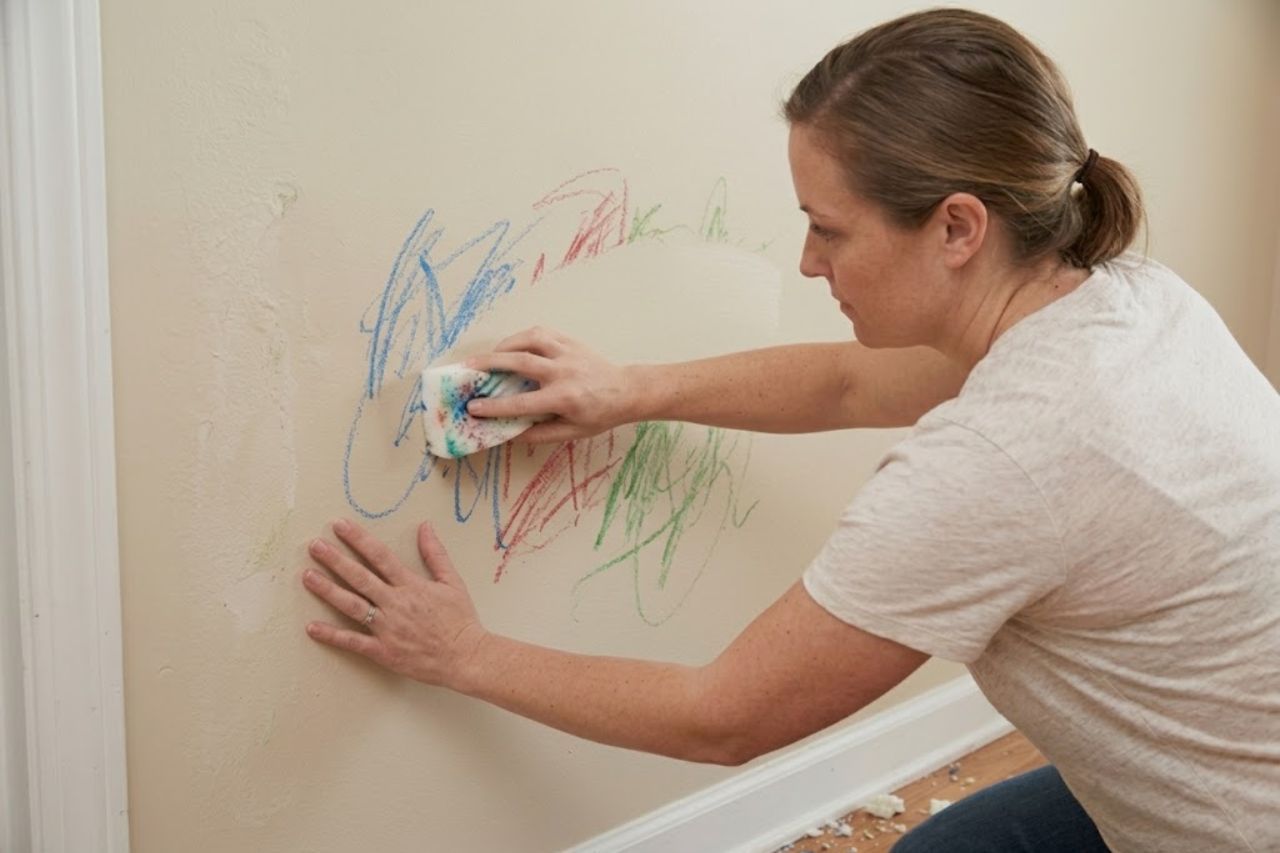
Stain resistance can make easy-clean wall paint more practical by helping common marks and spills come off more easily. It is especially useful in homes with children or pets.
- Everyday marks: Helps with fingerprints, food splashes, and minor stains.
- Busy households: Useful for walls exposed to frequent contact.
- Quick cleaning: Remove spills promptly to prevent stains from becoming harder to clean.
Consider Durability
Choose a durable paint that suits the conditions of each room. High-traffic areas such as hallways, stairways, and entrances benefit from coatings that can withstand regular contact and cleaning.
- High-traffic areas: Choose durable, easy-to-clean finishes.
- Low-traffic rooms: You can consider a wider range of finishes.
- Long-term benefit: Durable paint helps reduce the need for frequent touch-ups while keeping walls looking fresh.
Think About the Wall Surface
The condition of the wall can affect the final result. Easy-clean paint will not automatically hide cracks, dents, stains, or uneven surfaces.
Before painting, inspect the wall carefully and address existing problems. This may involve:
- Filling cracks and holes
- Sanding rough areas
- Removing loose paint
- Cleaning dirt and grease
- Applying an appropriate primer
A properly prepared surface helps the paint adhere correctly and provides a smoother, more consistent finish.
Use Primer When Necessary
Primer can play an important role in preparing walls for a new coat of paint. It can improve adhesion, help create a more uniform surface, and provide better coverage in certain situations.
Primer may be particularly useful when painting over:
- Dark or strong existing colors
- Stained surfaces
- New drywall
- Porous surfaces
- Repaired areas
- Previously painted surfaces with adhesion problems
Always check whether the selected paint requires or recommends a specific primer.
Choose a Color That Supports Maintenance
Color affects both the look of a room and how visible dirt and marks are. Bright white can make spaces feel clean and open but may show fingerprints and dust more easily, while mid-tone neutrals can offer a practical balance between style and maintenance.
Popular choices for easy-maintenance interiors include:
- Warm white
- Light beige
- Greige
- Soft gray
- Muted green
- Pale blue
Choose a color that complements your furniture and interior style while meeting the room’s practical needs.
Consider Moisture-Prone Areas
Bathrooms, kitchens, and laundry rooms need paint that can handle higher humidity and moisture. Choose products designed for these conditions and ensure proper ventilation.
- Moisture-resistant paint: Helps reduce peeling and staining.
- Proper ventilation: Helps control humidity and protect painted surfaces.
- Persistent dampness: Fix the underlying moisture problem before repainting.
Compare Coverage and Application
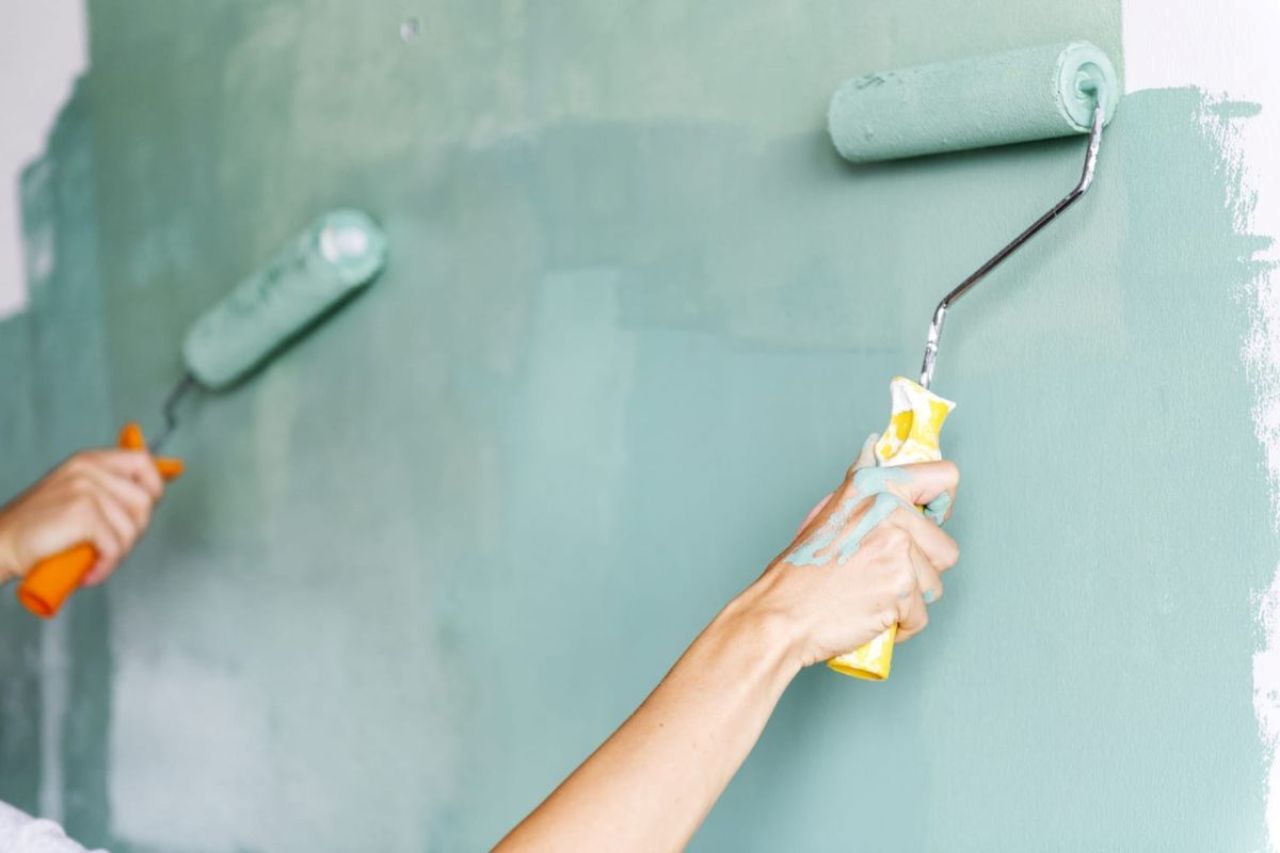
Check the paint’s coverage to estimate how much you need and compare overall costs. Also check the application requirements, as some paints may require special preparation or several coats to achieve the desired finish.
Before purchasing, check:
- Recommended coverage
- Number of coats
- Drying time
- Recoat time
- Suitable surfaces
- Application method
Following the product instructions can help achieve better and more consistent results.
Think About Cleaning Requirements
Even easy-clean wall paint needs proper care to maintain its finish. Use gentle cleaning methods and follow the manufacturer’s instructions.
- Use: A soft cloth or sponge with a mild cleaning solution.
- Avoid: Harsh chemicals, abrasive sponges, and aggressive scrubbing.
- Tip: Test your cleaning method on a small, hidden area first.
Balance Quality and Budget
Price matters, but the cheapest paint may not offer the best long-term value. Compare durability, coverage, cleaning performance, and the number of coats required.
- Compare performance: Look beyond the price per can.
- Consider coverage: Fewer coats may reduce overall costs.
- Think long term: Durable paint may require fewer touch-ups over time.
Ask a Paint Supplier for Advice
If you are unsure which product is suitable, speaking with an experienced paint supplier in Malaysia can help you compare available options. A supplier may provide information about finishes, colors, coverage, application requirements, and products designed for specific rooms.
Bring details about your wall surface and intended room so you can receive more relevant recommendations. If possible, share details about the existing paint, moisture levels, and expected cleaning needs.
Conclusion
Choosing the best easy-clean wall paint involves more than selecting a color you like. Consider the room, wall condition, finish, washability, stain resistance, durability, moisture exposure, and maintenance requirements before making your decision.
A suitable paint can make everyday cleaning easier while helping your walls maintain a neat appearance. Proper surface preparation, the right finish, and correct cleaning methods can help keep your walls attractive and practical for everyday use.