
Close
How to Choose Living Room Paint Colours Against House Type and Personality
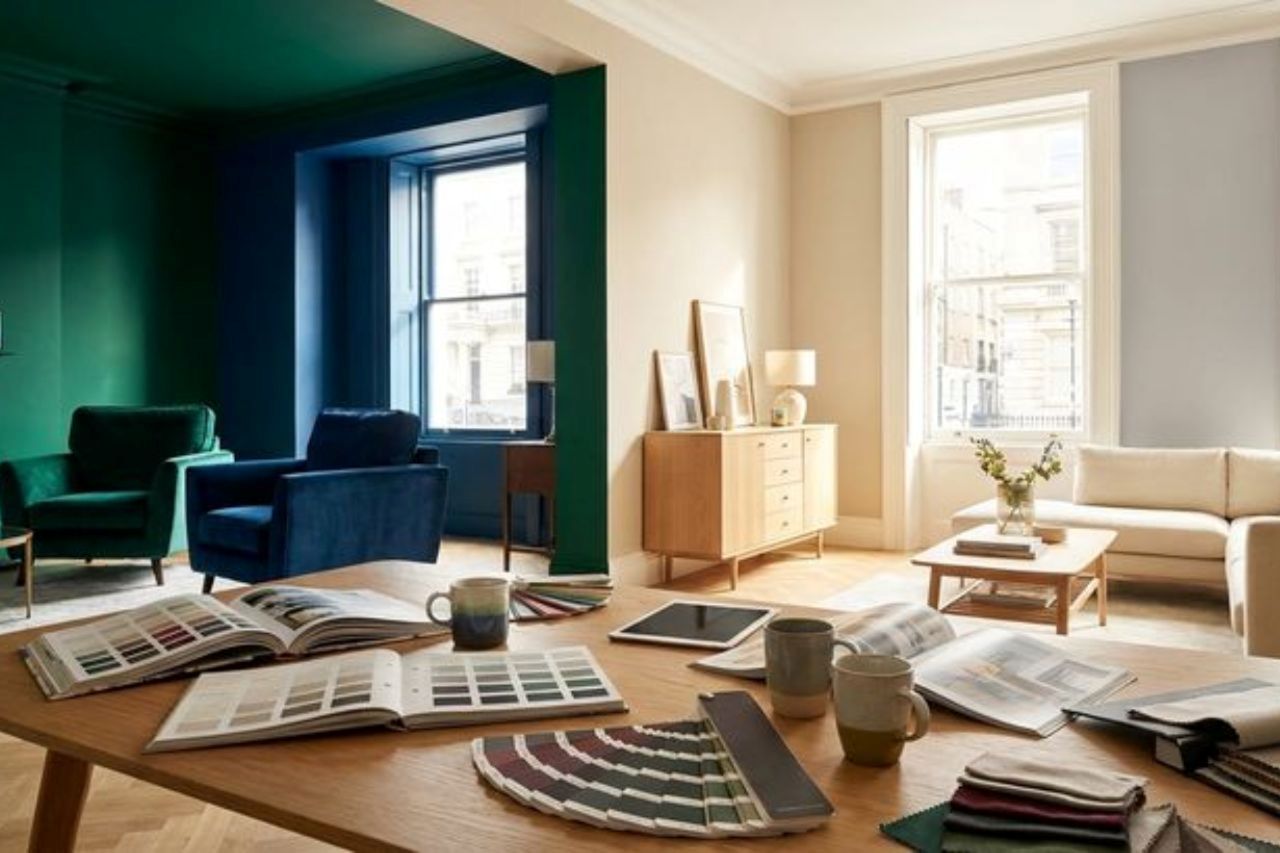
Choosing the right living room paint colours can change the look and atmosphere of your home. Since the living room is often a central space for relaxing and entertaining, its color should suit the house design while reflecting your personal style.
The right choice depends on more than current trends. Consider your house type, room size, natural light, furniture, preferred mood, and maintenance needs before selecting a color. These factors can help you create a living room that feels comfortable, balanced, and personal.
Consider Your House Type
Your home's architectural style can help guide your color selection. A modern apartment may suit a different palette from a traditional terrace house or a spacious landed home.
Consider the flooring, doors, windows, furniture, and existing finishes when choosing a color.
- Modern homes: White, gray, neutral, and muted tones.
- Traditional homes: Cream, beige, warm neutrals, and earthy shades.
- Contemporary homes: Neutral walls with stronger accent colors.
- Minimalist homes: Soft white, beige, light gray, and subtle tones.
- Industrial homes: Charcoal, gray, brown, and earthy colors.
Choose a shade that complements the existing design rather than competing with it.
Match Your Personality
Your personality can influence the colors you feel most comfortable using. Think about the atmosphere you want to create and how you want the living room to feel.
Consider these options:
- Calm: Soft blue, green, beige, or warm neutrals.
- Energetic: Brighter shades or warm accent colors.
- Elegant: Deep neutrals and muted earthy tones.
- Creative: Rich or contrasting colors.
- Simple: White, cream, light gray, or beige.
You can also use your favorite color as an accent rather than covering every wall.
Consider Room Size
Room size can affect how a paint color appears. Light shades generally make smaller rooms feel more open, while darker colors can create a warmer and more intimate atmosphere.
For smaller living rooms, consider:
- Soft white
- Light gray
- Cream
- Light beige
- Pale pastel shades
Larger rooms offer more flexibility for deeper colors and stronger contrasts. However, also consider ceiling height, furniture, layout, and lighting before choosing a darker shade.
Check Natural Lighting
Natural light can change how living room paint colours appear throughout the day. A color may look different in the morning, afternoon, and evening depending on the amount and direction of sunlight.
Rooms with plenty of natural light can usually handle a wider range of shades. For rooms with limited sunlight, lighter or warmer colors may help create a brighter appearance.
Before deciding:
- Test samples on the wall.
- Check the color at different times of day.
- View it under artificial lighting.
- Compare it with your furniture and flooring.
Match Your Furniture
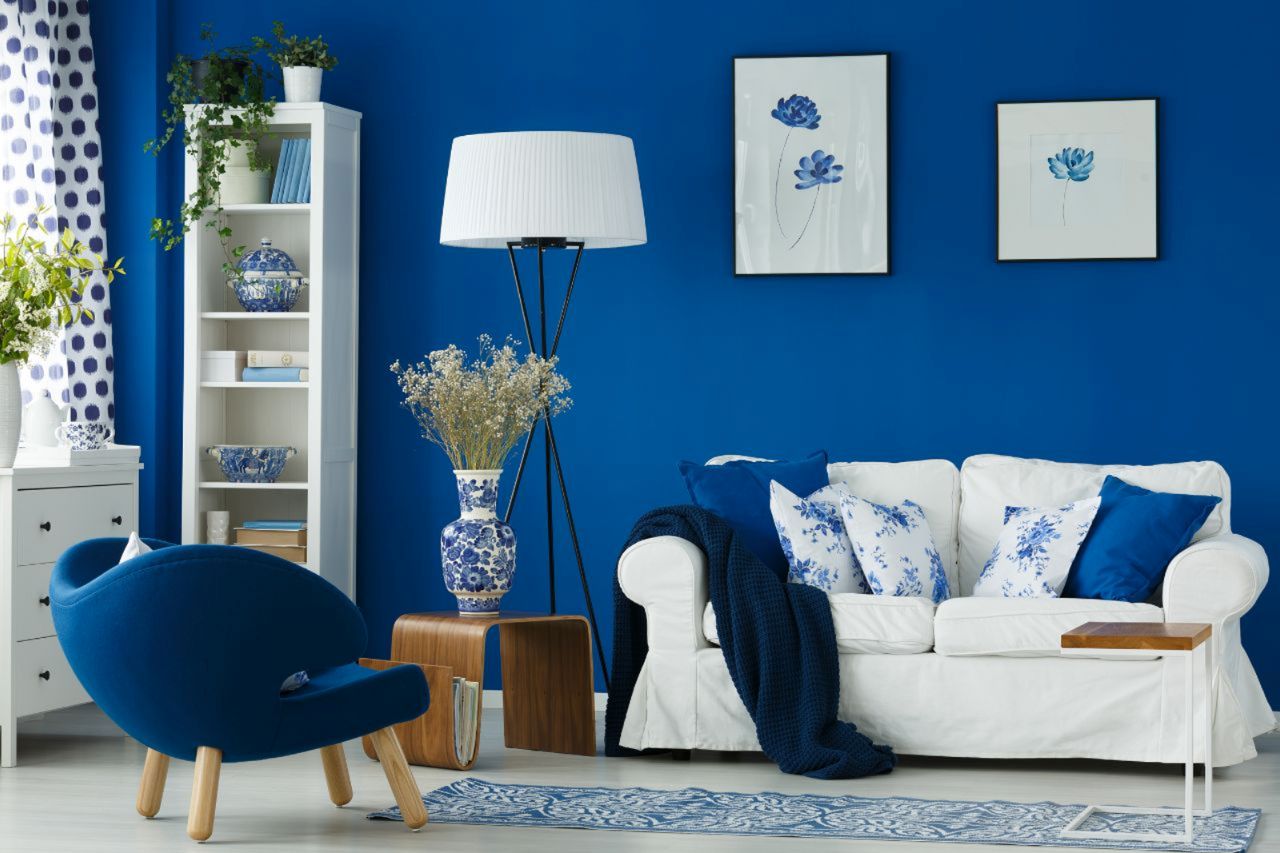
Wall colors should work with your furniture rather than clash with it. Look at your sofa, curtains, rugs, cabinets, flooring, and decorative pieces before making a choice.
If your furniture has strong colors or patterns, neutral walls can create balance. If the furniture is mostly neutral, you can introduce more color through the walls.
For example, warm beige can complement wooden furniture, while soft gray can suit black, white, and modern furniture.
Choose a Color Based on Mood
Color can influence the overall atmosphere of a room. While everyone responds differently to color, certain shades are commonly associated with particular moods.
- Blue: Calm and relaxing.
- Green: Fresh and natural.
- Beige: Warm and versatile.
- White: Clean and bright.
- Gray: Modern and understated.
- Yellow: Warm and energetic.
- Terracotta: Earthy and welcoming.
Think about the atmosphere you want before choosing a specific shade.
Create an Accent Wall
An accent wall can add personality without requiring every wall to have a strong color. It can also draw attention to an important feature in the room.
Consider placing an accent wall behind:
- A sofa
- Television
- Fireplace
- Feature cabinet
- Artwork
Choose an accent shade that complements the main wall color and other elements in the room.
Understand Warm and Cool Tones
Warm colors include beige, cream, yellow, terracotta, and warm brown. Cool colors commonly include blue, green, and blue-based gray.
Warm tones can create a welcoming atmosphere, while cool tones can provide a fresh and relaxing appearance.
When choosing between them, check the undertones of your:
- Flooring
- Furniture
- Curtains
- Doors
- Decorative elements
Keeping these tones coordinated can make the room feel more balanced.
Consider Ceiling and Trim Colors
The ceiling and trim can also affect the overall color scheme. A white ceiling can create contrast and reflect light, while a similar wall and ceiling color can produce a more seamless appearance.
For trims, white and off-white are common choices, but matching or contrasting shades can also create a distinctive look.
Consider these elements together instead of choosing the wall color separately.

Think About Maintenance
A living room can experience dust, fingerprints, stains, and regular contact. The right paint should provide an attractive finish while remaining practical for daily use. When comparing paint products, consider:
- Washability
- Stain resistance
- Durability
- Coverage
- Cleaning requirements
- Suitable finish
Easy-clean paint can be particularly useful for busy households, children, and homes with pets.
Choose the Right Finish
Paint finish affects both appearance and maintenance. Matte finishes provide a soft, understated look, while eggshell and satin finishes offer a practical balance between appearance and cleanability.
Semi-gloss finishes are easier to clean but can highlight wall imperfections because they reflect more light.
Choose a finish based on your wall condition, desired appearance, and cleaning needs.
Test Before Painting
A color on a small sample card may look different when applied across an entire wall. Testing your preferred shade before buying large quantities can help you make a more confident choice.
Check the sample under:
- Morning light
- Afternoon sunlight
- Evening lighting
- Artificial light
- Different areas of the room
Also compare it with your furniture, flooring, curtains, and other major features.
Prepare the Walls Properly
Even the best living room paint will not look their best on a poorly prepared surface. Clean the walls, remove loose paint, repair cracks, and smooth uneven areas before painting.
Preparation can help improve paint adhesion and create a more consistent finish.
Before painting:
- Clean dust and dirt from the walls.
- Repair cracks and holes.
- Remove peeling paint.
- Sand rough areas where necessary.
- Apply primer when required.
Good preparation can also help reduce the need for touch-ups later.
Conclusion
Choosing living room paint colours involves considering your house type, personality, room size, lighting, furniture, and maintenance needs. Light neutrals can create an open and versatile look, while deeper or warmer shades can add character and comfort.
Test your chosen color before committing and consider how it changes throughout the day. With suitable preparation, color, and finish, you can create a living room that complements your home and reflects your personal style.