
Close
Choosing the Right Roof Paint for Metal and Concrete Roofs
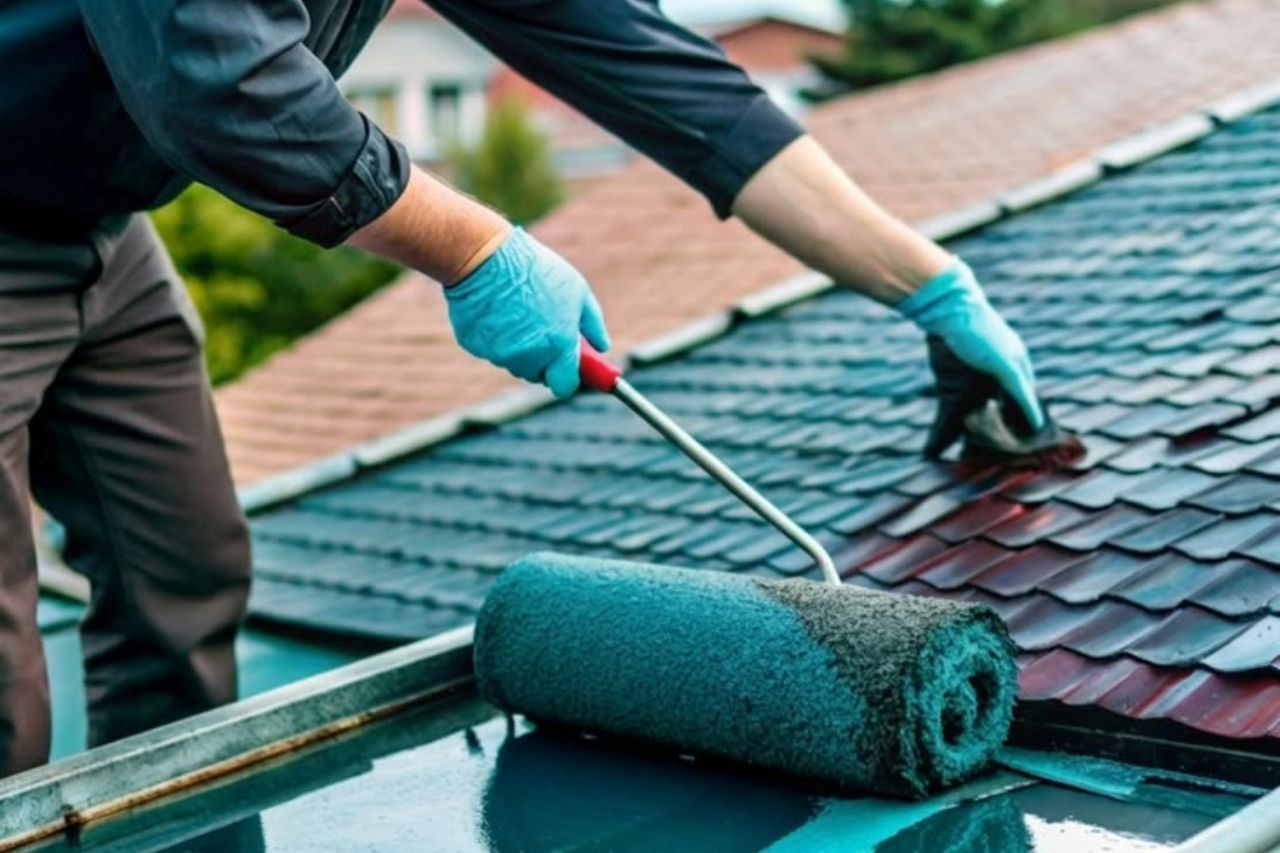
Choosing the right roof paint is essential for protecting a building from weather exposure, improving its appearance, and extending the roof’s service life. Roofs are constantly exposed to sunlight, rain, humidity, and temperature changes, which can gradually damage their surfaces. A suitable coating helps protect the roofing material while maintaining its condition.
However, metal and concrete roofs have different characteristics and require coatings suited to their specific needs. Understanding these differences helps homeowners, property managers, and contractors choose the right roof paint for long-term performance.
1. Understand the Difference Between Metal and Concrete Roofs
Before selecting roof paint, consider the roofing material. Metal roofs are commonly made from steel or aluminum. Although durable and lightweight, they may be affected by corrosion, heat, and temperature-related expansion.
Concrete roofs are heavier and have porous surfaces that can absorb moisture. Prolonged exposure to rain and changing weather conditions may contribute to surface deterioration, cracking, or water penetration.
These differences influence the type of coating required.
- Metal roofs: Need coatings with strong adhesion, weather resistance, and suitable corrosion protection.
- Concrete roofs: Require coatings designed for masonry surfaces and appropriate moisture conditions.
Choosing paint specifically formulated for the roofing material helps improve adhesion and overall performance.
2. Choose Roof Paint for Metal Surfaces
Metal roofs require paint that adheres properly and withstands outdoor exposure. A suitable coating can help protect the surface from moisture, sunlight, and other environmental factors.
Corrosion resistance is particularly important for steel roofing. When the protective layer becomes damaged, moisture can reach the metal and cause rust. Applying a compatible primer and topcoat can help reduce this risk.
When selecting roof paint for metal roofs, consider these features:
- Corrosion protection: Helps protect vulnerable metal surfaces when used as part of a suitable coating system.
- Strong adhesion: Helps the coating remain attached to the metal.
- Weather resistance: Supports protection against rain and temperature changes.
- Flexibility: Helps accommodate normal expansion and contraction.
- UV resistance: Helps reduce fading and deterioration caused by sunlight.
Proper preparation is equally important. Remove dirt, grease, loose paint, and rust before application. Treat damaged areas according to the manufacturer’s instructions, and ensure the primer and topcoat are compatible with the metal surface.
3. Select Suitable Roof Paint for Concrete Surfaces
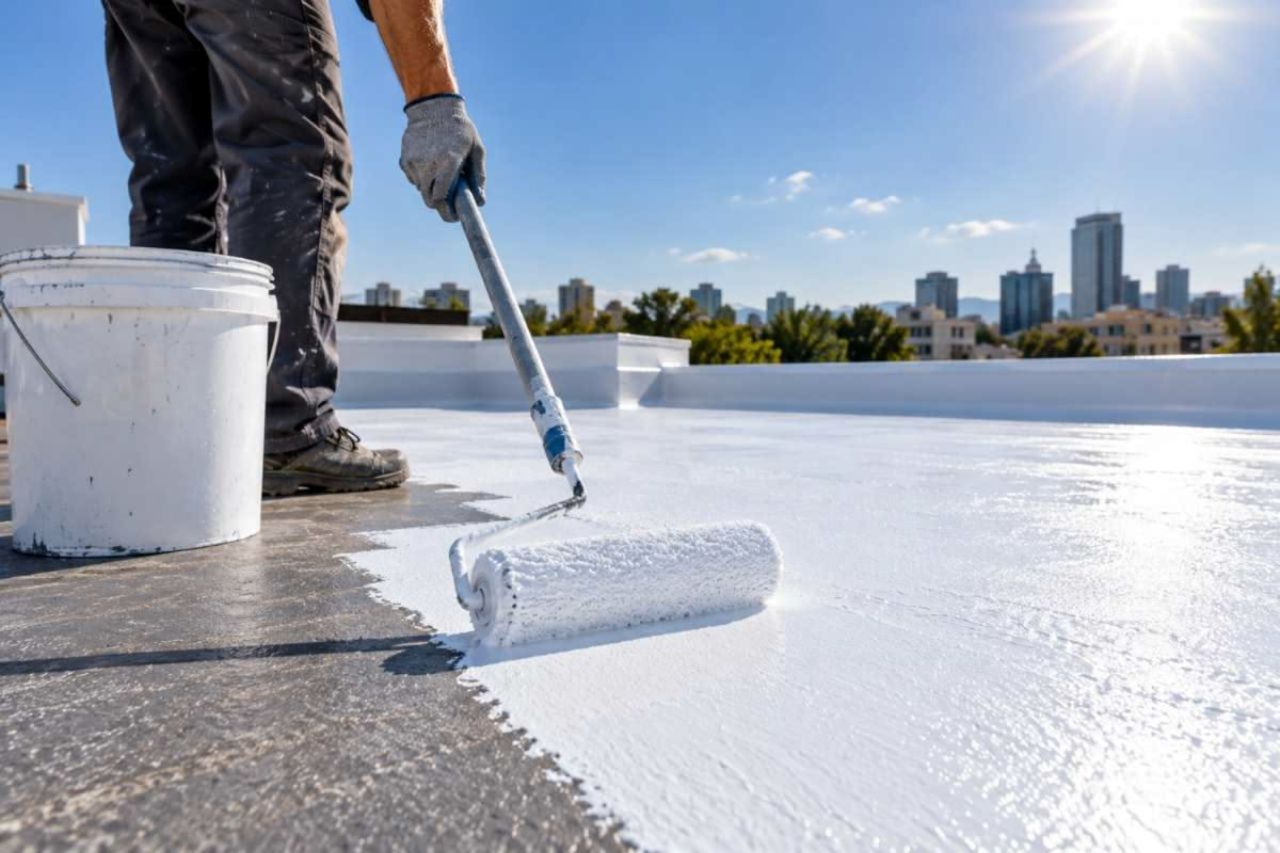
Concrete roofs need coatings that work with their porous surfaces and outdoor exposure conditions. Because concrete can absorb moisture, selecting the right product is important for maintaining the roof’s condition.
Some roof coatings provide weather protection and help reduce water penetration. However, ordinary roof paint should not automatically be considered a waterproofing solution. Existing leaks and significant water penetration should be addressed before painting.
When choosing roof paint for concrete, consider the following:
- Adhesion: Select a coating designed for concrete or masonry.
- Moisture compatibility: Ensure the surface meets the product’s moisture requirements.
- Weather resistance: Choose paint that withstands rain and sunlight.
- Crack repair: Repair existing cracks with appropriate materials before coating.
- Breathability: Consider whether the roof requires a coating that allows moisture vapor to escape.
Before application, clean the surface, remove loose materials, and allow it to dry as required. Follow the manufacturer’s instructions for priming and coating.
4. Consider Heat Reflection and Energy Efficiency
Roofs receive considerable sunlight, especially in warm climates. Dark surfaces can absorb solar heat, potentially increasing indoor temperatures and cooling requirements.
Some roof paints contain reflective pigments that help reflect solar radiation. These coatings may reduce roof surface temperatures and improve indoor comfort under suitable conditions.
When comparing products, look for coatings specifically designed for solar reflectance or heat reduction. Standard roof paint may improve appearance without offering significant heat-reflective benefits.
The effectiveness of reflective coatings depends on several factors:
- Roof color and surface condition
- The coating’s reflective properties
- Building insulation and ventilation
- Local climate and sunlight exposure
For buildings in hot climates, reflective roof paint may be a useful option for managing heat.
5. Evaluate Weather and UV Resistance
Roof paint must withstand continuous outdoor exposure. Rain, humidity, sunlight, and temperature fluctuations can gradually affect its appearance and protective performance.
UV-resistant coatings help reduce fading and deterioration caused by prolonged sunlight. Weather-resistant formulations can also maintain their performance under changing outdoor conditions.
Metal roofs experience expansion and contraction as temperatures change, while concrete roofs may face moisture-related deterioration. Choosing paint designed for these conditions can help reduce premature coating failure.
Before purchasing, review the product specifications to confirm its intended use, weather resistance, and maintenance requirements.
6. Prepare the Roof Before Painting
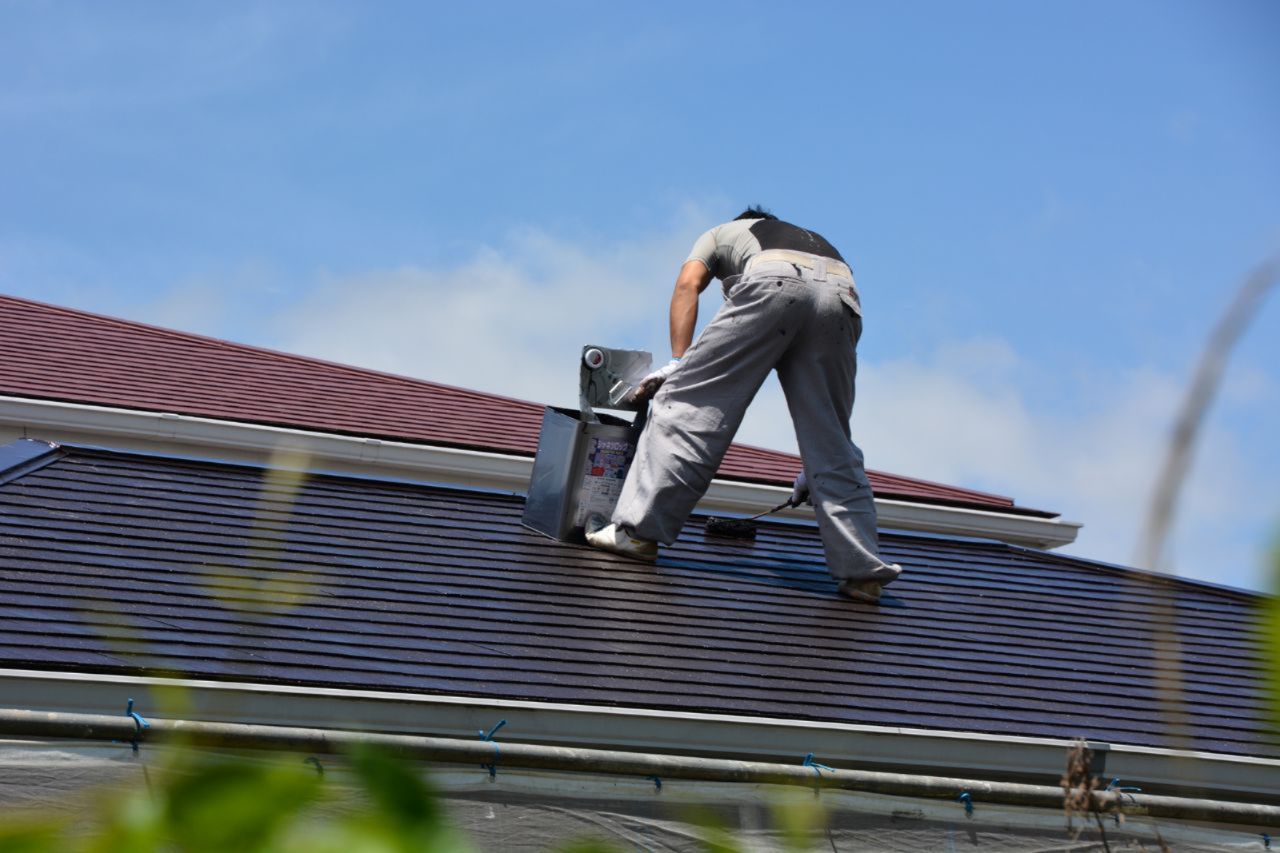
Even high-quality roof paint may fail if the surface is poorly prepared. Dirt, rust, algae, loose paint, and moisture can interfere with adhesion and shorten the coating’s service life.
A proper preparation process generally includes:
- Inspect the roof: Identify rust, cracks, damaged sections, loose coatings, and possible leaks.
- Clean the surface: Remove dirt, debris, algae, and other contaminants.
- Repair damaged areas: Treat corrosion, cracks, and loose materials using suitable repair products.
- Apply primer if required: Use a primer compatible with the roofing material.
- Check surface conditions: Ensure the roof meets the product’s requirements for dryness and temperature.
- Apply the coating: Follow the recommended coverage rate, number of coats, and drying times.
Roof work involves fall hazards and potentially fragile surfaces. Use appropriate safety equipment and procedures, and consider professional assistance for steep or difficult-to-access roofs.
7. Compare Quality, Cost, and Maintenance
Roof paint prices vary depending on the formulation, coverage, durability, and specialized features. Although a cheaper product may seem attractive initially, it may require more frequent maintenance if it does not suit the roofing material or local climate.
When comparing products, consider the total cost over time rather than the purchase price alone. A suitable coating may provide better value by maintaining its performance and reducing the need for repeated repainting.
Check the expected coverage, recommended number of coats, surface compatibility, and maintenance instructions. Manufacturer warranties and technical data sheets can also help you compare available options.
Regular roof inspections can identify early signs of peeling, fading, corrosion, and surface damage. Addressing these issues promptly helps maintain the coating and prevents minor defects from becoming more serious problems.
Conclusion
Choosing the right roof paint for metal and concrete roofs requires careful consideration of the roofing material, weather exposure, surface condition, and desired performance. Metal roofs generally need strong adhesion and corrosion protection, while concrete roofs require coatings suitable for porous surfaces and moisture conditions.
Proper preparation, compatible primers, and correct application are essential for reliable results. By comparing product specifications and selecting a coating designed for the intended roof type, property owners can improve roof protection, maintain its appearance, and support long-term performance.