
Close
Choosing Long-Lasting Exterior Paint for Different Home Surfaces
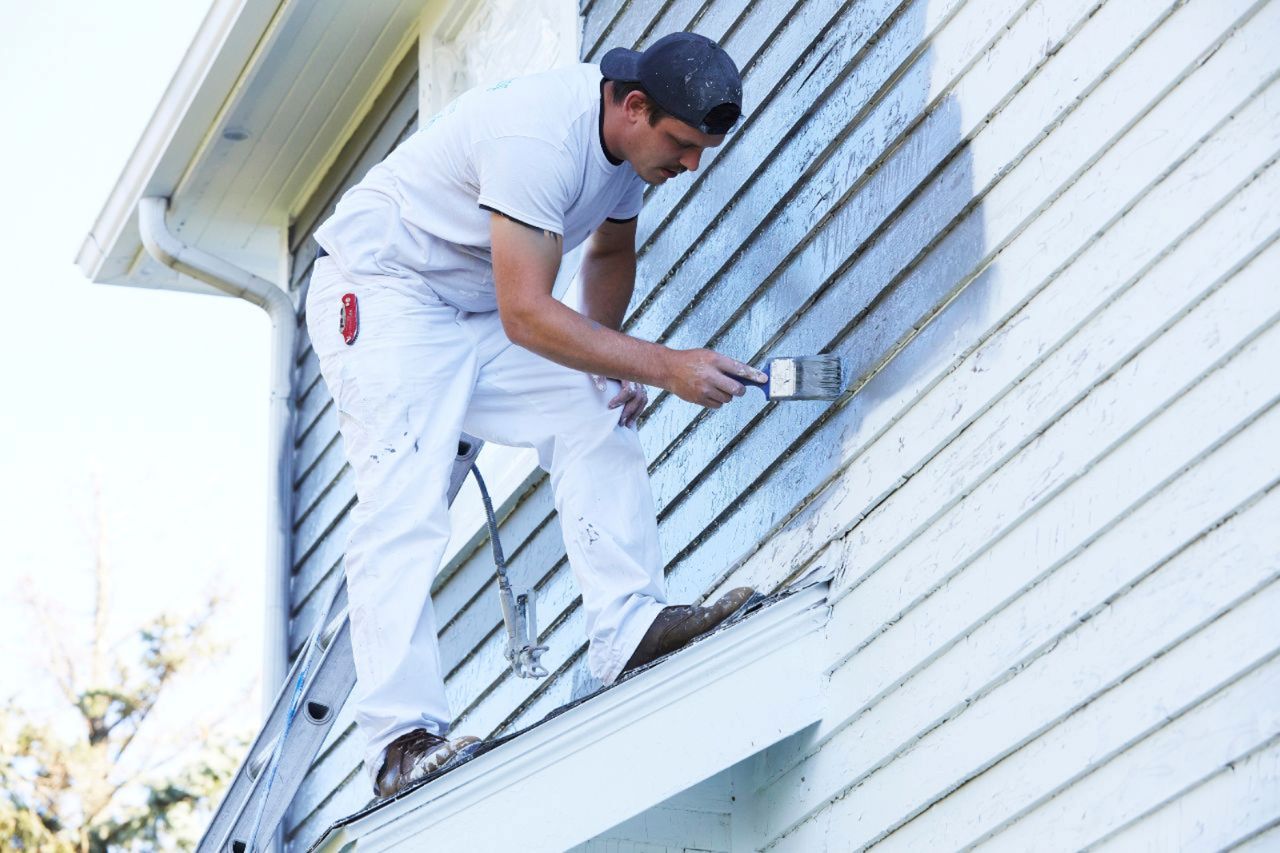
Exterior paint does more than improve the appearance of your home. It helps protect walls and other outdoor surfaces from sunlight, rain, humidity, dirt, and everyday wear. Choosing the right long-lasting exterior paint helps protect your property, maintain its appearance, and reduce the need for frequent repainting.
However, not every exterior surface has the same requirements. Concrete walls, rendered surfaces, wood, metal, and other materials may need different types of paint and preparation. Understanding the surface before choosing a product can help you achieve a more durable and attractive result.
Understand the Surface Before Painting
The first step is to identify the surface you plan to paint. Different materials absorb paint differently and respond differently to moisture, temperature changes, and outdoor exposure.
Before purchasing exterior paint, check whether the surface is:
- Concrete or cement render
- Brick or masonry
- Wood
- Metal
- Previously painted
- Smooth or textured
The condition of the surface is also important. Cracks, peeling paint, stains, mold, rust, and damaged areas should be addressed before applying a new coating.
Choose Long-Lasting Exterior Paint for Concrete Walls
Concrete and cement walls are durable but exposed to rain, humidity, heat, and temperature changes. The right exterior paint and proper preparation can help protect the surface and maintain its appearance.
- Choose suitable paint: Select exterior paint designed for masonry or cement-based surfaces.
- Check adhesion: Look for products that provide good adhesion and resistance to outdoor conditions.
- Prepare the surface: Remove loose or peeling paint, clean dirt and stains, and repair cracks before painting.
- Use primer when needed: Apply a suitable primer if recommended or if the wall requires additional preparation.
- Improve protection: A quality coating can help protect concrete walls from weather exposure while maintaining their appearance.
Painting Rendered and Textured Surfaces
Rendered walls add texture and character to a home’s exterior, but their uneven surface can collect dust and make painting more difficult. Proper preparation and the right coating can help achieve better coverage and a more durable finish.
- Use suitable paint: Choose paint designed for rendered surfaces.
- Apply primer: Consider a suitable primer for porous or previously unpainted surfaces.
- Prepare properly: Clean the surface and repair damage before painting.
- Apply carefully: Use the right method to cover textured areas evenly.
Selecting Paint for Exterior Wood
Wooden doors, frames, fences, and trims need protection from moisture and sunlight. Weather changes can cause wood to expand and contract, making proper preparation and suitable paint essential.
- Prepare the wood: Clean, dry, sand, and repair damaged areas.
- Use primer: Apply a suitable wood primer when recommended.
- Choose suitable paint: Use an exterior coating designed for wood.
- Inspect regularly: Address peeling, cracks, or surface damage early.
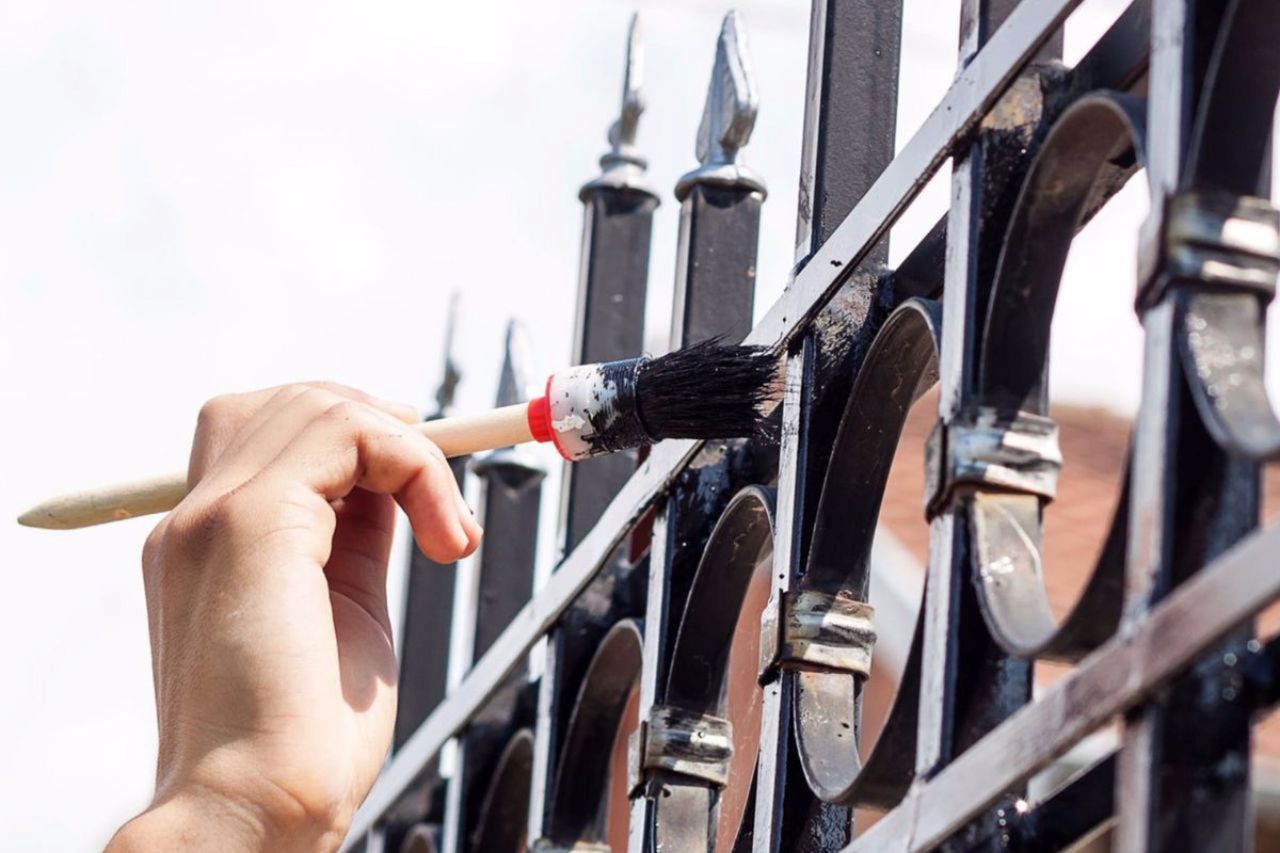
Choosing Paint for Exterior Metal Surfaces
Metal gates, railings, grills, and outdoor fixtures can develop rust when exposed to moisture. Proper preparation and the right paint can help protect these surfaces and improve durability.
- Choose suitable paint: Use an exterior coating designed for metal.
- Remove rust: Clean and treat rusted areas before painting.
- Use primer: Apply an anti-rust primer when recommended.
- Prepare properly: Remove loose rust and flaking material for better paint adhesion.
Consider Weather and Climate Conditions
Weather conditions can significantly affect exterior paint performance. Homes in hot, humid, or rainy climates can experience significant exposure to sunlight and moisture.
When choosing long-lasting exterior paint, look for products designed to withstand the conditions common in your area. Consider features such as:
- Resistance to weather exposure
- UV resistance
- Moisture resistance
- Good adhesion
- Resistance to fading
- Durability against regular outdoor wear
Always follow the manufacturer's recommendations regarding application conditions. Painting during unsuitable weather can affect drying, adhesion, and the final finish.
Prepare the Surface Properly
Even the best exterior paint may not perform well if it is applied to a poorly prepared surface. Preparation creates a suitable base for the new coating.
Before painting:
- Remove dirt, dust, grease, and loose material.
- Scrape away peeling or flaking paint.
- Repair cracks and damaged areas.
- Remove mold or mildew using appropriate cleaning methods.
- Sand rough or glossy surfaces when necessary.
- Allow the surface to dry completely.
- Apply the recommended primer if required.
Good preparation can help prevent common problems such as peeling, bubbling, uneven coverage, and premature fading.
Choose the Right Paint Finish
The right exterior paint finish can affect both appearance and maintenance. Consider the surface condition, desired look, and cleaning needs before choosing a finish.
- Smooth surfaces: Smoother finishes can create a clean look but may highlight imperfections.
- Textured surfaces: Choose a finish that provides more consistent coverage.
- Maintenance: Consider how often the surface will need cleaning and maintenance.
Think About Color and Fading
Exterior colors are exposed to strong sunlight, which can affect their appearance over time. Some colors may show fading more noticeably than others.
- Match the home: Consider the roof, doors, windows, and architectural style.
- Choose the look: Lighter shades create a brighter appearance, while darker colors add contrast.
- Check durability: Choose exterior paint with suitable UV and weather resistance.
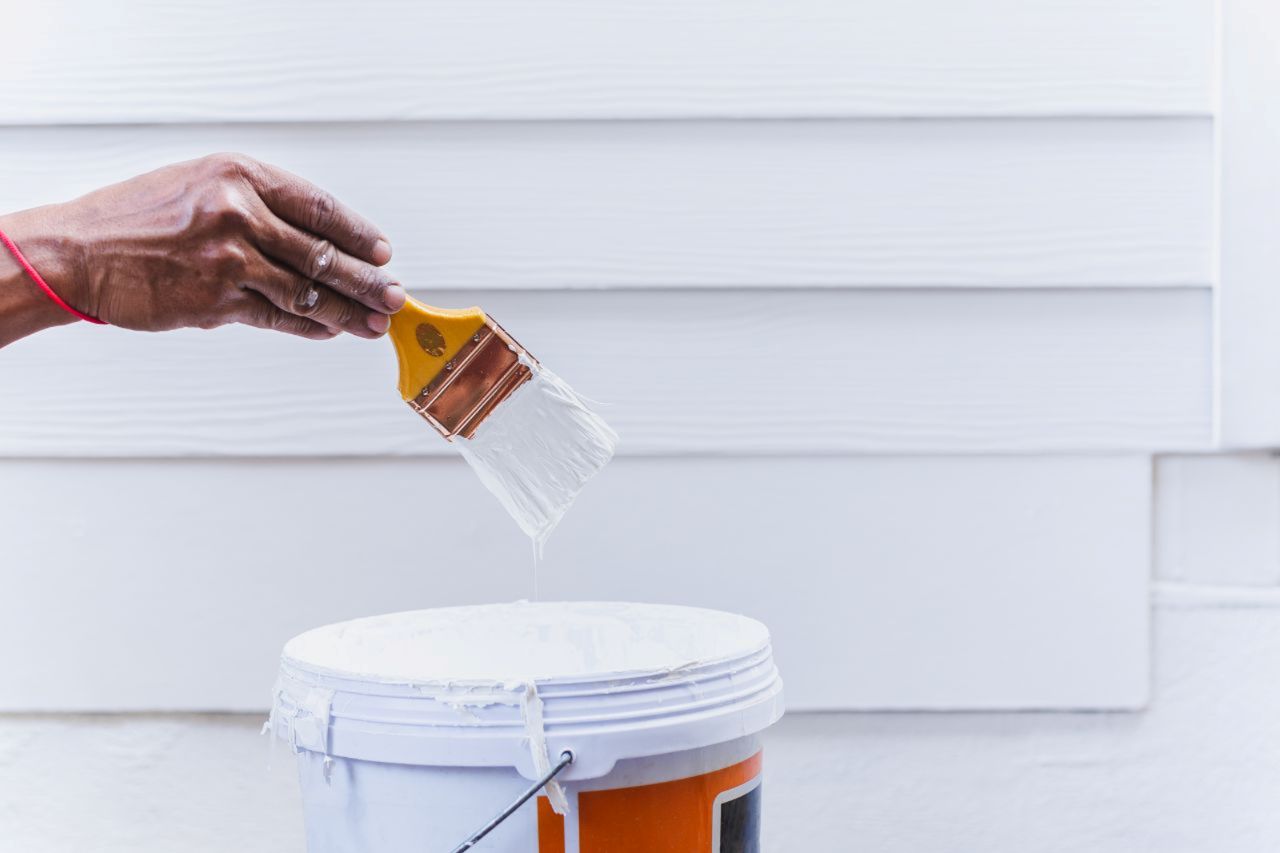
Apply the Correct Number of Coats
Applying the right amount of paint helps achieve even coverage and lasting protection without unnecessary costs.
- Follow instructions: Check the recommended coverage and number of coats.
- Allow drying time: Let each coat dry fully before applying the next.
- Use proper tools: The right tools and techniques can help create a smoother, more consistent finish.
Maintain Your Exterior Painted Surfaces
Long-lasting exterior paint still requires regular care. Dirt, algae, mold, and other contaminants can build up on outdoor surfaces over time. Inspect painted areas periodically for signs of:
- Peeling or cracking
- Fading
- Staining
- Mold or mildew
- Rust
- Surface damage
Clean exterior surfaces using suitable methods and address minor problems early. Regular maintenance can help extend the life of the coating and keep your home looking well-maintained.
Consider Quality and Long-Term Value
Price matters, but choosing exterior paint based on cost alone may lead to higher maintenance expenses over time. Compare the product’s performance and suitability for your surface.
- Compare durability: Look for paint designed to withstand outdoor conditions.
- Check coverage: Consider how much area the product can cover.
- Consider compatibility: Make sure it suits your surface and application needs.
- Think long term: Durable paint can help reduce the need for frequent repainting and maintenance.
Conclusion
Choosing long-lasting exterior paint requires more than selecting an attractive color. Consider the surface material, weather exposure, existing condition, preparation, finish, and maintenance needs. A reliable paint supplier in Malaysia can also help you select products suited to different exterior surfaces.
With proper preparation, suitable products, and correct application, exterior paint can provide lasting protection while maintaining your home’s appearance and reducing unnecessary repainting and maintenance.