
Close
10 Ceiling Painting Ideas to Refresh Your Home

Ceilings are often overlooked when planning a home makeover, but the right paint color and finish can make a noticeable difference to the overall appearance of a room. From classic white ceilings to soft colors and bold statement shades, many ceiling painting ideas can refresh your home without requiring major renovations.
A well-painted ceiling can make a room feel brighter, more spacious, cozy, or visually interesting. The best choice depends on the room size, natural lighting, interior style, wall color, and the atmosphere you want to create. Here are 10 ceiling painting ideas to consider for your next home improvement project.
1. Choose Classic White for a Bright Look
White is one of the most popular ceiling colors because it creates a clean and timeless appearance. It can also reflect light and help make a room feel brighter.
White ceilings work well with almost any wall color and interior style. They are especially suitable for rooms with limited natural light or smaller spaces where you want to create an open feeling.
Consider white when you want:
- A clean and simple appearance
- Better light reflection
- A versatile color that matches different interiors
- A timeless finish that is easy to maintain
2. Match the Ceiling to the Walls
Painting the ceiling the same color as the walls creates a seamless and balanced look. This approach works well with soft neutrals, muted tones, and minimalist interiors.
Using one color throughout the room can also reduce visual breaks, making the space feel more unified. This idea works well in bedrooms, living rooms, and modern interiors where a consistent color palette is preferred.
3. Use a Soft Neutral Shade
If you want something different from traditional white, consider soft neutral colors such as cream, beige, light gray, or warm off-white. Neutral ceiling colors can add subtle warmth without making the room feel too dark. They can also complement wooden furniture, neutral flooring, and natural materials.
Choose a shade that works with the undertones of your walls and other major features. Warm ceiling shades pair well with beige or brown interiors, while cool gray tones complement blue and other cool neutral colors.
4. Try a Light Pastel Color
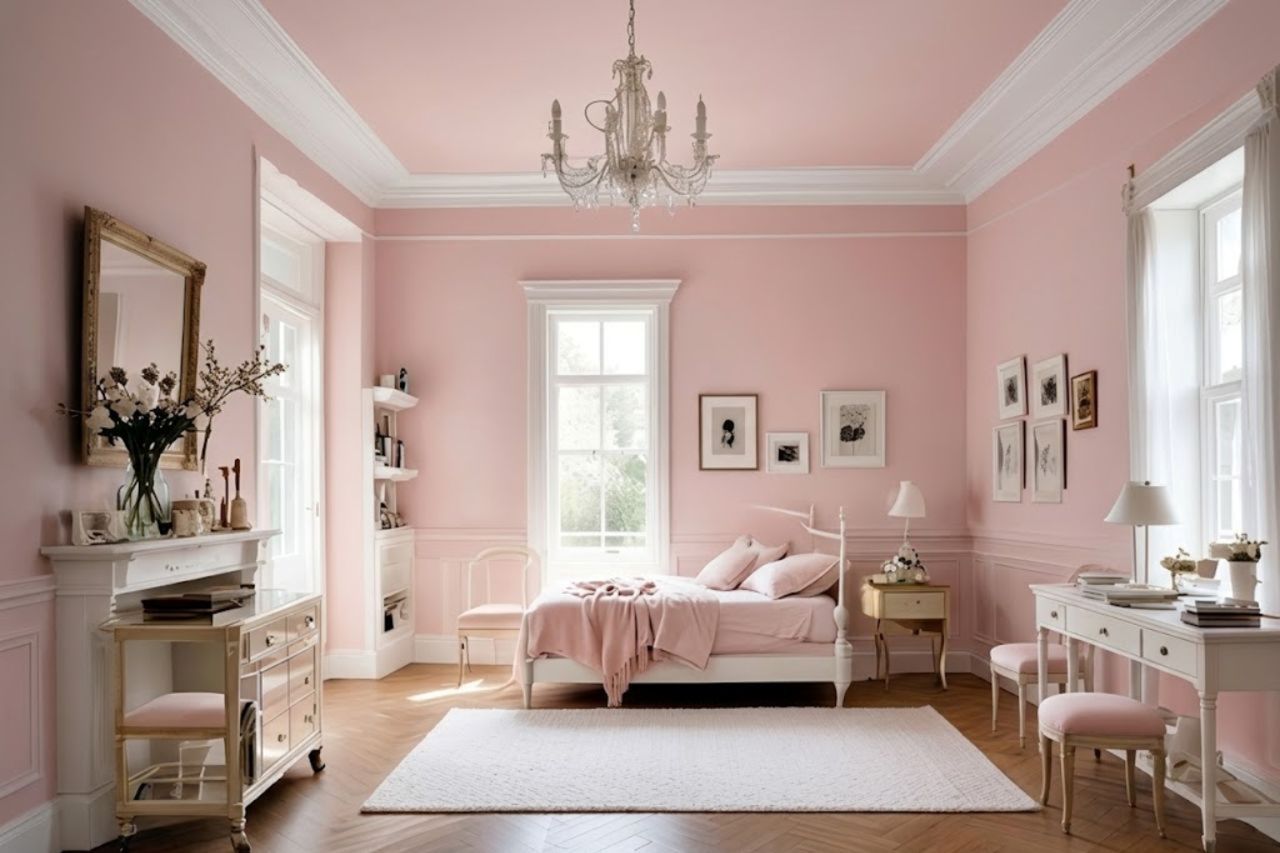
Light pastel shades can add personality without overwhelming the room. Soft blue, pale green, muted pink, or gentle lavender can create a subtle decorative effect.
Pastel ceilings can be especially suitable for bedrooms, children's rooms, and relaxing spaces. Keep the walls and furniture relatively simple if you want the ceiling to become a gentle focal point.
When choosing a pastel color, test a sample first. Ceiling lighting can affect how the shade appears, particularly under artificial light.
5. Create a Bold Statement Ceiling
For homeowners who want a stronger design feature, a bold ceiling can create an eye-catching focal point. Deep blue, charcoal, green, or other rich shades can add character to a room.
A bold ceiling works best when the rest of the interior is balanced. Too many strong colors can make a space feel visually busy, so consider using neutral walls and simple furniture.
This approach can work particularly well in dining rooms, entertainment areas, home offices, and other spaces where you want more personality.
6. Use a Dark Ceiling for a Cozy Atmosphere
Dark ceilings are sometimes avoided because homeowners worry they will make a room feel smaller. However, when used correctly, darker colors can create a comfortable and sophisticated atmosphere.
Deep gray, navy, dark green, or other muted dark shades can work well in rooms with sufficient lighting and higher ceilings.
A dark ceiling can be especially effective in:
- Dining rooms
- Bedrooms
- Home theaters
- Reading areas
- Large living spaces
Balance darker ceilings with appropriate lighting and lighter furnishings to prevent the room from feeling too enclosed.
7. Highlight Architectural Details
If your ceiling has beams, molding, recessed sections, tray ceilings, or decorative panels, paint can help highlight these features.
You can use one color for the main ceiling and another shade for selected architectural details. Alternatively, use a slightly different tone to create subtle contrast.
Before painting, consider the existing interior colors and the size of the architectural features. Strong contrast can make details more noticeable, while similar shades create a softer effect.
8. Use a Two-Tone Ceiling Design
A two-tone ceiling can add visual interest without requiring complicated decoration. Combine complementary shades to define different areas or architectural sections.
For example, you could use a light neutral as the main ceiling color and a slightly darker shade around the edges or within recessed sections.
This idea works particularly well in larger rooms where you want to create visual separation. Keep the colors coordinated with the walls, flooring, and furniture for a balanced result.

9. Choose a Finish That Suits the Ceiling
Color is important, but the paint finish also affects the final appearance. Ceilings often benefit from finishes that reduce glare and help hide minor surface imperfections.
A flat or matte finish can provide a smooth, understated appearance. It can also help prevent light from reflecting strongly across uneven areas.
When selecting ceiling paint, consider:
- Surface condition
- Natural and artificial lighting
- Desired appearance
- Cleaning and maintenance needs
- Existing wall and ceiling finishes
If the ceiling has visible imperfections, a suitable low-sheen finish may help create a more consistent appearance.
10. Use Color to Complement the Room
Choose a ceiling color that complements the room’s walls, furniture, flooring, and lighting. For example, warm white suits beige and wood tones, while pale blue pairs well with white and cool-toned decor.
You can also use the ceiling to reinforce your preferred interior style:
- Modern: White, gray, or subtle neutral shades
- Scandinavian: Soft white, cream, or pale natural tones
- Traditional: Warm white, beige, or gentle cream
- Contemporary: Neutral ceilings with stronger accent colors
- Eclectic: Bold or contrasting ceiling shades
Consider Room Size and Ceiling Height
Room size, ceiling height, and lighting can affect how a ceiling color appears. Light shades create an open feel, while darker colors add warmth and make ceilings feel lower.
- Low ceilings: Use light colors to create a more open appearance
- High ceilings: Consider darker or bolder shades.
- Lighting: Test paint samples under the room’s actual lighting.
Conclusion
Refreshing your ceiling does not always require a major renovation. The right color, finish, and painting technique can transform a room and complement your existing interior. Whether you prefer classic white, soft neutrals, pastel shades, or bold colors, consider the room’s size, lighting, and overall style. A reliable painting supplier in Malaysia can also help you choose suitable paint products and finishes.
With proper preparation and the right products, these ceiling painting ideas can give your home a cleaner, brighter, and more personalized look.