
Close
What Is Epoxy Coating and Why Is It Popular for Industrial Floors?
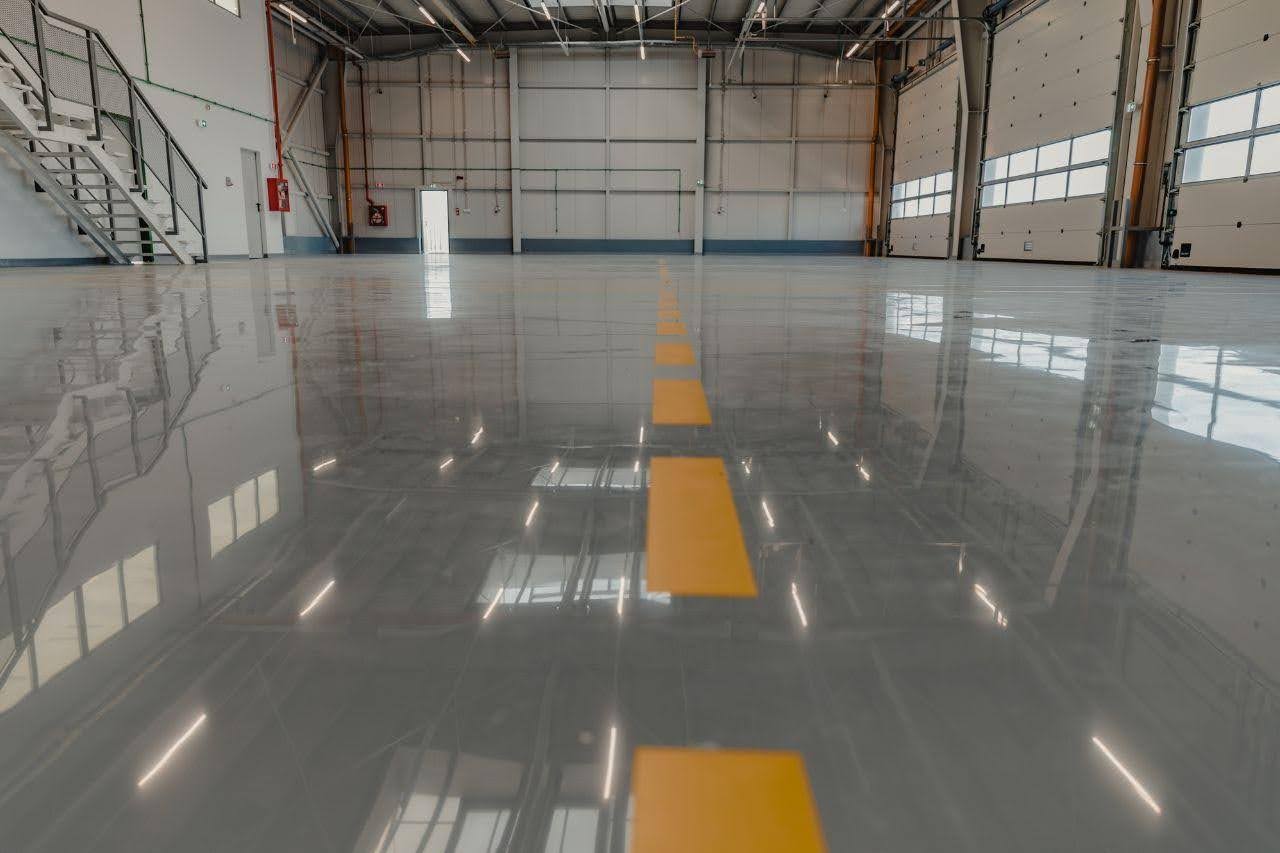
Industrial floors are exposed to heavy traffic, machinery movement, chemical spills, and constant wear that can damage ordinary flooring materials over time. For this reason, many industries require durable flooring solutions that can withstand demanding environments while maintaining safety, cleanliness, and visual appeal. One of the most widely used solutions is epoxy coating.
Epoxy coating is a protective flooring system known for its strength, durability, and resistance to harsh conditions. It is commonly applied in factories, warehouses, workshops, commercial facilities, and other industrial environments where long-lasting floor protection is essential.
Understanding what epoxy coating is and why it has become a popular choice can help businesses choose the right flooring solution for their operational needs.
What Is Epoxy Coating?
Epoxy coating is a protective flooring system created by combining epoxy resin with a hardening agent. The resulting coating creates a durable, seamless surface that strengthens concrete floors and withstands demanding industrial conditions, including heavy loads and frequent use.
Epoxy coatings are commonly applied over:
- Concrete floors
- Industrial flooring systems
- Warehouse surfaces
- Garage floors
- Manufacturing areas
The finished coating provides both functional protection and an attractive appearance, making it suitable for various industrial and commercial applications.
How Does Epoxy Coating Work?
The epoxy coating process involves several important steps to ensure proper adhesion and long-lasting performance.
1. Surface Preparation
Before applying epoxy, the existing floor must be properly prepared. This may involve:
- Cleaning dirt, grease, and contaminants.
- Repairing cracks or surface damage.
- Grinding or sanding the concrete surface.
- Ensuring the floor is dry and ready for coating.
Proper preparation helps the epoxy bond effectively with the surface.
2. Application of Epoxy Mixture
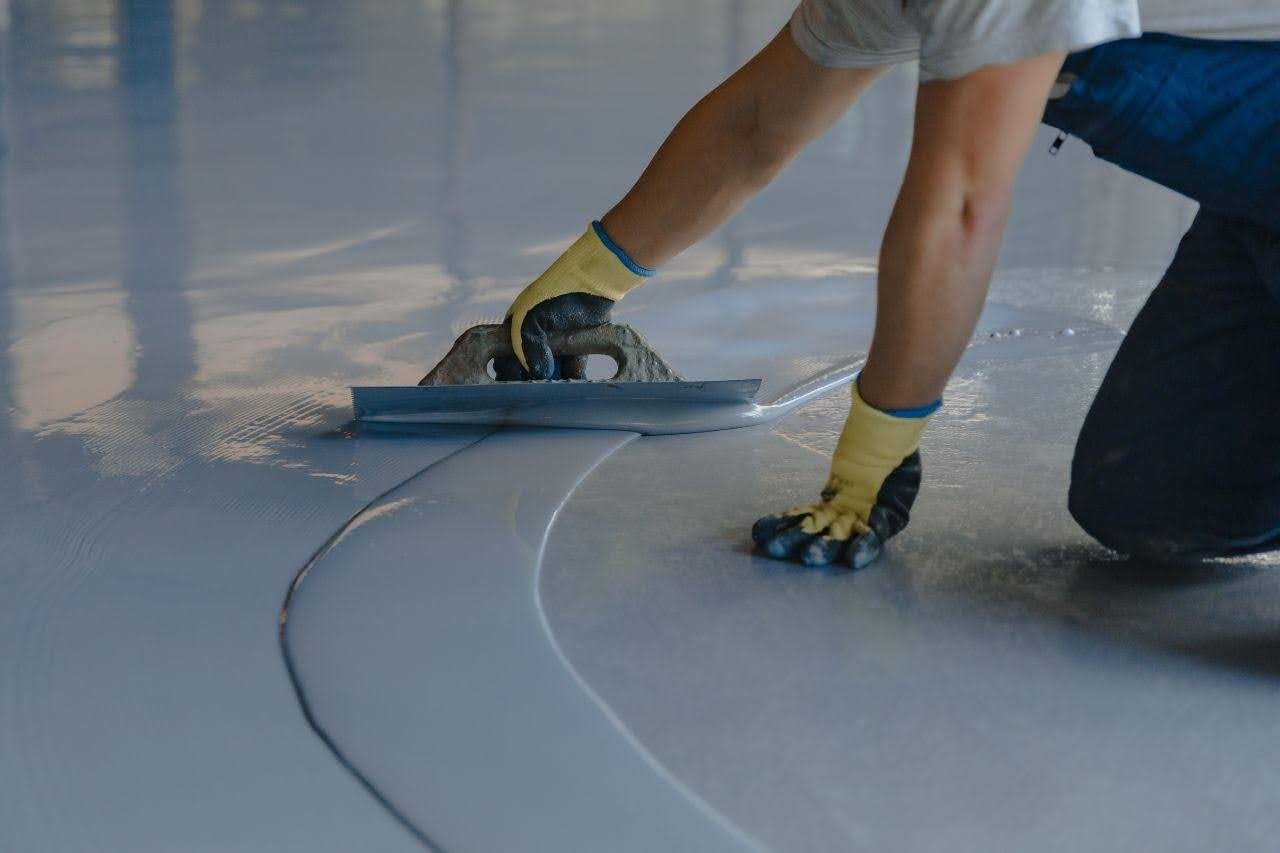
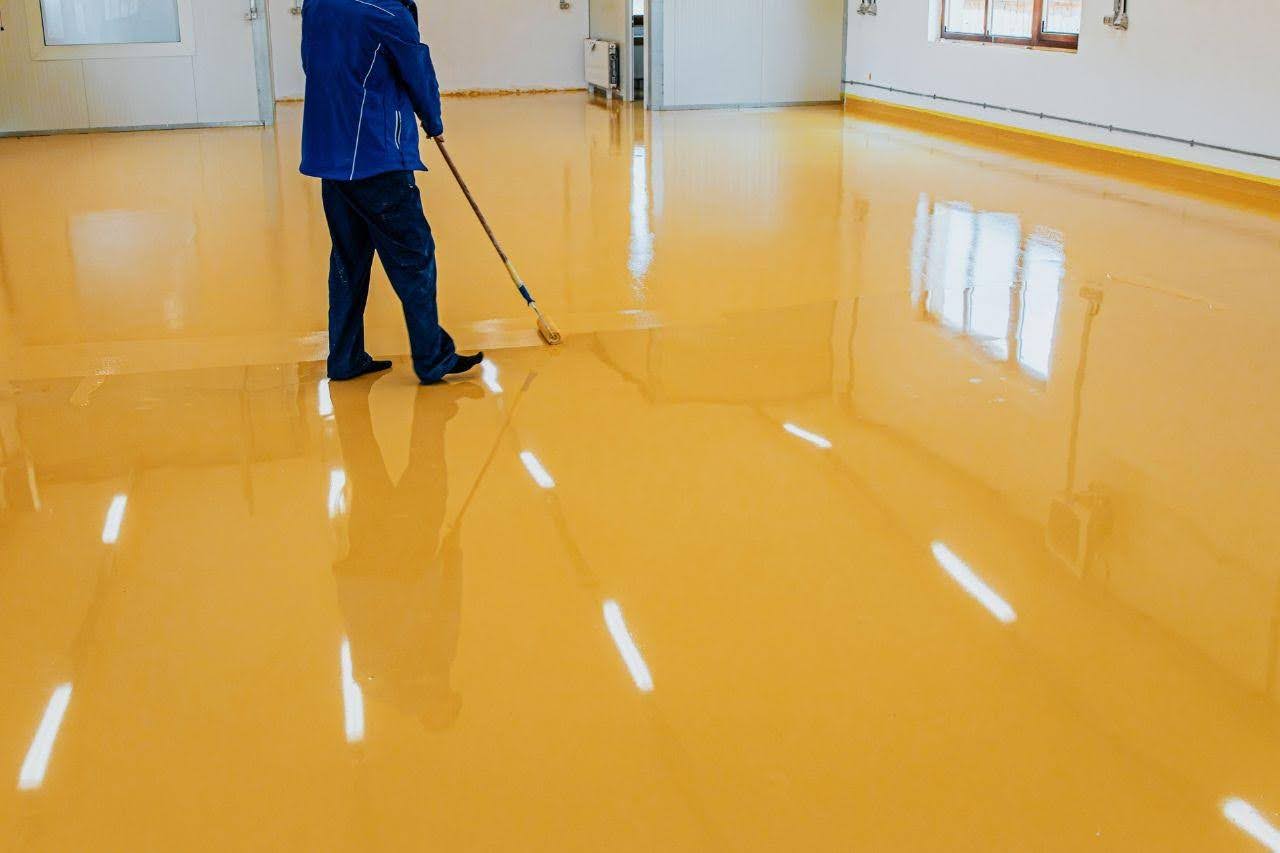
The epoxy resin and hardener are mixed according to specific ratios before application. The mixture is then spread evenly across the prepared floor using professional tools.
3. Curing Process
After application, the epoxy coating requires time to cure and harden. Once fully cured, it creates a strong surface layer that provides excellent protection against daily industrial challenges.
Why Is Epoxy Coating Popular for Industrial Floors?
Epoxy coating has become a preferred flooring option for industrial facilities because it combines durability, safety, and cost-effectiveness.
Below are some key reasons why businesses choose epoxy flooring systems.
1. Excellent Durability and Strength
Industrial environments often involve heavy equipment, forklifts, machinery, and frequent foot traffic. Ordinary flooring can quickly become damaged under these conditions.
Epoxy coating creates a strong surface that can withstand:
- Heavy loads
- Mechanical impact
- Constant movement
- Daily wear and tear
Its durability helps extend the lifespan of industrial floors and reduces the need for frequent repairs.
2. Resistance to Chemicals and Spills
Factories and industrial facilities may handle chemicals, oils, solvents, and other substances that can damage standard concrete floors.
Epoxy coatings provide excellent resistance against many types of industrial spills, helping protect the underlying floor structure.
This makes epoxy flooring suitable for:
- Manufacturing plants
- Automotive workshops
- Laboratories
- Chemical processing areas
- Storage facilities
A chemical-resistant floor also helps maintain a safer and cleaner working environment.
3. Easy Maintenance and Cleaning
One major advantage of epoxy coating is its smooth and seamless surface. Unlike traditional concrete floors, epoxy does not have joints or cracks where dirt and contaminants can accumulate.
Benefits include:
- Easier cleaning
- Reduced dust buildup
- Improved hygiene
- Lower maintenance requirements
Regular cleaning can usually be done using simple methods such as sweeping, mopping or industrial cleaning equipment.
4. Improved Workplace Safety
Safety is a major concern in industrial environments. Epoxy flooring can be customized with safety features to reduce workplace risks.
Examples include:
- Anti-slip finishes
- Safety markings
- High-visibility floor areas
- Color-coded zones
These features help improve organization and reduce the chances of accidents caused by slippery or unclear floor areas.
5. Attractive and Professional Appearance
Although industrial floors are designed for functionality, appearance also plays an important role in creating a professional workplace.
Epoxy coatings are available in various:
- Colors
- Finishes
- Patterns
- Textures
Businesses can customize flooring designs to match their branding or create organized work zones.
A clean and attractive floor can improve the overall appearance of factories, warehouses, and commercial spaces.
6. Cost-Effective Flooring Solution
While epoxy coating requires an initial investment, it can provide long-term cost savings due to its durability and low maintenance requirements.
Benefits include:
- Fewer repairs
- Longer floor lifespan
- Reduced maintenance costs
- Less downtime for replacements
For many industries, epoxy flooring offers a practical balance between performance and affordability.
7. Fast Installation Compared to Other Flooring Systems
Industrial facilities often cannot afford long periods of downtime. Epoxy coating can usually be installed efficiently when proper preparation and planning are carried out.
A professional installation team can help businesses:
- Minimize operational disruptions.
- Complete projects within scheduled timelines.
- Restore floor usage quickly after curing.
This makes epoxy coating a convenient option for busy industrial environments.
Common Applications of Epoxy Flooring
Epoxy coating is used across various industries due to its reliable performance.
Common applications include:
- Manufacturing Facilities: Epoxy floors provide a durable surface for areas with machinery, equipment, and heavy operations.
- Warehouses: The coating helps warehouses handle forklift traffic, storage loads, and frequent movement.
- Automotive Workshops: Epoxy flooring resists oil, grease, and vehicle-related chemicals.
- Food Processing Facilities: Its smooth, seamless surface is easy to clean and supports strict hygiene standards in controlled environments.
- Commercial Garages: Epoxy coatings provide a strong and attractive finish for high-traffic areas.
- Laboratories: Chemical resistance and easy maintenance make epoxy suitable for controlled environments.
Different Types of Epoxy Coatings
There are several epoxy flooring options available depending on specific requirements.
1. Self-Leveling Epoxy
- Creates a smooth and even surface, making it suitable for damaged or uneven floors.
2. Epoxy Mortar Flooring
- Provides extra strength and is designed for heavy-duty industrial applications.
3. Anti-Slip Epoxy Flooring
- Includes textured additives to improve safety in wet or high-risk areas.
4. Metallic Epoxy Flooring
- Creates decorative finishes with unique patterns and visual effects.
Choosing the right epoxy coating depends on factors such as floor usage, environment, and performance requirements.
Factors to Consider Before Installing Epoxy Flooring
Before choosing epoxy coating, businesses should evaluate several factors.
Floor Condition
Existing cracks, moisture issues, or damage should be addressed before installation.
Industrial Requirements
Consider:
- Weight loads
- Chemical exposure
- Traffic levels
- Safety requirements
Professional Installation
Proper installation is essential to achieve maximum durability. Experienced contractors can ensure correct surface preparation, application, and curing.
Conclusion
Epoxy coating is a durable and practical flooring solution that has become increasingly popular for industrial floors. Its excellent strength, chemical resistance, easy maintenance, safety features, and attractive appearance make it suitable for demanding environments.
For businesses operating in factories, warehouses, workshops, and commercial facilities, epoxy flooring provides long-term protection while improving workplace efficiency and safety. By selecting the right epoxy system and working with experienced professionals, companies can create industrial floors that remain reliable, functional, and visually appealing for many years.