
Close
Sealer Paint vs Primer: Understanding the Difference
When preparing walls, ceilings, wood, concrete, or other surfaces for painting, choosing the right base coating can significantly affect the final result. Two products that are often confused are sealer paint and primer. Although they can serve similar purposes in some applications, they are designed to solve different surface problems.
Understanding the difference between sealer paint and primer can help homeowners, contractors, and property owners choose the right product for their projects. Using the appropriate coating can improve adhesion, create a more uniform finish, reduce paint consumption, and provide better long-term protection.
What Is Primer?
Primer is a preparatory coating applied before the final paint to improve adhesion and create a consistent base. It is especially useful for new surfaces, color changes, unevenly absorbent materials, and surfaces requiring stain-blocking protection.
Common benefits of primer include:
- Improving paint adhesion
- Creating a uniform base for the topcoat
- Helping reduce uneven paint absorption
- Improving coverage of certain colors
- Blocking some stains and discoloration
- Preparing new or previously unpainted surfaces
Different primers are designed for different materials, so selecting one that matches the surface is important.
What Is Sealer Paint?
Sealer paint is designed to seal porous or problematic surfaces, reducing topcoat absorption and creating a more stable base. It is commonly used on drywall, plaster, masonry, concrete, and other porous materials, with some formulations also addressing moisture, stains, or efflorescence.
A sealer can help:
- Reduce paint absorption
- Create a more uniform surface
- Seal porous materials
- Improve the consistency of the topcoat
- Help prevent certain surface issues from affecting the finish
- Provide additional protection in suitable applications
Sealer Paint vs Primer: The Main Difference
The simplest way to understand the difference is to consider what each product is designed to accomplish.
Primer primarily prepares a surface for paint, while sealer primarily seals and stabilizes the surface.
Primer focuses heavily on adhesion and creating a suitable base for the topcoat. Sealer helps control surface porosity and prevents the material from absorbing too much paint.
However, the distinction is not always absolute. Some modern products combine priming and sealing properties. These products can be marketed as primer-sealers and may be suitable for surfaces that require both functions.
When Should You Use Primer?
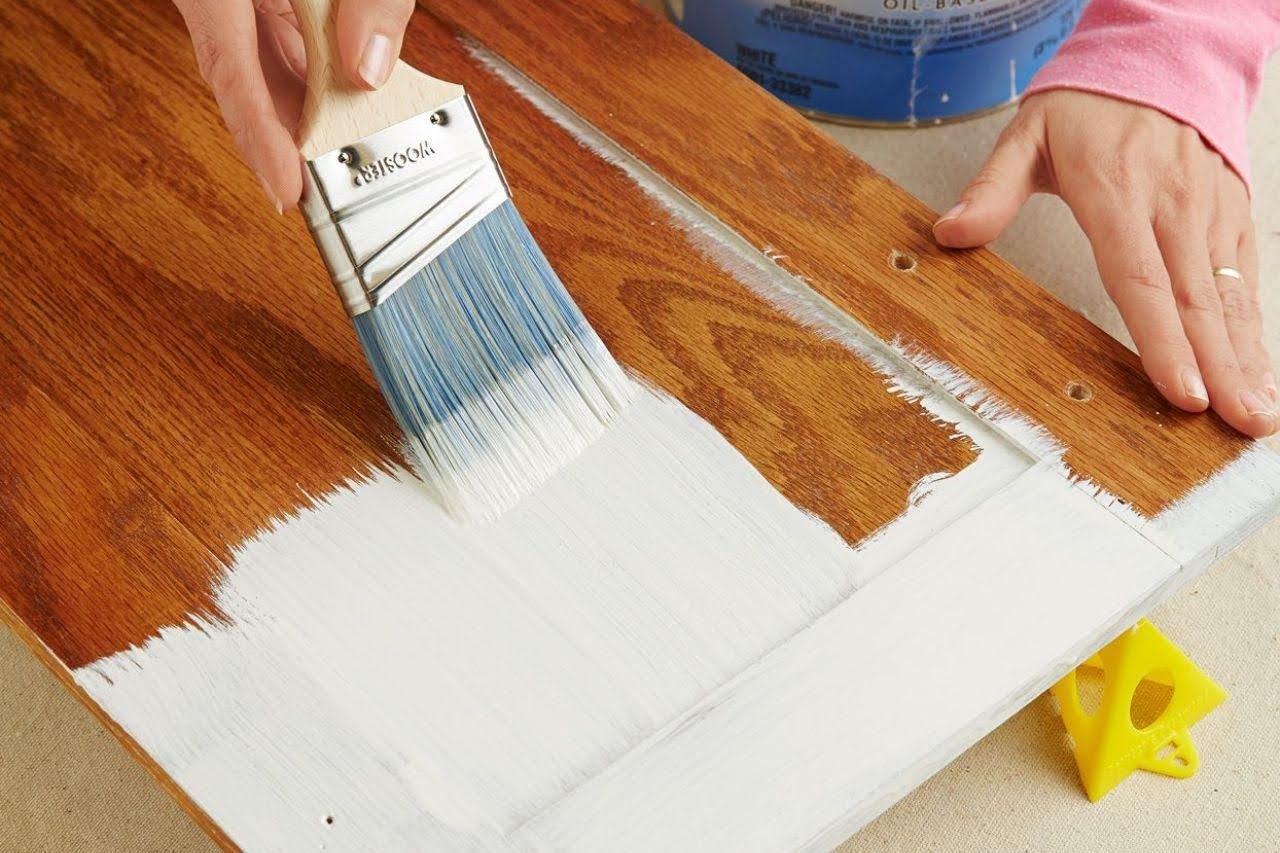
Primer is useful in many painting situations, particularly when the existing surface may make it difficult for the topcoat to adhere or achieve consistent coverage.
You may want to use primer when:
- Painting a new or previously unpainted surface
- Changing from a dark color to a much lighter color
- Painting over a glossy surface after appropriate preparation
- Applying paint to a surface with uneven absorption
- Painting over certain stains or discoloration
- Working with wood, metal, drywall, or other surfaces that require specialized preparation
For example, painting new drywall without the appropriate preparation can result in uneven absorption. A suitable drywall primer can help create a more uniform base and improve the appearance of the final paint.
When Should You Use Sealer?
Sealer is ideal for porous, chalky, or unstable surfaces that require preparation before painting.
Common applications include:
- New plaster
- Fresh masonry
- Concrete surfaces
- Porous drywall
- Previously unsealed walls
- Surfaces with uneven absorption
- Certain exterior surfaces
For example, a newly constructed masonry wall may absorb paint unevenly. Applying a suitable sealer first can help control absorption and create a more consistent surface for the finish coat.
Can Primer and Sealer Be Used Together?
In some projects, both products may be useful. Whether you need both products depends on the surface condition, material, and specific products being used.
A typical preparation process includes cleaning the surface, repairing imperfections, and applying a suitable sealer or primer before the final topcoat. In other situations, a primer-sealer product may perform both functions.
It is important to follow the manufacturer's recommendations rather than automatically applying multiple products. Using unnecessary coatings can increase project costs and labor without providing meaningful benefits.
Primer-Sealer: A Combination Product
Primer-sealer products combine the key benefits of both primer and sealer in a single coating. They can be useful for surfaces that need improved adhesion while also requiring sealing or stain-blocking properties.
These products can be convenient for renovation projects because they may reduce the number of separate products required.
However, not every primer-sealer is suitable for every surface. Always check the product label to determine whether it is appropriate for drywall, wood, concrete, masonry, metal, interior walls, exterior surfaces, or other applications.
Surface Preparation Matters
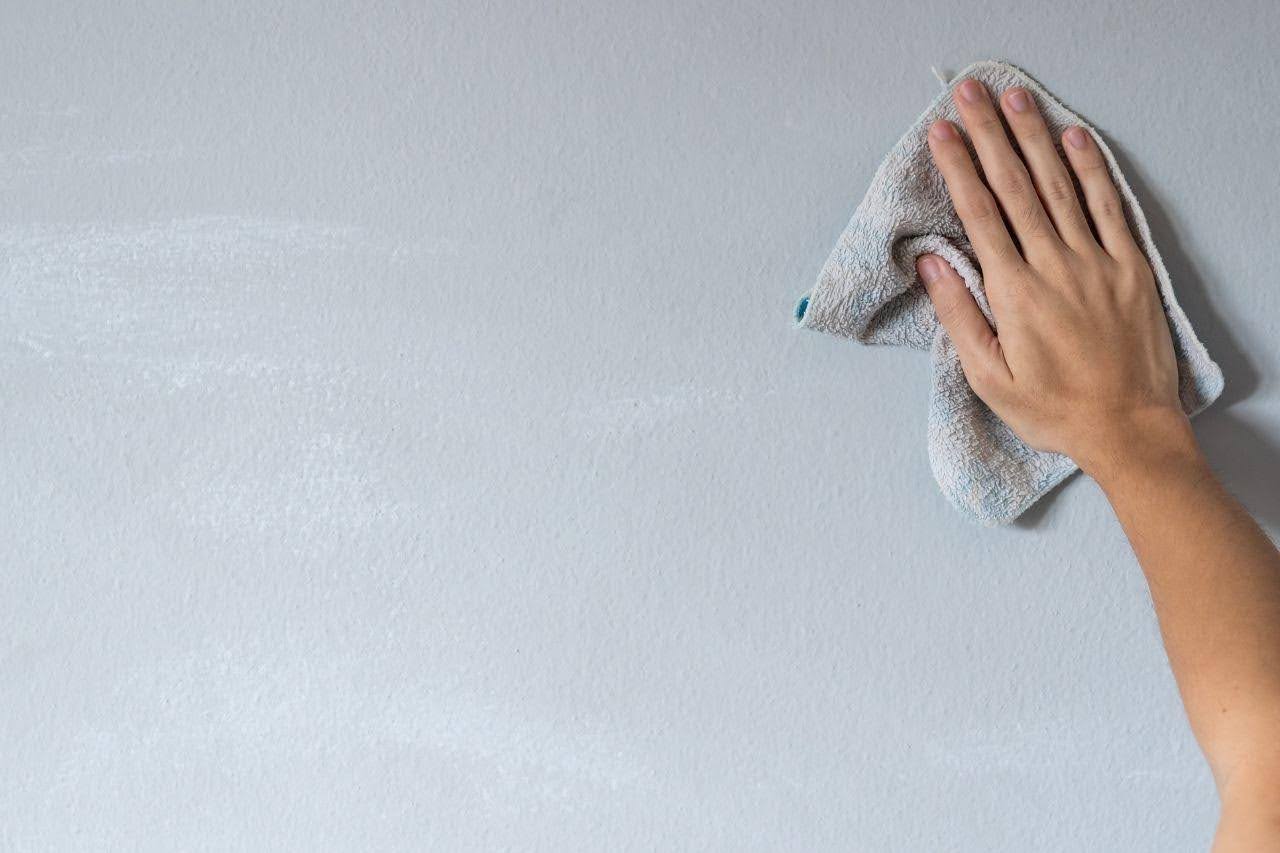
Regardless of whether you choose a primer or sealer, proper surface preparation is essential. Even the best coating may perform poorly if applied over dirt, grease, loose paint, dust, or moisture.
Before applying a base coating:
- Clean the surface thoroughly.
- Remove loose or peeling paint.
- Repair cracks and holes.
- Sand glossy surfaces when necessary.
- Remove dust after sanding.
- Address moisture problems before painting.
- Allow the surface to dry completely.
- Follow the product's application instructions.
Proper preparation helps the coating adhere correctly and improves the performance of the final paint.
How to Choose the Right Product
Choosing between sealer paint and primer depends largely on the surface and the problem you are trying to solve.
Consider these factors:
- Surface material: Choose a product suitable for wood, drywall, concrete, masonry, or metal.
- Surface condition: Porous surfaces may need sealer, while surfaces needing better adhesion or stain blocking may require primer.
- Topcoat compatibility: Ensure the product works with your chosen paint.
- Interior or exterior use: Select a coating designed for the environment.
- Surface problems: Choose specialized products for stains, moisture, or chalking.
Common Mistakes to Avoid
One common mistake is assuming that primer and sealer are interchangeable. While some products can perform multiple functions, standard primer and sealer are not always designed for the same purpose.
Other mistakes include:
- Skipping surface preparation
- Applying a coating over damp surfaces
- Choosing a product unsuitable for the surface
- Ignoring manufacturer instructions
- Applying too much or too little product
- Failing to allow adequate drying or curing time
- Using incompatible primer, sealer, and topcoat combinations
Avoiding these mistakes can help produce a smoother and more durable finish.
Final Thoughts
Sealer paint and primer are both important for surface preparation, but each serves a different purpose. Primer is mainly used to improve paint adhesion and create a smooth, consistent base, while sealer helps control absorption and stabilize porous or problematic surfaces.
The best option depends on the surface material, condition, and location. In some cases, primer may be sufficient, while porous or newly constructed surfaces may benefit from a sealer or primer-sealer. Proper surface preparation and choosing the right product can improve the paint’s appearance, durability, and overall performance.