
Close
How to Choose the Best Living Room Paint for Your Home

The living room is one of the most important spaces in any home. It is where family members relax, guests gather, and everyday activities take place. Because of this, choosing the right living room paint can have a major impact on the room’s overall appearance, atmosphere, and functionality.
With countless colors, finishes, and paint types available, selecting the best option can sometimes feel overwhelming. The right choice depends on factors such as room size, natural light, interior style, wall condition, and how much maintenance you are willing to handle. By considering these factors carefully, you can choose a paint that enhances your living room and complements the rest of your home.
Consider the Size of Your Living Room
Room size is an important factor when choosing living room paint, as colors can affect how spacious the area feels. Light shades such as white, cream, beige, and light gray can make smaller rooms feel brighter and more open.
Darker colors can create a cozy and sophisticated atmosphere but may make small spaces feel enclosed. If you prefer darker shades, consider using them on a feature wall while keeping the other walls lighter.
Pay Attention to Natural Light
Natural lighting can significantly affect how paint colors appear on your living room walls. A shade that looks warm or bright in a store may look different depending on the amount and direction of sunlight entering the room.
Rooms with plenty of natural light can work well with deeper or cooler shades, while rooms with limited sunlight may benefit from lighter and warmer colors. Before making a final choice, test a small area of the wall and observe the color at different times of the day.
Match the Paint With Your Interior Style
Your living room paint should complement your furniture, flooring, curtains, artwork, and other decorative elements. Instead of choosing a color in isolation, consider the overall design style of the room.
For example:
- Modern: White, gray, beige, and muted neutrals.
- Minimalist: Soft white, warm neutrals, and subtle gray.
- Traditional: Cream, warm beige, muted green, and earthy tones.
- Contemporary: Sophisticated neutrals with bold accent walls.
- Cozy: Warm brown, terracotta, beige, and muted shades.
The goal is to create a balanced color scheme rather than choosing a shade simply because it is currently popular.
Choose a Color Based on the Mood You Want
Color can influence the mood and atmosphere of your living room. Neutral shades are versatile and easy to match, while warm colors create a welcoming feel and cool shades promote a calm, relaxing environment.
Popular living room color choices include:
- White: Bright, clean, and versatile
- Beige: Warm and timeless
- Gray: Modern and sophisticated
- Blue: Calm and relaxing
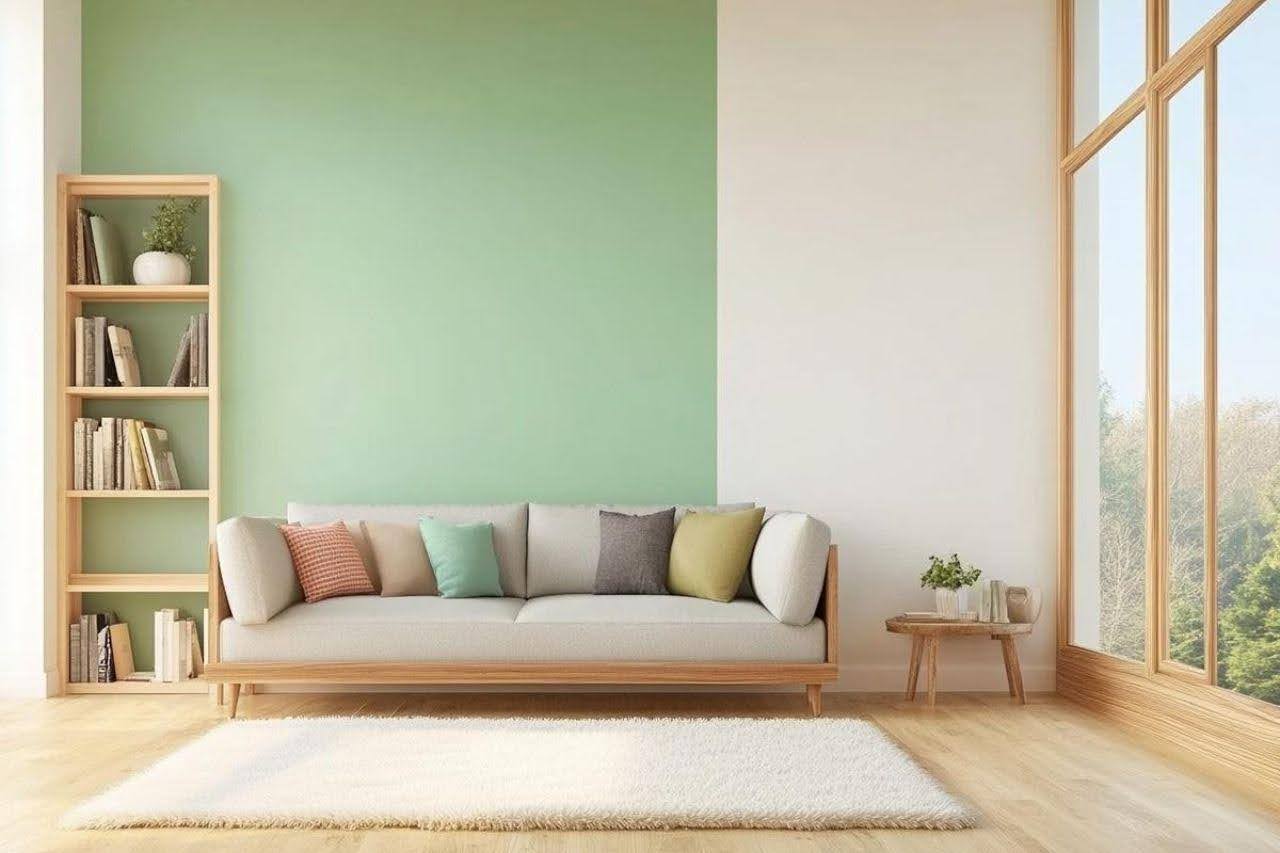
- Green: Natural and refreshing
- Cream: Soft and welcoming
- Terracotta: Warm and distinctive
If you enjoy bold colors, consider using them as accent or feature wall colors instead of covering the entire room.
Select the Right Paint Finish
Paint finish affects both the appearance and durability of your living room walls. Common options include:
- Matte: Soft, non-reflective, and helps hide minor imperfections.
- Eggshell: Subtle sheen and easier to clean than matte.
- Satin: Smooth, slightly glossy, and easy to maintain.
- Semi-gloss: Durable and ideal for trim and high-use areas.
- Gloss: Highly reflective but can highlight imperfections.
For most living rooms, matte, eggshell, or satin finishes are practical choices depending on your walls and maintenance needs.
Consider Durability and Maintenance
Living rooms with frequent activity can develop fingerprints, dust, and stains over time. For busy households, choose a durable, washable paint that makes cleaning easier and keeps the walls looking fresh.
When comparing paint products, look for features such as:
- Washable surfaces
- Stain resistance
- Scuff resistance
- Good coverage
- Low odor
- Easy application
- Long-lasting color
Investing in quality paint can also reduce the need for frequent repainting.
Think About Your Existing Furniture
Consider your existing furniture, rugs, curtains, and artwork when choosing a living room paint color. These elements can help determine which shades will complement the space.
Neutral furniture allows for more colorful walls, while bold furnishings may work better with neutral shades. You can also take inspiration from subtle colors in your existing décor for a coordinated look.
Decide Whether You Want an Accent Wall
An accent wall can add personality and visual interest without requiring you to paint the entire room in a bold color. It can be especially useful if you want to experiment with a darker or more dramatic shade.
Good locations for an accent wall include:
- Behind the television
- Behind the sofa
- Around a fireplace
- On the wall facing the main entrance
- Behind a prominent piece of artwork
Choose a wall that naturally stands out and use a color that complements the rest of the room.
Consider the Ceiling and Trim
The walls are not the only painted surfaces that influence the overall look of your living room. Ceiling and trim colors can also affect the final result.
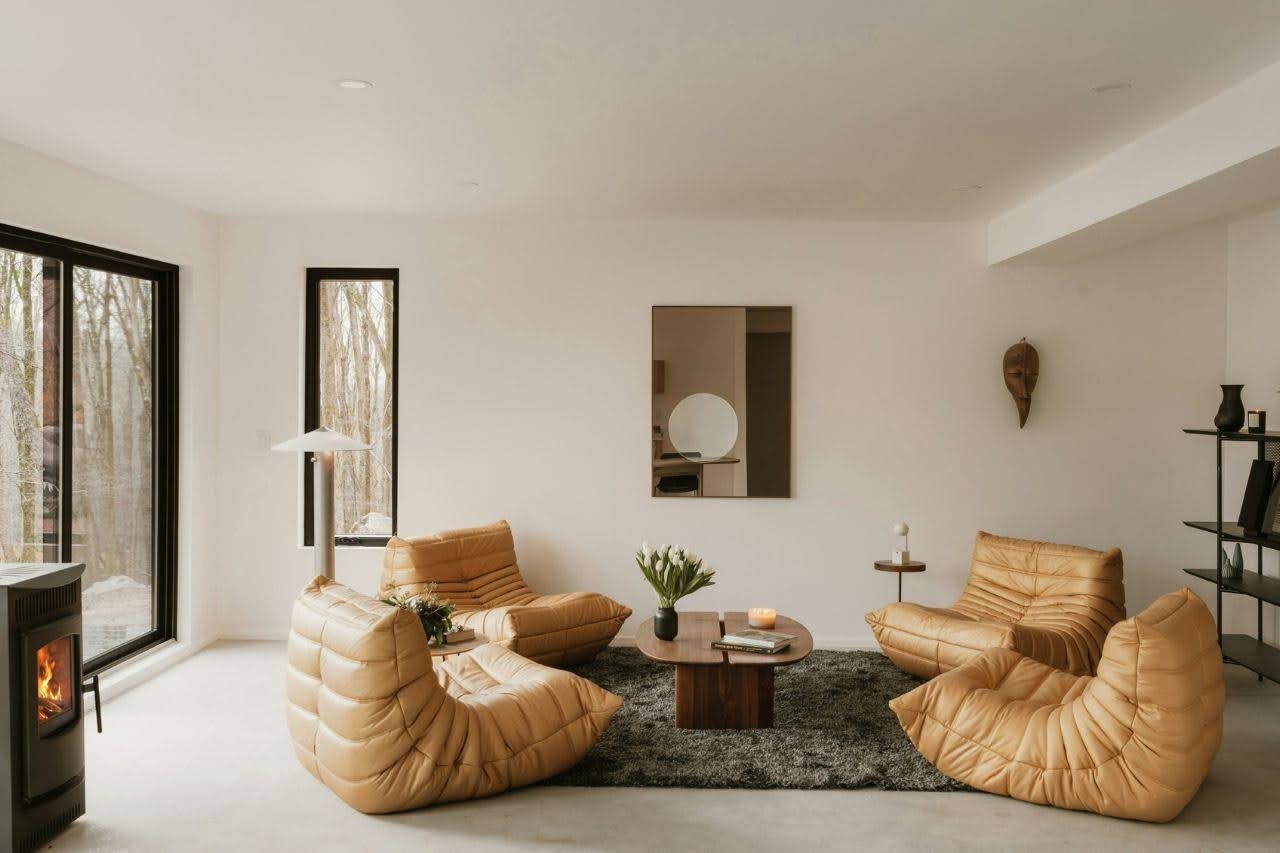
A white or light-colored ceiling can make a room feel taller and brighter. Matching the trim with the walls can create a seamless appearance, while contrasting trim can add definition.
When selecting your living room paint, consider how the wall color will work alongside the ceiling, doors, window frames, and baseboards.
Test Paint Samples Before Making a Decision
One of the easiest ways to avoid choosing the wrong paint color is to test samples before painting the entire room. Paint a small section of the wall or use sample boards to compare different shades.
Observe the samples under:
- Morning sunlight
- Afternoon light
- Evening lighting
- Artificial lights
- Different areas of the room
This step is particularly important because paint can look different depending on lighting, wall texture, surrounding colors, and room furnishings.
Choose Quality Paint for Better Results
While it may be tempting to choose paint based solely on price, quality should also be considered. Higher-quality paint can offer better coverage, color consistency, durability, and ease of application.
A quality product may require fewer coats and provide a more uniform finish. It can also help reduce maintenance and repainting costs over time.
When comparing products, consider the paint's coverage, durability, finish, drying time, odor, and suitability for interior walls.
Conclusion
Choosing the best living room paint requires more than picking a favorite color. Consider the room’s size, natural light, interior style, furniture, desired mood, wall condition, and maintenance needs before deciding.
Neutral shades like white, beige, cream, and gray offer versatility, while blue, green, or terracotta can add personality. Test your chosen colors first to ensure the paint and finish complement your space and create the desired look.