
Close
How to Choose the Best Anti-Slip Floor Paint for Your Property
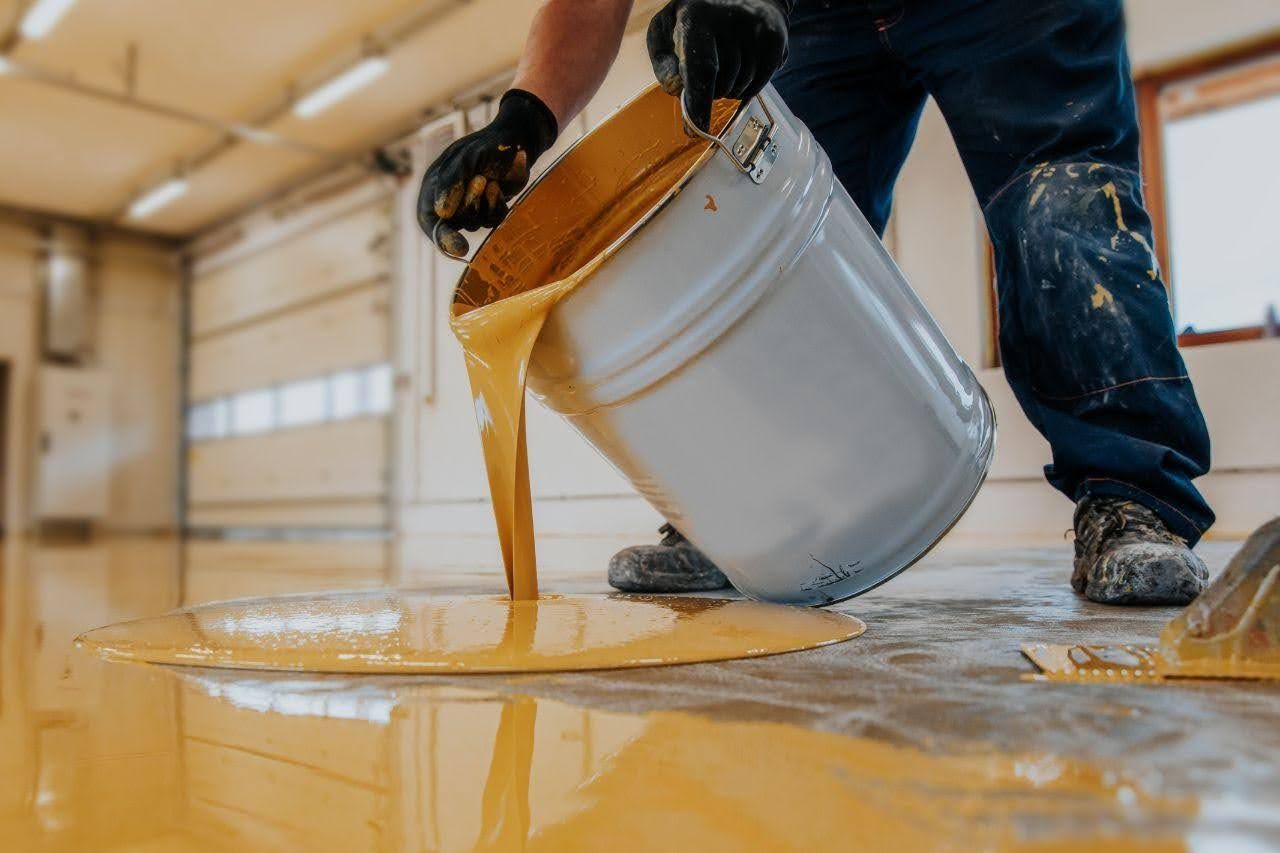
Choosing the right flooring solution is essential for maintaining a safe and functional property. Slippery floors can create serious safety risks, especially in areas exposed to water, oil, chemicals, or heavy foot traffic. Whether for residential, commercial, or industrial areas, the right anti-slip floor paint can enhance safety, improve durability, and create a more attractive surface.
Anti-slip floor paint is designed to provide additional grip and reduce the risk of slips and falls. However, with many products available in the market, selecting the best option requires careful consideration of factors such as floor type, usage requirements, environmental conditions, and maintenance needs.
This guide explains the key factors to consider when choosing the best anti-slip floor paint for your property.
What Is Anti-Slip Floor Paint?
Anti-slip floor paint is a specialized coating designed to create a textured surface that improves traction. Unlike standard floor paint, it contains additives or materials that increase friction, making floors safer even in wet or high-traffic conditions.
It is commonly used in areas such as:
- Factories
- Warehouses
- Garages
- Walkways
- Parking areas
- Commercial kitchens
- Outdoor spaces
- Staircases
By improving floor grip, anti-slip coatings help create safer environments for employees, customers, and residents.
Why Is Anti-Slip Floor Paint Important?
Floor safety is a major concern for many properties. Slippery surfaces can result from various factors, including moisture, spills, grease, and weather conditions.
Installing anti-slip floor paint provides several benefits:
- Reduces slip and fall risks.
- Improves workplace safety.
- Creates better traction in wet areas.
- Protects flooring surfaces from wear.
- Enhances the overall appearance of floors.
- Provides a cost-effective safety solution.
For commercial and industrial properties, anti-slip flooring can also support workplace safety standards and improve operational efficiency.
1. Consider the Type of Surface
The first step in choosing anti-slip floor paint is understanding the type of surface where it will be applied. Different floor materials require different coating solutions to achieve proper adhesion and performance.
Common surfaces include:
Concrete Floors
Concrete is one of the most common surfaces for anti-slip coatings. It is widely used in warehouses, factories, garages, and outdoor areas.
Suitable coatings should provide:
- Strong adhesion
- Resistance to heavy loads
- Protection against wear
Metal Surfaces
Metal floors may require specialized coatings that can withstand corrosion and industrial conditions.
Wooden Floors
Wood surfaces require coatings that maintain grip while protecting the material from moisture damage.
Selecting a paint suitable for the existing surface helps ensure better durability and long-lasting results.
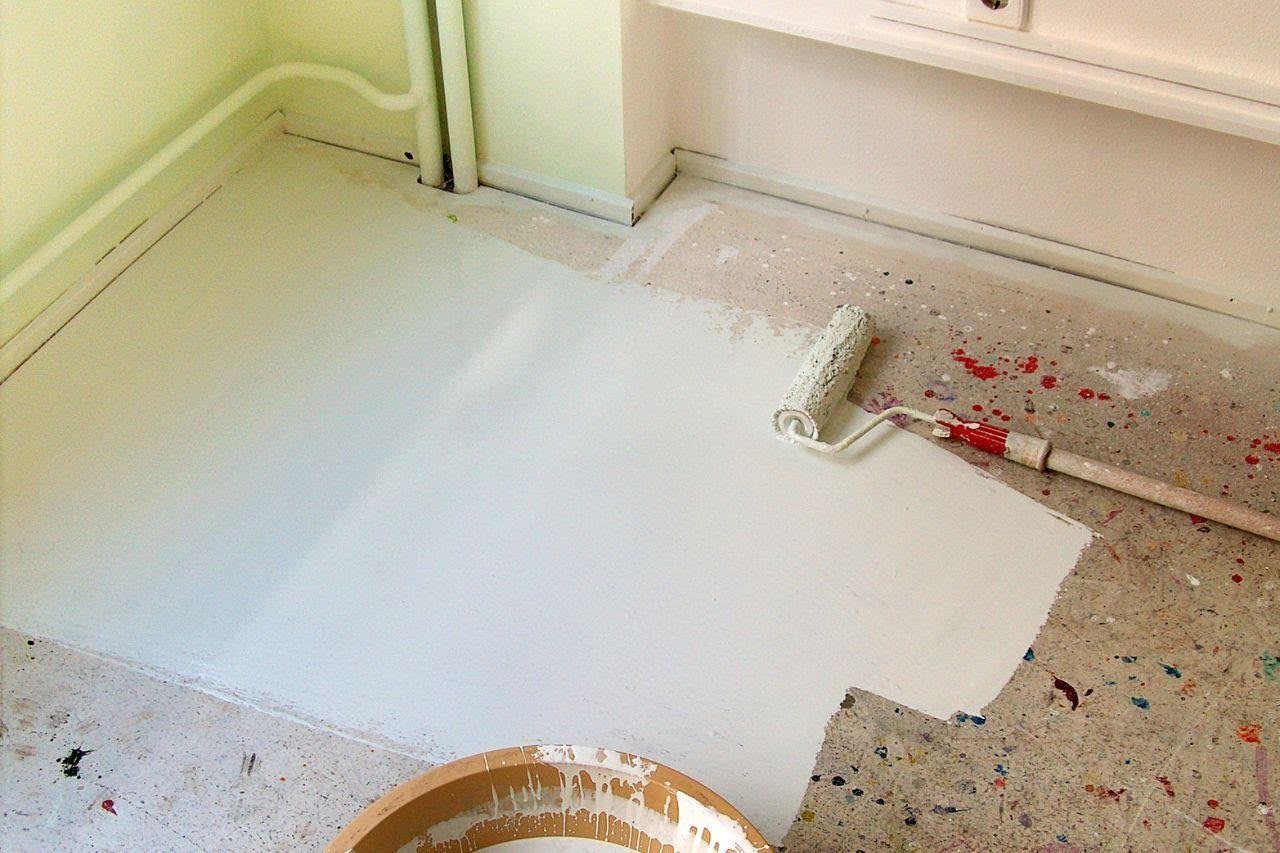
Choosing the right flooring solution is essential for maintaining a safe and functional property. Slippery floors can create serious safety risks, especially in areas exposed to water, oil, chemicals, or heavy foot traffic. Whether for residential, commercial, or industrial areas, the right anti-slip floor paint can enhance safety, improve durability, and create a more attractive surface.
Anti-slip floor paint is designed to provide additional grip and reduce the risk of slips and falls. However, with many products available in the market, selecting the best option requires careful consideration of factors such as floor type, usage requirements, environmental conditions, and maintenance needs.
This guide explains the key factors to consider when choosing the best anti-slip floor paint for your property.
What Is Anti-Slip Floor Paint?
Anti-slip floor paint is a specialized coating designed to create a textured surface that improves traction. Unlike standard floor paint, it contains additives or materials that increase friction, making floors safer even in wet or high-traffic conditions.
It is commonly used in areas such as:
- Factories
- Warehouses
- Garages
- Walkways
- Parking areas
- Commercial kitchens
- Outdoor spaces
- Staircases
By improving floor grip, anti-slip coatings help create safer environments for employees, customers, and residents.
Why Is Anti-Slip Floor Paint Important?
Floor safety is a major concern for many properties. Slippery surfaces can result from various factors, including moisture, spills, grease, and weather conditions.
Installing anti-slip floor paint provides several benefits:
- Reduces slip and fall risks.
- Improves workplace safety.
- Creates better traction in wet areas.
- Protects flooring surfaces from wear.
- Enhances the overall appearance of floors.
- Provides a cost-effective safety solution.
For commercial and industrial properties, anti-slip flooring can also support workplace safety standards and improve operational efficiency.
1. Consider the Type of Surface
The first step in choosing anti-slip floor paint is understanding the type of surface where it will be applied. Different floor materials require different coating solutions to achieve proper adhesion and performance.
Common surfaces include:
Concrete Floors
Concrete is one of the most common surfaces for anti-slip coatings. It is widely used in warehouses, factories, garages, and outdoor areas.
Suitable coatings should provide:
- Strong adhesion
- Resistance to heavy loads
- Protection against wear
Metal Surfaces
Metal floors may require specialized coatings that can withstand corrosion and industrial conditions.
Wooden Floors
Wood surfaces require coatings that maintain grip while protecting the material from moisture damage.
Selecting a paint suitable for the existing surface helps ensure better durability and long-lasting results.
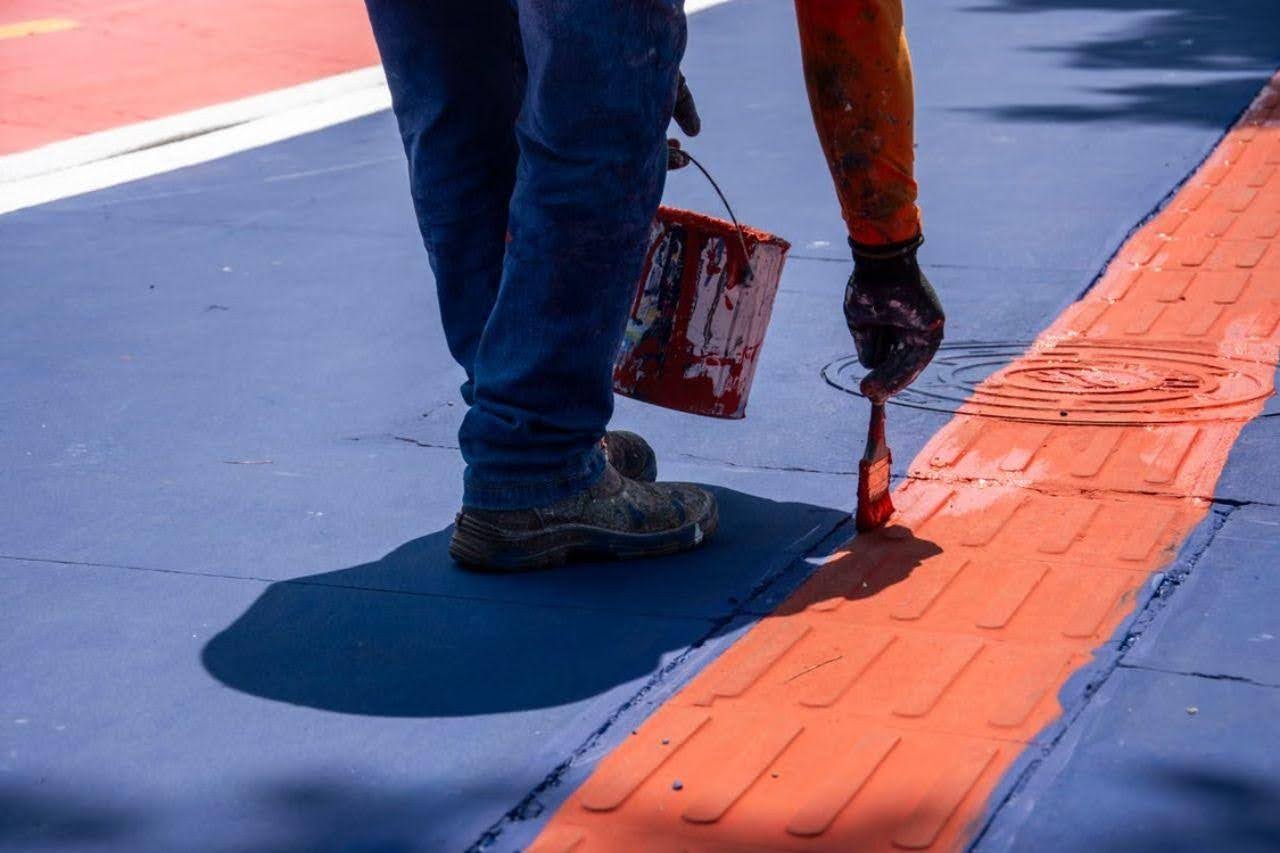
2. Evaluate the Area Usage
The level of activity in an area plays an important role when selecting anti-slip floor paint. Different locations have different requirements.
Low Traffic Areas
For residential spaces or areas with limited movement, a standard anti-slip coating may provide sufficient protection.
Examples:
- Home garages
- Patios
- Walkways
High Traffic Areas
Industrial and commercial spaces require stronger coatings that can withstand constant use.
Examples:
- Warehouses
- Manufacturing facilities
- Loading areas
- Parking lots
Heavy-duty environments may require stronger formulations with enhanced resistance to abrasion and impact.
3. Consider Environmental Conditions
The surrounding environment affects the performance and lifespan of floor coatings. Before choosing a product, consider exposure to:
Moisture and Water
For areas frequently exposed to water, select a coating designed to maintain traction in wet conditions.
Examples:
- Bathrooms
- Pool areas
- Outdoor walkways
- Food processing areas
Chemicals and Oils
Industrial facilities may require coatings that resist:
- Oil spills
- Cleaning chemicals
- Industrial liquids
Temperature Changes
Outdoor surfaces should use coatings that can withstand changing weather conditions, heat, and moisture.
Understanding environmental factors helps prevent premature damage and coating failure.
4. Choose the Right Level of Slip Resistance
Not all anti-slip floor paints provide the same level of traction. The required slip resistance depends on how the area is used.
Factors to consider include:
- Frequency of water exposure
- Foot traffic levels
- Safety requirements
- Type of activities performed
For example, a warehouse floor may require stronger anti-slip properties compared to a residential walkway.
Choosing the appropriate level of grip helps balance safety and practicality.
5. Select a Durable Coating Material
The durability of anti-slip floor paint depends on the coating material used.
Common options include:
Epoxy Anti-Slip Coatings
Epoxy coatings are popular for industrial applications because they provide:
- Excellent durability
- Strong adhesion
- Chemical resistance
- Long service life
They are commonly used in factories, warehouses, and workshops.
Polyurethane Coatings
Polyurethane coatings offer flexibility and resistance against:
- UV exposure
- Weather conditions
- Chemical damage
They are suitable for both indoor and outdoor applications.
Acrylic Floor Paint
Acrylic coatings are often chosen for lighter applications because they are easy to apply and maintain.
Selecting the right coating material ensures better performance based on your property's needs.
6. Consider Maintenance Requirements
A good anti-slip floor paint should provide safety without creating unnecessary maintenance challenges.
Consider:
- How often the floor needs cleaning.
- The type of cleaning products used.
- Whether repairs can be completed easily.
- The expected lifespan of the coating.
Smooth yet textured surfaces are often easier to maintain because they provide traction while allowing efficient cleaning.