
Close
How to Choose the Best Anti-Fungus Wall Paint for Your Home
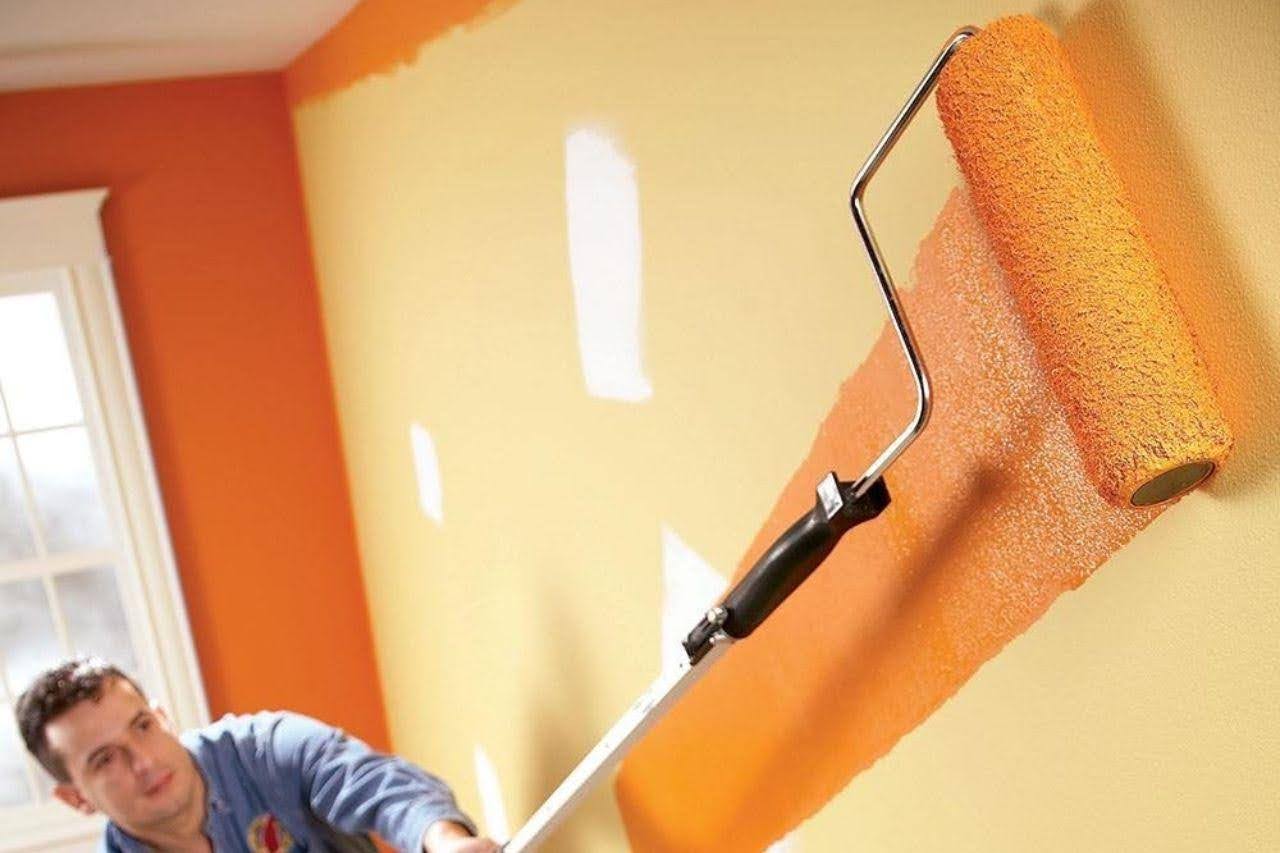
Fungus and mold can become common problems in homes affected by high humidity, condensation, poor ventilation, or persistent moisture. They can appear as dark patches, discoloration, or spots on walls and ceilings, making interior spaces look unclean and poorly maintained. If left untreated, recurring fungal growth can also contribute to peeling paint and surface deterioration.
Choosing the right anti-fungus wall paint can provide additional protection for walls in moisture-prone areas. However, selecting a suitable product involves more than choosing paint with an anti-fungal label. Homeowners should consider the room, wall condition, moisture levels, paint properties, finish, coverage, and application requirements before making a decision.
Consider the Room Where the Paint Will Be Used
Different rooms have different moisture levels, with bathrooms, kitchens, laundry areas, and poorly ventilated spaces often experiencing higher humidity.
Consider:
- Room humidity levels
- Condensation
- Ventilation
- Moisture exposure
- Paint suitability for humid environments
Look for Anti-Fungal Protection
One of the most important factors is the product's ability to resist fungal growth. Check the manufacturer's product information to understand whether the paint is specifically formulated to help protect against fungus, mold, or mildew.
Anti-fungal paint can help protect the painted surface, but it should not be treated as a complete solution for serious moisture problems. Persistent leaks, water seepage, and condensation should also be addressed.
Check the Condition of the Wall
Wall preparation can significantly affect the performance of new paint. Painting over dirty, damp, peeling, or damaged surfaces may result in poor adhesion and an uneven finish.
Before painting, inspect the wall for:
- Existing fungus or mold
- Cracks
- Peeling paint
- Water stains
- Damp patches
- Flaking surfaces
- Dirt and dust
Any major surface problems should be addressed before applying a new coating.
Remove Existing Fungus Before Painting
If fungal growth is already visible, it should be properly cleaned before repainting. Simply applying fresh paint over affected areas may temporarily hide the problem without addressing the cause.
The surface should be cleaned using an appropriate method and allowed to dry completely. If fungal growth keeps returning, check for underlying moisture sources such as plumbing leaks, poor ventilation, condensation, or water seepage.
Consider Moisture Resistance
Moisture resistance is particularly important when choosing paint for bathrooms, kitchens, and other humid areas. Walls exposed to frequent moisture may deteriorate more quickly when coated with unsuitable products.
Check the manufacturer's specifications to determine whether the paint is suitable for the intended environment. Keep in mind that moisture-resistant paint works best when combined with proper ventilation and moisture control.
Choose a Suitable Paint Finish
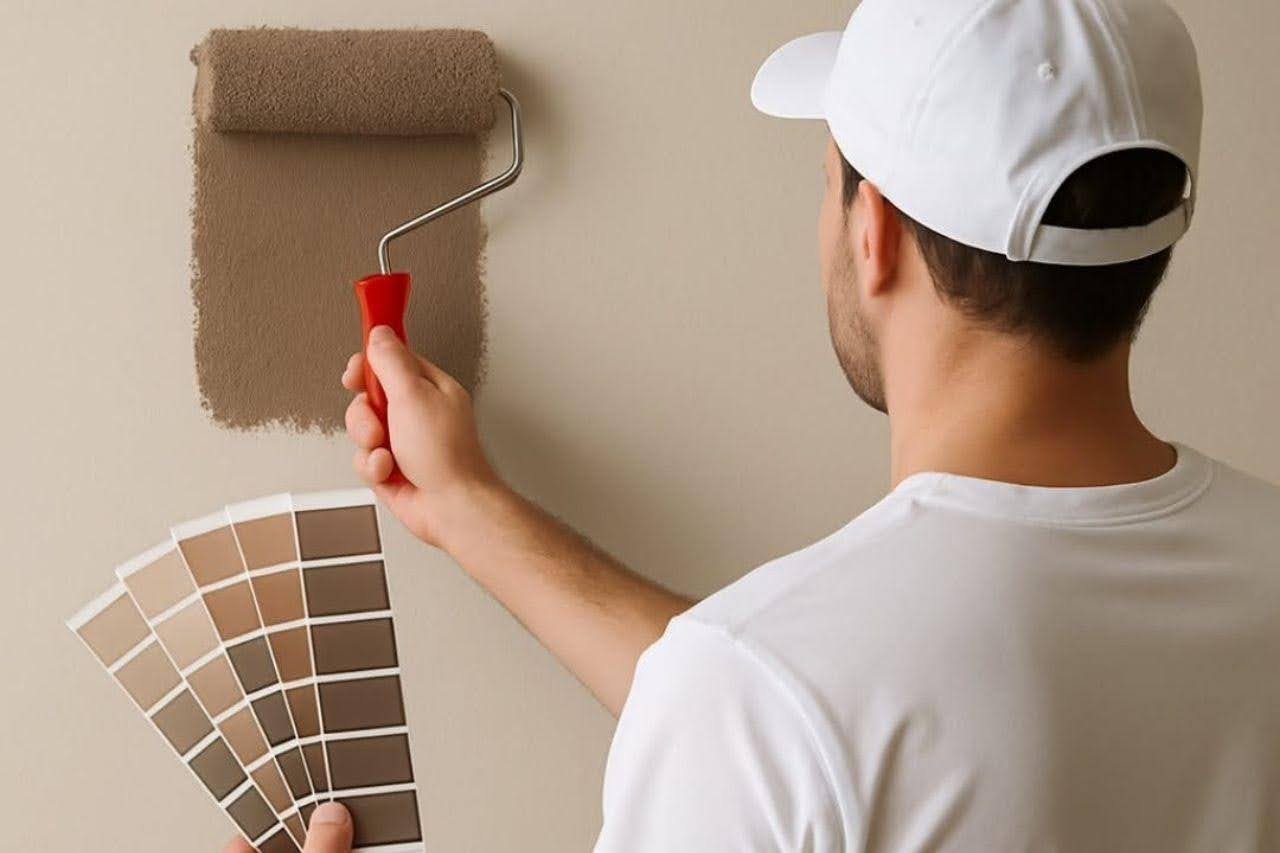
The paint finish affects both appearance and maintenance, with washable finishes often being more practical for frequently cleaned areas.
Consider:
- Matte finish for a softer look
- Satin finish for easier cleaning
- Washable finishes for kitchens and bathrooms
- Durable finishes for busy areas
Check Durability
Durability is another important consideration when comparing anti-fungus wall paints. A durable coating can help maintain the wall's appearance and reduce the need for frequent repainting.
Consider how well the product is designed to withstand:
- Moisture
- Regular cleaning
- Staining
- Peeling
- General household wear
The best choice depends on the room's conditions and how frequently the walls need to be cleaned.
Consider Washability
Walls can collect dust, dirt, cooking residue, and other marks over time. Washable paint can make routine maintenance easier, especially in kitchens, children's rooms, hallways, and other high-use areas.
However, always follow the manufacturer's cleaning recommendations. Harsh cleaning products or excessive scrubbing may affect the paint finish.
Match the Paint to the Wall Surface
Different wall surfaces may require specific coating solutions depending on their material and condition. Common surfaces include concrete, plaster, drywall, and previously painted walls.
Check whether the selected anti-fungus paint is suitable for the existing surface. Porosity, texture, previous coatings, and surface condition can all affect adhesion and coverage.
Using the correct primer or preparation method where recommended can also improve the final result.
Check Paint Coverage
Coverage indicates how much surface area can be painted with a specific amount of product. However, actual coverage may vary depending on the wall condition, surface porosity, application method, and number of coats.
Porous or uneven walls may require more paint than smooth, properly prepared surfaces. Review the manufacturer's coverage information before purchasing to estimate the amount required.
Consider Drying and Recoating Time
Drying time varies by product and can be affected by temperature, humidity, and ventilation. Follow the manufacturer's recommended drying and recoating times.
Keep in mind:
- Allow each coat to dry fully
- Consider room humidity
- Ensure proper ventilation
- Avoid recoating too early
Choose a Suitable Color
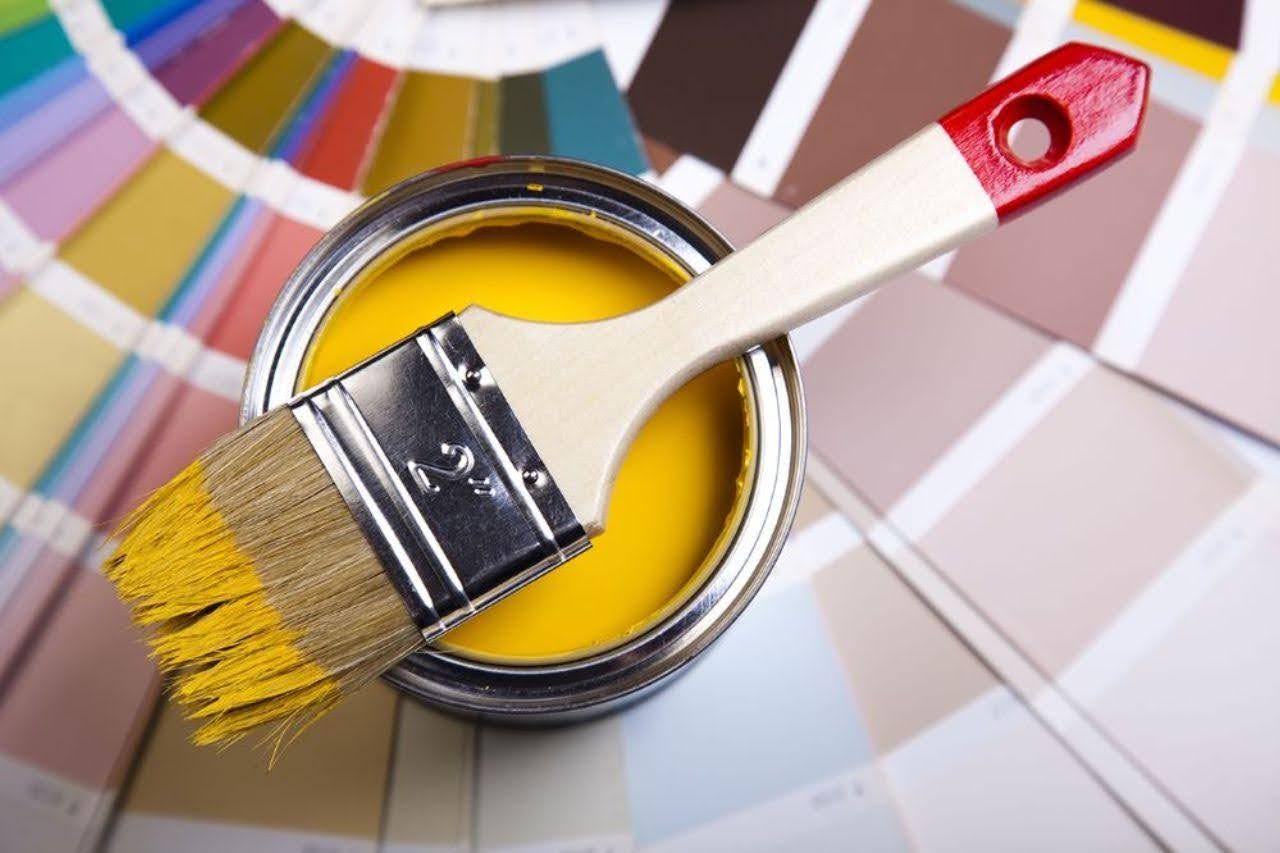
Color is also important when choosing anti-fungus wall paint, as it can complement the overall interior design.
Consider:
- Room size and natural lighting
- Furniture and flooring
- Existing décor
- Neutral shades for versatility
- Lighter colors for a brighter, more spacious feel
Check Application Requirements
Before purchasing paint, review the manufacturer's instructions. Some products may require specific primers, surface preparation methods, tools, or application techniques.
Important details may include:
- Recommended primer
- Number of coats
- Surface preparation
- Application tools
- Drying time
- Suitable environmental conditions
Following the recommended application process can help improve the coating's performance.
Consider Professional Painting Services
Homeowners can handle small painting projects, but professional application may be better for larger areas or damaged walls.
Professionals can help with:
- Surface preparation
- Paint selection
- Proper application
- Finishing
- Identifying underlying moisture issues
Compare Quality and Long-Term Value
Price should not be the only factor when selecting anti-fungus wall paint. A cheaper product may have lower coverage, durability, or suitability for humid conditions.
When comparing products, consider:
- Anti-fungal properties
- Moisture resistance
- Coverage
- Durability
- Washability
- Finish
- Application requirements
- Expected maintenance needs
A quality product may provide better long-term value if it reduces the need for frequent repainting.
Choose a Reliable Paint Supplier
Buying from a reliable paint supplier can help you choose a suitable product and understand its specifications.
Consider:
- Product suitability
- Surface compatibility
- Coverage and finish
- Application requirements
- Professional product advice
If you are uncertain about which product to choose, discuss your home's conditions with the supplier before making a purchase.
Final Thoughts
Choosing the best anti-fungus wall paint for your home involves considering the room's humidity, wall condition, moisture exposure, paint durability, washability, coverage, finish, and application requirements.
However, paint should be part of a broader moisture-control strategy. Proper ventilation, surface preparation, leak repairs, and regular inspections can all contribute to better long-term results.
By selecting a suitable anti-fungal coating and applying it correctly, homeowners can improve wall protection, maintain a cleaner appearance, and better manage fungal growth in moisture-prone areas.