
Close
How Anti-Slip Floor Paint Helps Improve Workplace Safety
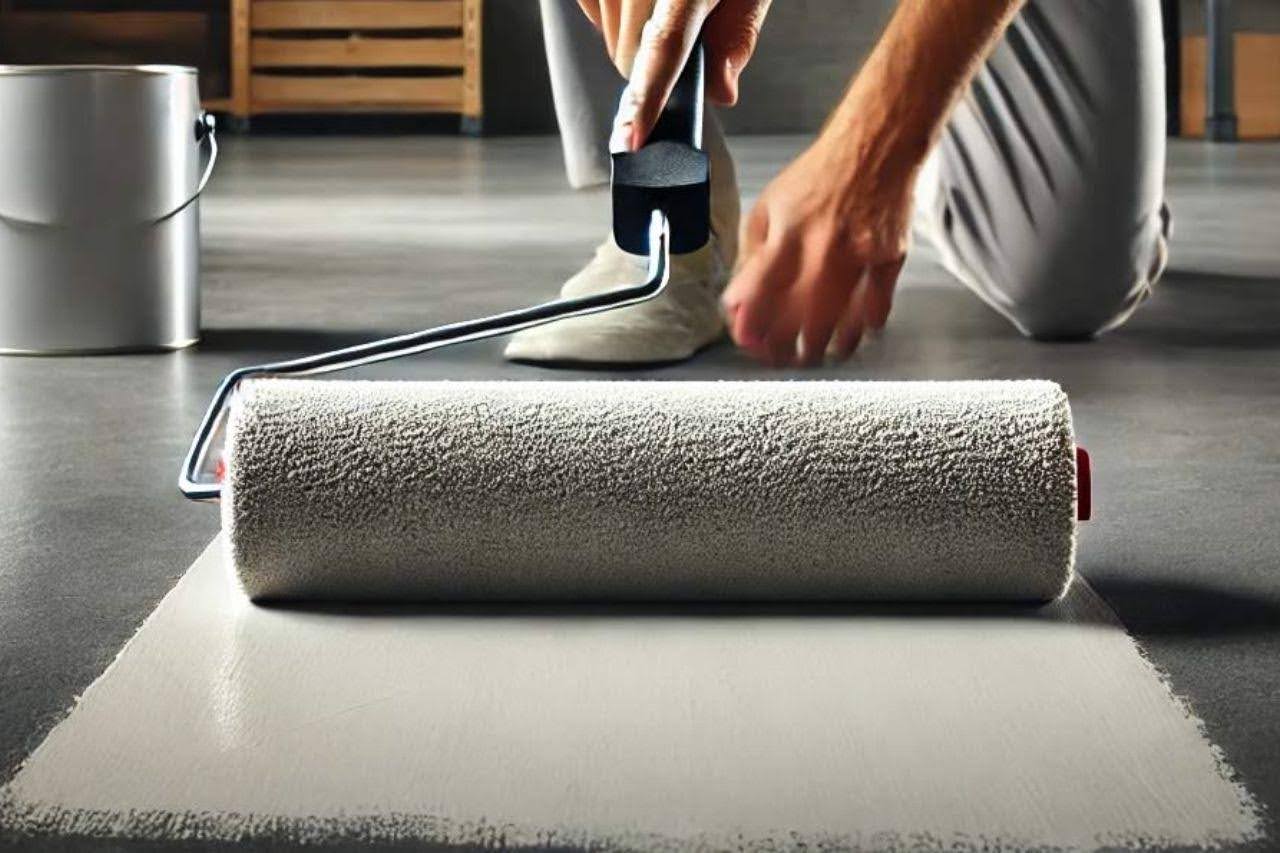
Workplace safety is essential in commercial and industrial environments, especially where floors are exposed to water, oil, uneven surfaces, or heavy traffic. Slippery floors can increase the risk of slips and falls, potentially causing injuries and disrupting daily operations.
One effective way to improve floor safety is by using anti-slip floor paint . Its textured surface provides additional traction, helping create a safer walking area when properly selected and applied.
What Is Anti-Slip Floor Paint?
Anti-slip floor paint is a specialized coating that provides better traction through a textured surface. It is available for various materials, including concrete, metal, wood, and masonry, and comes in different colors and finishes to improve both safety and appearance.
Common areas where anti-slip floor paint may be used include:
- Warehouses
- Workshops
- Factories
- Garages
- Commercial kitchens
- Loading areas
- Walkways
- Stairs and ramps
- Storage facilities
- Industrial work areas
How Does Anti-Slip Floor Paint Improve Safety?
The primary purpose of anti-slip floor paint is to increase traction between footwear and the floor. A smooth floor can become particularly slippery when water, oil, grease, cleaning solutions, or other liquids are present.
The textured surface created by an anti-slip coating can provide additional grip under appropriate conditions. This can help workers maintain better footing when walking or moving around the workplace.
However, anti-slip paint should be considered one part of a broader workplace safety strategy. Good housekeeping, proper drainage, appropriate footwear, lighting, and regular inspections are also important.
Reduces the Risk of Slips and Falls
Slips and falls can happen in almost any workplace, especially where floors are frequently exposed to moisture or contaminants.
Areas such as commercial kitchens, workshops, warehouses, and manufacturing facilities may experience spills throughout the day. A smooth floor can become hazardous when these substances are not removed quickly.
Anti-slip floor paint provides extra traction, helping reduce the risk of slips as employees move across treated areas. While it cannot eliminate every risk, a properly selected coating can contribute to a safer working environment.
Helps Manage Wet Areas
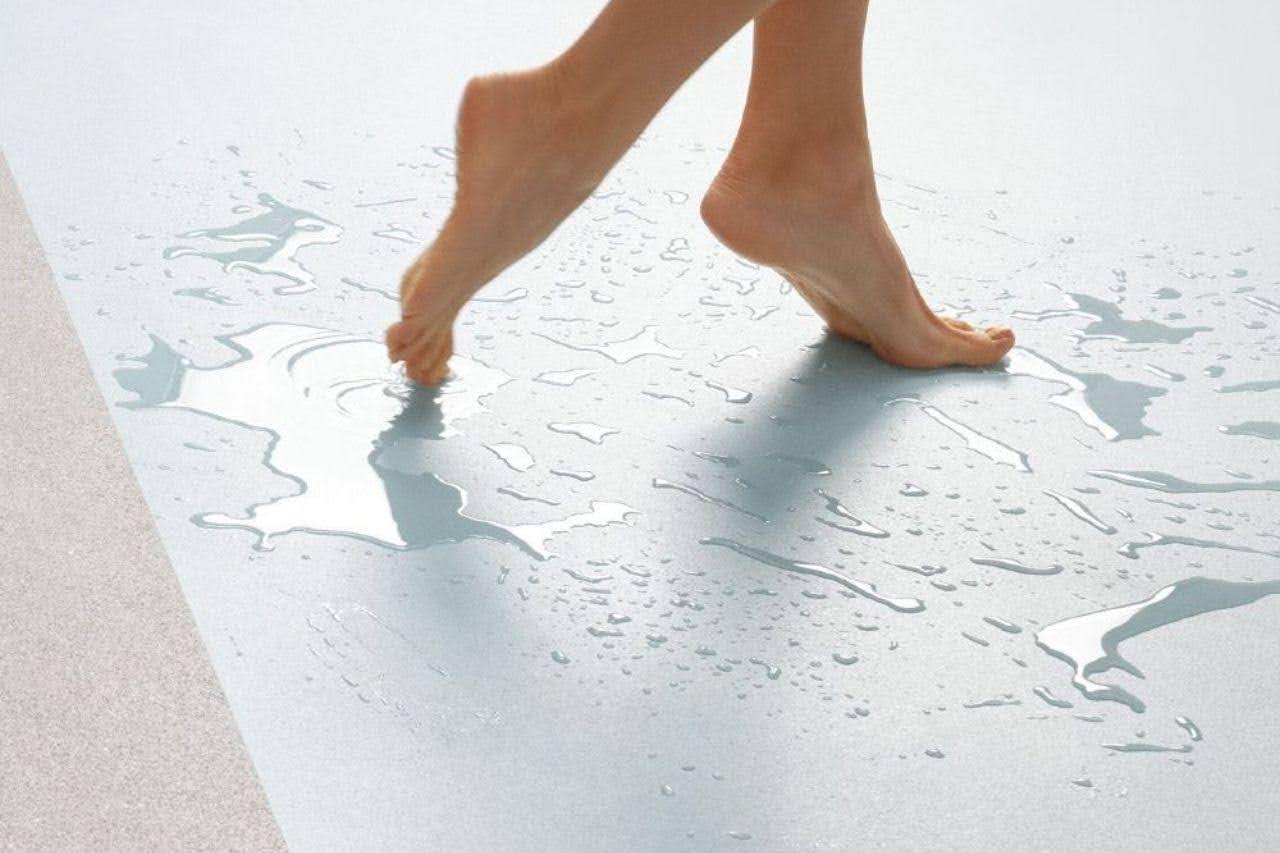
Water is one of the most common causes of slippery flooring. Entrances, kitchens, wash areas, bathrooms, outdoor walkways, and industrial facilities may regularly experience wet conditions.
Anti-slip coatings can be particularly useful in these areas because their textured finish can provide better traction than a smooth painted surface.
Businesses should still address the source of moisture whenever possible. Proper drainage, regular cleaning, floor mats, and quick spill management should complement anti-slip flooring for better overall safety.
Provides Better Traction in High-Traffic Areas
High-traffic areas can experience significant wear throughout the day. Employees may frequently walk between workstations, storage areas, machinery, entrances, and other parts of a facility.
Using anti-slip floor paint in selected high-traffic areas can provide additional grip while also helping define work zones.
Businesses can also use different floor colors to visually distinguish walkways, work areas, storage zones, or restricted spaces. This can support better organization and help employees navigate the workplace.
Useful for Industrial and Commercial Environments
Different workplaces face unique flooring challenges, from oil and chemicals in industrial areas to water and food residue in commercial kitchens. Choosing an anti-slip floor paint designed for the specific environment is essential for effective performance.
Before choosing a coating, consider:
- Type of flooring
- Level of foot traffic
- Exposure to water or chemicals
- Temperature conditions
- Cleaning methods
- Expected level of wear
- Required level of slip resistance
A coating designed for the specific environment is more likely to deliver reliable performance when applied correctly.
Improves Floor Visibility
Safety is not only about traction. Floor color and markings can also help employees identify different areas within a facility.
Anti-slip floor paint is available in various colors, allowing businesses to create visual distinctions between work zones and walkways. Bright or contrasting colors may help draw attention to designated areas when used as part of an overall safety system.
For example, businesses can use different colors to identify pedestrian routes, equipment zones, loading areas, or restricted spaces.
Clear floor markings and visual organization can help employees navigate the workplace more safely and efficiently.
Adds Protection to the Floor
In addition to improving traction, some anti-slip floor coatings can provide a protective layer over the underlying surface.
Depending on the product, a coating may help protect floors against abrasion, dirt, stains, moisture, and certain chemicals. This can be particularly useful in workplaces where floors are exposed to frequent use.
A protected floor may also be easier to clean and maintain than an uncoated surface. However, the level of protection depends on the specific coating and its intended application.
Supports Easier Cleaning and Maintenance
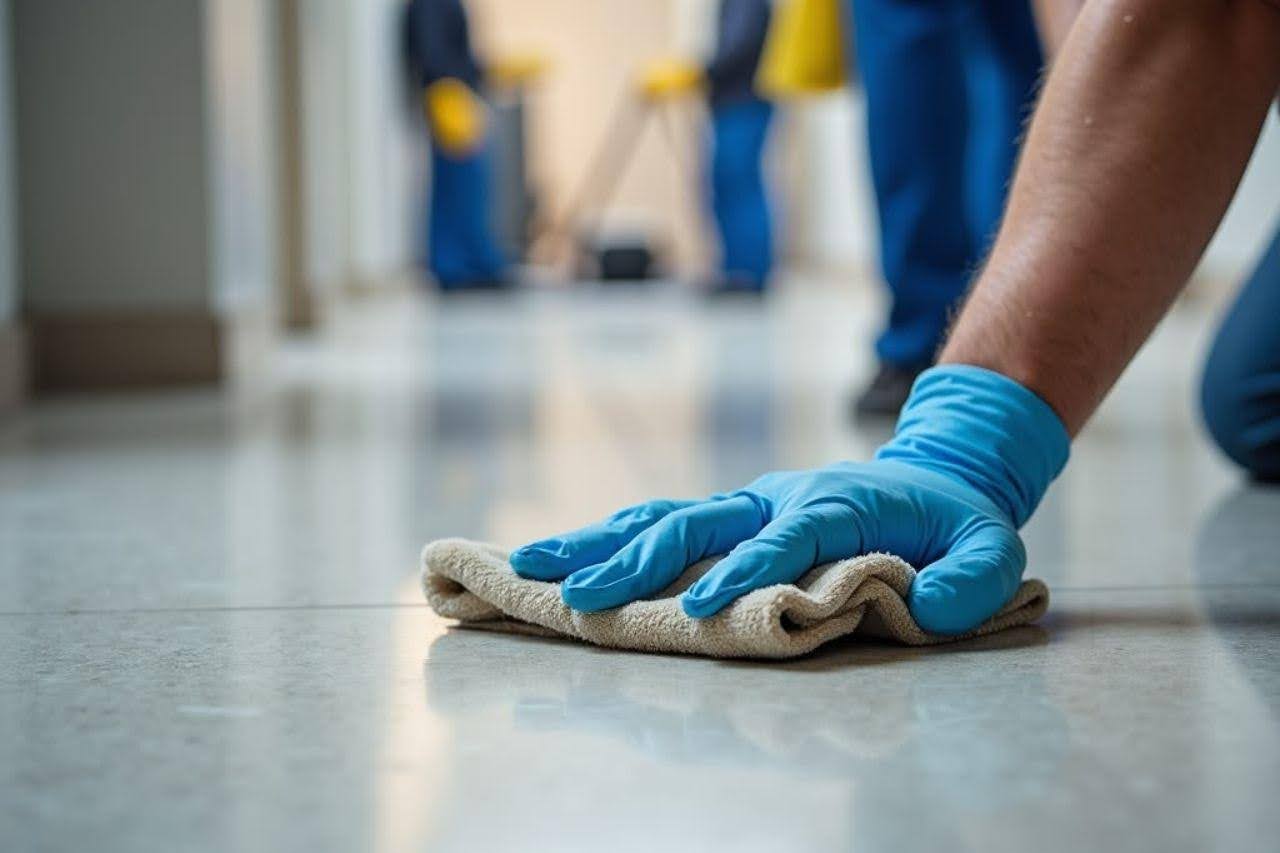
Regular cleaning is essential for keeping workplace floors safe and hygienic. Dirt, grease, and oil can create slippery conditions, while properly maintained anti-slip coatings can make routine cleaning easier and more effective.
Regular maintenance should include:
- Removing spills promptly
- Sweeping away dirt and debris
- Cleaning according to manufacturer recommendations
- Inspecting damaged areas
- Repairing worn or peeling coating
- Reapplying the coating when necessary
Keeping the floor clean is essential because even an anti-slip surface can become hazardous when covered with oil, grease, or other contaminants.
Proper Surface Preparation Is Essential
Proper surface preparation is essential for anti-slip floor paint to perform effectively. The surface should be cleaned, repaired, and dried, as dirt, grease, loose paint, or damaged concrete can affect adhesion and performance.
Important preparation steps may include:
- Removing dirt and grease
- Repairing cracks or damaged areas
- Removing loose or peeling coatings
- Ensuring the surface is dry
- Preparing the surface according to manufacturer instructions
For larger industrial or commercial projects, professional installation may help ensure the coating is applied correctly.
Choose the Right Level of Slip Resistance
Not every anti-slip coating provides the same level of traction. The right level depends on the workplace environment and the conditions the floor is likely to experience.
Different workplaces require different levels of slip resistance, with offices generally needing less traction than kitchens, ramps, or workshops.
When selecting anti-slip floor paint, consider the expected conditions and follow the manufacturer's recommendations. Excessively aggressive textures may also make cleaning or movement of certain equipment more difficult, so the coating should be appropriate for its intended use.
Conclusion
Anti-slip floor paint can enhance workplace safety by increasing traction and helping minimize slip risks in areas exposed to moisture, oil, grease, and heavy foot traffic. It is suitable for warehouses, factories, workshops, kitchens, garages, and walkways.
For the best results, select a suitable coating, prepare the surface correctly, and keep the floor well maintained. Combining anti-slip flooring with good housekeeping, proper footwear, and adequate lighting can help create a safer workplace .