
Close
Epoxy Coating vs Traditional Floor Paint: Which Is Better?
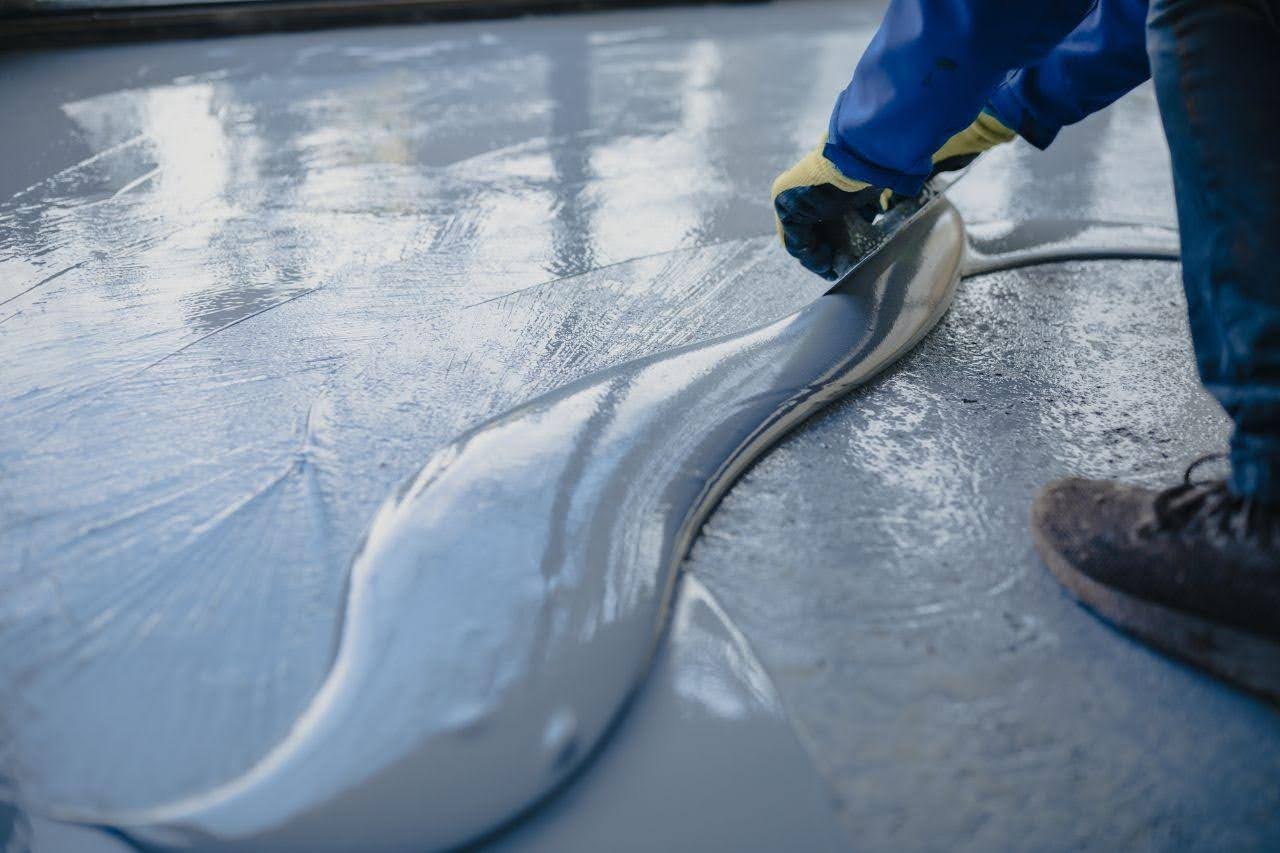
Choosing the right floor coating is important for protecting your flooring, improving its appearance, and reducing long-term maintenance. Two popular options are epoxy coating and traditional floor paint. Both options can improve and protect your floor, but they differ in durability, resistance, application, and overall cost.
If you are deciding between the two, it is important to understand how each option performs in different environments. Epoxy coating is generally designed for demanding applications, while traditional floor paint is often preferred for simpler and more budget-friendly projects.
What Is Epoxy Coating?
Epoxy coating combines resin and a hardener to create a strong, durable floor surface. It is commonly used in garages, warehouses, workshops, factories, commercial kitchens, and other high-traffic areas.
Some of the main benefits of epoxy coating include:
- Strong adhesion to properly prepared concrete surfaces
- High resistance to abrasion and impact
- Resistance to many chemicals, oils, and stains
- Easy-to-clean and relatively seamless surface
- Wide range of colors and decorative finishes
- Suitable for areas with heavy foot or vehicle traffic
- Option to add anti-slip aggregates for improved traction
Because of these properties, epoxy coating is often selected for both commercial and industrial flooring applications.
What Is Traditional Floor Paint?
Traditional floor paint provides both decorative appeal and basic protection for flooring surfaces. Available in various formulations, it is generally easier to apply than epoxy because it does not require mixing resin and hardener. It can be applied with a roller or brush, making it a convenient option for many residential and light-use areas.
Traditional floor paint can be suitable for:
- Residential floors with light traffic
- Storage rooms
- Low-use utility areas
- Patios and covered outdoor areas
- Small renovation projects
- Floors where a quick cosmetic improvement is needed
However, traditional floor paint typically does not provide the same level of protection and long-term durability as a properly installed epoxy coating.
Epoxy Coating vs Traditional Floor Paint: Key Differences
When comparing epoxy coating and traditional floor paint, several factors should be considered before making a decision.
1. Durability
Durability is one of the most significant advantages of epoxy coating. Once fully cured, epoxy creates a hard surface that can withstand considerable wear. It is especially suitable for areas that experience vehicles, machinery, heavy foot traffic, and regular equipment movement.
Traditional floor paint is generally more vulnerable to scratching, chipping, peeling, and general wear. High-traffic areas may require more frequent touch-ups or repainting.
Best choice for durability: Epoxy coating
2. Chemical and Stain Resistance
Floors in garages, workshops, factories, and commercial facilities may come into contact with oil, grease, cleaning products, and other chemicals.
Epoxy coatings are available in formulations that provide strong resistance to many common chemicals and stains. This makes them suitable for environments where spills are a regular concern.
Traditional floor paint can provide some protection, but its performance depends on the specific formulation. Certain chemicals and prolonged exposure to moisture can cause painted surfaces to deteriorate.
Best choice for chemical resistance: Epoxy coating
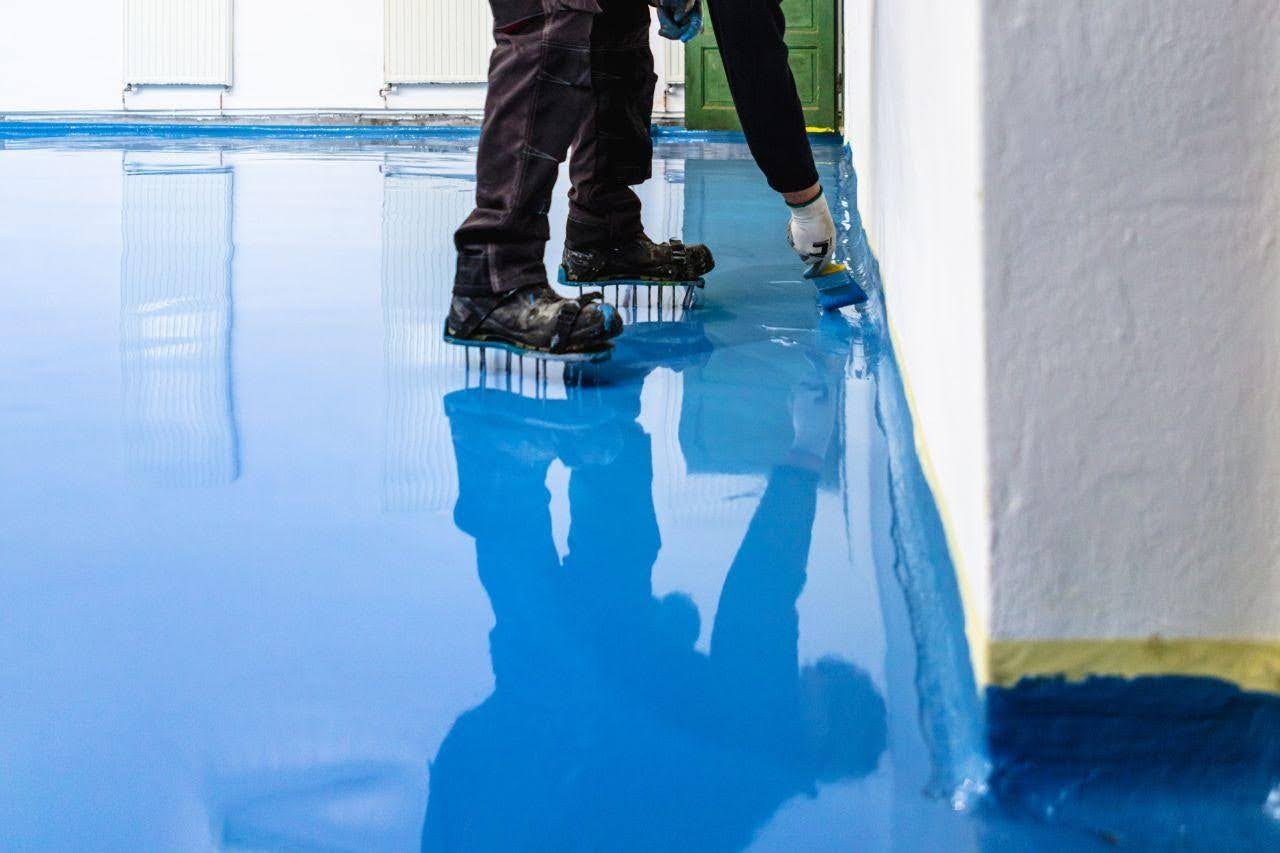
Choosing the right floor coating is important for protecting your flooring, improving its appearance, and reducing long-term maintenance. Two popular options are epoxy coating and traditional floor paint. Both options can improve and protect your floor, but they differ in durability, resistance, application, and overall cost.
If you are deciding between the two, it is important to understand how each option performs in different environments. Epoxy coating is generally designed for demanding applications, while traditional floor paint is often preferred for simpler and more budget-friendly projects.
What Is Epoxy Coating?
Epoxy coating combines resin and a hardener to create a strong, durable floor surface. It is commonly used in garages, warehouses, workshops, factories, commercial kitchens, and other high-traffic areas.
Some of the main benefits of epoxy coating include:
- Strong adhesion to properly prepared concrete surfaces
- High resistance to abrasion and impact
- Resistance to many chemicals, oils, and stains
- Easy-to-clean and relatively seamless surface
- Wide range of colors and decorative finishes
- Suitable for areas with heavy foot or vehicle traffic
- Option to add anti-slip aggregates for improved traction
Because of these properties, epoxy coating is often selected for both commercial and industrial flooring applications.
What Is Traditional Floor Paint?
Traditional floor paint provides both decorative appeal and basic protection for flooring surfaces. Available in various formulations, it is generally easier to apply than epoxy because it does not require mixing resin and hardener. It can be applied with a roller or brush, making it a convenient option for many residential and light-use areas.
Traditional floor paint can be suitable for:
- Residential floors with light traffic
- Storage rooms
- Low-use utility areas
- Patios and covered outdoor areas
- Small renovation projects
- Floors where a quick cosmetic improvement is needed
However, traditional floor paint typically does not provide the same level of protection and long-term durability as a properly installed epoxy coating.
Epoxy Coating vs Traditional Floor Paint: Key Differences
When comparing epoxy coating and traditional floor paint, several factors should be considered before making a decision.
1. Durability
Durability is one of the most significant advantages of epoxy coating. Once fully cured, epoxy creates a hard surface that can withstand considerable wear. It is especially suitable for areas that experience vehicles, machinery, heavy foot traffic, and regular equipment movement.
Traditional floor paint is generally more vulnerable to scratching, chipping, peeling, and general wear. High-traffic areas may require more frequent touch-ups or repainting.
Best choice for durability: Epoxy coating
2. Chemical and Stain Resistance
Floors in garages, workshops, factories, and commercial facilities may come into contact with oil, grease, cleaning products, and other chemicals.
Epoxy coatings are available in formulations that provide strong resistance to many common chemicals and stains. This makes them suitable for environments where spills are a regular concern.
Traditional floor paint can provide some protection, but its performance depends on the specific formulation. Certain chemicals and prolonged exposure to moisture can cause painted surfaces to deteriorate.
Best choice for chemical resistance: Epoxy coating
When Should You Choose Epoxy Coating?
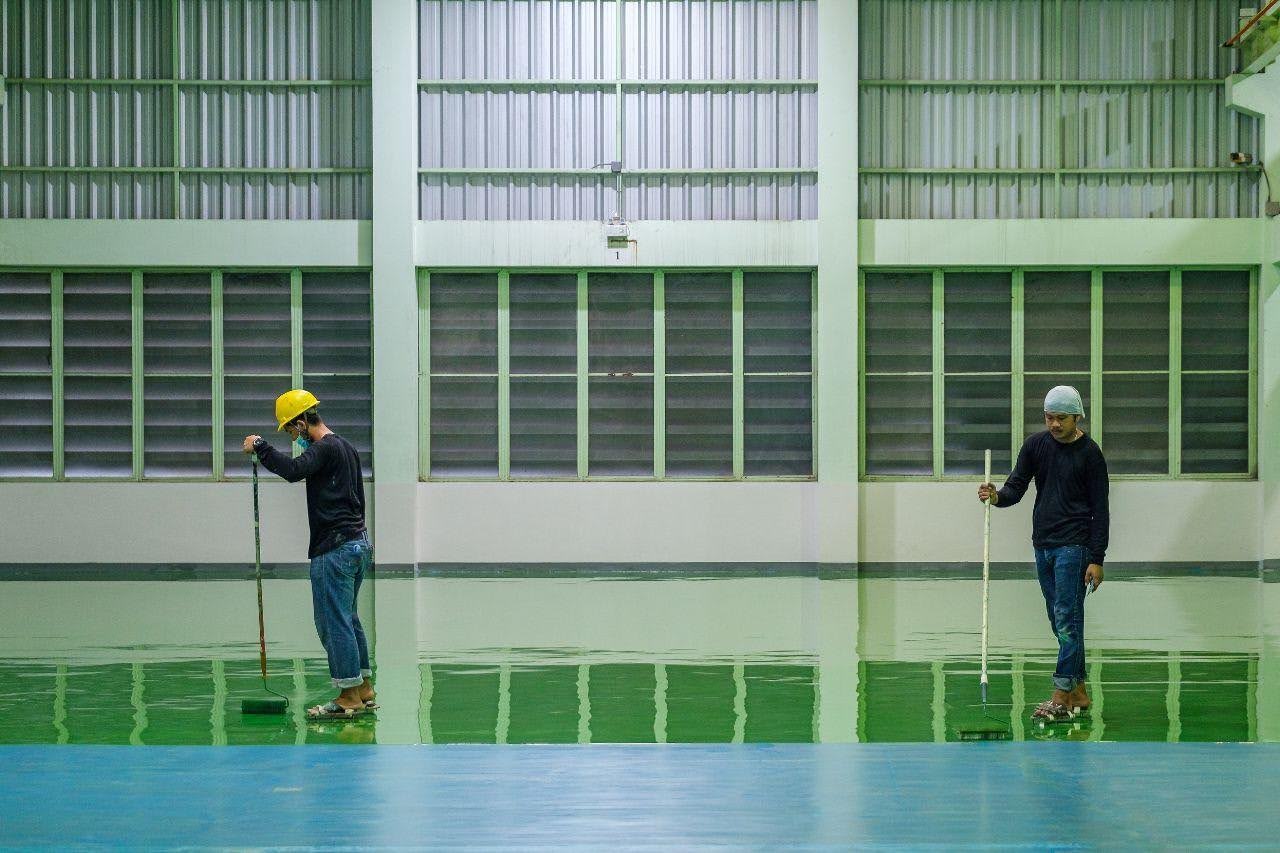
Epoxy coating is a great choice for floors exposed to heavy traffic, vehicles, oil, chemicals, and regular wear. It provides a durable, professional, and easy-to-maintain finish, making it suitable for garages, commercial spaces, and industrial environments.
Consider epoxy coating if you need:
- High durability for heavy traffic
- Resistance to oil, chemicals, and stains
- Slip resistance for improved safety
- Long-term protection with minimal maintenance
When Should You Choose Traditional Floor Paint?
Traditional floor paint is a practical, affordable option for light-use areas where extreme durability is not required. It works well for simple decorative updates and budget-friendly renovations.
It may be suitable for:
- Light to moderate traffic
- Limited budgets
- Basic decorative improvements
- Low chemical exposure
- Areas where occasional touch-ups are acceptable
Important Factors to Consider Before Choosing
Before choosing a floor coating , consider the floor’s condition, traffic level, exposure, maintenance needs, and budget. Consider moisture, safety, and your preferred color or finish to ensure the coating meets the environment’s needs and delivers long-lasting performance.
Key factors include:
- Floor condition: Repair cracks, damage, and moisture issues first.
- Traffic and exposure: Choose a durable coating for heavy traffic or chemical exposure.
- Maintenance and budget: Consider both upfront and long-term costs.
- Safety and appearance: Select an anti-slip finish and a suitable color or texture.
Conclusion: Which Is Better?
Epoxy coating is often the better long-term choice for demanding environments because it offers greater durability, chemical resistance, stain resistance, and protection. It is ideal for heavy-traffic areas such as garages, workshops, commercial spaces, and industrial facilities.
Traditional floor paint can be a practical option for light-use areas, simple renovations, and projects with a limited budget. Ultimately, the right choice depends on your flooring needs, traffic level, exposure, maintenance requirements, budget, and expected lifespan.